

What's inside
What's inside
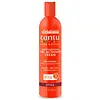 Key Ingredients
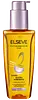
No key ingredients
Benefits
Concerns
Ingredients Side-by-side
Water
Skin ConditioningGlycerin
Humectant


Propanediol
Solvent
Cetearyl Alcohol
Emollient






Butyrospermum Parkii Butter
Skin Conditioning
Parfum
Masking


Stearyl Alcohol
Emollient
Cetyl Alcohol
Emollient
Polyquaternium-10
Cocos Nucifera Oil
Masking
Biotin
AntiseborrhoeicFolic Acid
Skin ConditioningNiacin
SmoothingPantothenic Acid
Skin ConditioningCyanocobalamin
Skin ConditioningPyridoxine Hcl
Skin ConditioningRiboflavin
Cosmetic ColorantThiamine Hcl
MaskingSimmondsia Chinensis Seed Oil
Emollient
Olea Europaea Fruit Oil
Masking
Argania Spinosa Kernel Oil
Emollient


Daucus Carota Sativa Seed Oil
Emollient
Macadamia Ternifolia Seed Oil
Emollient
Mangifera Indica Seed Butter
Skin Conditioning
Prunus Amygdalus Dulcis Oil
Skin Conditioning
Vitis Vinifera Seed Oil
Emollient
Aloe Barbadensis Leaf Juice
Skin Conditioning
Lonicera Caprifolium Flower Extract
Perfuming
Macrocystis Pyrifera Extract
Skin Conditioning
Salvia Officinalis Leaf Extract
CleansingUrtica Dioica Leaf Extract
Skin ConditioningHydrolyzed Silk
Humectant
Persea Gratissima Oil
Skin Conditioning
Behentrimonium Methosulfate
SurfactantPhenoxyethanol
Preservative
Polysorbate 60
Emulsifying
Polyquaternium-11
Benzyl Benzoate
Antimicrobial
Polyquaternium-39
Cetrimonium Chloride
Antimicrobial
Ethylhexylglycerin
Skin ConditioningCoumarin
Perfuming
Silk Amino Acids
HumectantHexyl Cinnamal
Perfuming
Leuconostoc/Radish Root Ferment Filtrate
Antimicrobial
Benzyl Salicylate
Perfuming
Benzyl Alcohol
Perfuming
Potassium Sorbate
Preservative
Sodium Benzoate
Masking
Citric Acid
Buffering

Sodium Sulfite
Preservative
Water, Glycerin, Propanediol, Cetearyl Alcohol, Butyrospermum Parkii Butter, Parfum, Stearyl Alcohol, Cetyl Alcohol, Polyquaternium-10, Cocos Nucifera Oil, Biotin, Folic Acid, Niacin, Pantothenic Acid, Cyanocobalamin, Pyridoxine Hcl, Riboflavin, Thiamine Hcl, Simmondsia Chinensis Seed Oil, Olea Europaea Fruit Oil, Argania Spinosa Kernel Oil, Daucus Carota Sativa Seed Oil, Macadamia Ternifolia Seed Oil, Mangifera Indica Seed Butter, Prunus Amygdalus Dulcis Oil, Vitis Vinifera Seed Oil, Aloe Barbadensis Leaf Juice, Lonicera Caprifolium Flower Extract, Macrocystis Pyrifera Extract, Salvia Officinalis Leaf Extract, Urtica Dioica Leaf Extract, Hydrolyzed Silk, Persea Gratissima Oil, Behentrimonium Methosulfate, Phenoxyethanol, Polysorbate 60, Polyquaternium-11, Benzyl Benzoate, Polyquaternium-39, Cetrimonium Chloride, Ethylhexylglycerin, Coumarin, Silk Amino Acids, Hexyl Cinnamal, Leuconostoc/Radish Root Ferment Filtrate, Benzyl Salicylate, Benzyl Alcohol, Potassium Sorbate, Sodium Benzoate, Citric Acid, Sodium Sulfite
Cyclopentasiloxane
Emollient
Dimethiconol
Emollient
Chamomilla Recutita Extract
Skin Conditioning
Cocos Nucifera Oil
Masking
Helianthus Annuus Seed Oil
Emollient
Nelumbium Speciosum Flower Extract
Skin ConditioningBenzyl Alcohol
Perfuming
Cinnamal
Perfuming
Linalool
Perfuming
Linum Usitatissimum Flower Extract
Skin ConditioningCaprylic/Capric Triglyceride
Masking
Gardenia Taitensis Flower Extract
Skin ConditioningRosa Canina Flower Extract
AstringentBisabolol
Antioxidant
Glycine Soja Oil
Emollient
Parfum
Masking
Cyclopentasiloxane, Dimethiconol, Chamomilla Recutita Extract, Cocos Nucifera Oil, Helianthus Annuus Seed Oil, Nelumbium Speciosum Flower Extract, Benzyl Alcohol, Cinnamal, Linalool, Linum Usitatissimum Flower Extract, Caprylic/Capric Triglyceride, Gardenia Taitensis Flower Extract, Rosa Canina Flower Extract, Bisabolol, Glycine Soja Oil, Parfum
Reviews
Ingredients Explained
These ingredients are found in both products.
Ingredients higher up in an ingredient list are typically present in a larger amount.
Benzyl Alcohol is an aromatic alcohol with several roles: it's a preservative, solvent, and mild fragrance component with a floral scent.
This ingredient has been deemed safe for use in cosmetic formulations at concentrations up to 5%, and up to 10% in hair dyes. You'll typically see 0.5-2% in most rinse-off or leave-on products.
As a preservative, it works by disrupting the membrane of microbial proteins. This helps keep bacteria and fungi from growing in your products.
The sensitization picture is actually quite assuring as well:of nearly 71,000 patients patch tested with benzyl alcohol, only 0.21% showed a positive reaction with most of them being weakly positive.
This led researchers to conclude that benzyl alcohol cannot be regarded as a significant contact allergen.
It is worth noting this ingredient is classified as one of the EU's regulated fragrance allergens and restricted to 1% in finished products.
Labels must also declare it in concentrations above 0.001% in leave-on products and 0.01% in rinse-off products.
At concentrations around 5%, localized redness and itching can appear as a direct irritant response and not as a true allergic reaction.
Learn more about Benzyl AlcoholThis ingredient is also known as coconut oil. It is a plant-derived ingredient with skin conditioning properties.
The fatty acid profile of coconut oil is mostly lauric acid (~54%), followed by capric, caprylic, palmitic, and myristic acids. This profile allows it to penetrate easily into skin, moisturize, and improve dry skin.
A double-blind study confirmed that extra virgin coconut oil is as effective as mineral oil for treating very dry skin. Another study found it outperformed mineral oil for mild to moderate atopic dermatitis in children.
Another study from 2018 found that virgin coconut oil can soothe inflammation and boost key skin barrier proteins. Just know this evidence is still only from lab settings and not human trials.
It has also been shown to reduce Staphylococcus aureus, a bacteria that commonly overgrows in people with eczema.
Clinical testing shows very minimal skin irritation and no evidence of sensitization or phototoxicity.
Coconut oil gets flagged as a "fragrance" because it has a natural mild scent (not because it's a synthetic perfume). The European Cosmetic ingredient database also lists "perfuming" as a function of this ingredient.
Just so you know, the term "fragrance" is completely unregulated. Some brands still use botanical extracts or essential oils in their "fragrance-free" formulas, but regulatory databases technically classify these under "fragrance".
Coconut oil has a tiny and useless bit of natural SPF. Early lab studies clocked it around SPF 7-8 but a more recent study found the real number closer to SPF 1.2. It also offers no meaningful UVA protection (SPF only overs UVB rays).
The comedogenic rating of 4/5 means it has a high potential to clog pores; but it's worth noting that comedogenicity is highly individual and ratings cannot predict how an overall formula will behave on skin.
Since lauric acid is the dominant fatty acid, this ingredient may not be fungal acne safe. The Malassezia yeast feeds on fatty acids with carbon chain lengths between 11-24, and lauric acid falls within these lengths (C12).
Learn more about Cocos Nucifera OilParfum is a catch-all term for an ingredient or more that is used to give a scent to products.
Also called "fragrance", this ingredient can be a blend of hundreds of chemicals or plant oils. This means every product with "fragrance" or "parfum" in the ingredients list is a different mixture.
For instance, Habanolide is a proprietary trade name for a specific aroma chemical. When used as a fragrance ingredient in cosmetics, most aroma chemicals fall under the broad labeling category of “FRAGRANCE” or “PARFUM” according to EU and US regulations.
The term 'parfum' or 'fragrance' is not regulated in many countries. In many cases, it is up to the brand to define this term.
For instance, many brands choose to label themselves as "fragrance-free" because they are not using synthetic fragrances. However, their products may still contain ingredients such as essential oils that are considered a fragrance by INCI standards.
One example is Calendula flower extract. Calendula is an essential oil that still imparts a scent or 'fragrance'.
Depending on the blend, the ingredients in the mixture can cause allergies and sensitivities on the skin. Some ingredients that are known EU allergens include linalool and citronellol.
Parfum can also be used to mask or cover an unpleasant scent.
The bottom line is: not all fragrances/parfum/ingredients are created equally. If you are worried about fragrances, we recommend taking a closer look at an ingredient. And of course, we always recommend speaking with a professional.
Learn more about Parfum

