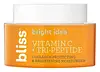
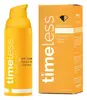
Bliss Bright Idea Vitamin C + Tri-Peptide Collagen Protecting & Brightening Moisturizer Versus Timeless Skin Care 20% Vitamin C + E Ferulic Acid Serum
This brightening moisturizer is formulated around 3-O-Ethyl Ascorbic Acid and Palmitoyl Tripeptide-5 to brighten dull-looking skin and soften the look of wrinkles.
This brightening serum is formulated around Ascorbic Acid and Tocopherol to brighten dull-looking skin and soften the look of wrinkles.

What's inside
What's inside
 Key Ingredients
Benefits
Concerns
Ingredients Side-by-side
Water
Skin ConditioningGlycerin
Humectant


Caprylic/Capric Triglyceride
Masking
Propanediol
Solvent
Cetearyl Alcohol
Emollient





3-O-Ethyl Ascorbic Acid
Skin Conditioning




Coco-Caprylate/Caprate
Emollient
Hydrogenated Farnesene
EmollientGlyceryl Stearate
Emollient
Butyrospermum Parkii Butter
Skin Conditioning
Limnanthes Alba Seed Oil
Skin Conditioning
Palmitoyl Tripeptide-5
Skin Conditioning

Glycyrrhiza Glabra Root Extract
Bleaching

Saccharide Isomerate
Humectant
Ceramide Ng
Skin Conditioning
Tocopherol
Antioxidant

Niacinamide
Smoothing


Mangifera Indica Fruit Extract
Skin ConditioningEuterpe Oleracea Fruit Extract
Camellia Sinensis Leaf Extract
Antimicrobial
Pseudozyma Epicola/Camellia Japonica Seed Oil Ferment Extract Filtrate
Emulsion Stabilising
Aloe Barbadensis Leaf Juice
Skin Conditioning
Persea Gratissima Oil
Skin Conditioning
Glycine Soja Oil
Emollient
Simmondsia Chinensis Seed Oil
Emollient
Argania Spinosa Kernel Oil
Emollient
Xanthan Gum
EmulsifyingAcacia Senegal Gum
MaskingHydroxyacetophenone
Antioxidant
Cetearyl Olivate
Caprylyl Glycol
Emollient
Polyacrylate Crosspolymer-6
Emulsion StabilisingHydroxyethyl Acrylate/Sodium Acryloyldimethyl Taurate Copolymer
Emulsion StabilisingPolyglyceryl-4 Laurate/Succinate
PEG-100 Stearate
Surfactant
Sorbitan Olivate
Emulsifying
Cetearyl Glucoside
Emulsifying
Hexylene Glycol
EmulsifyingEthoxydiglycol
HumectantSodium Citrate
BufferingTetrasodium Glutamate Diacetate
ChelatingSodium Metabisulfite
Antioxidant
Phenoxyethanol
Preservative
Ethylhexylglycerin
Skin ConditioningPotassium Sorbate
Preservative
Sodium Benzoate
Masking
Citric Acid
Buffering
Parfum
Masking


Limonene
Perfuming
Water, Glycerin, Caprylic/Capric Triglyceride, Propanediol, Cetearyl Alcohol, 3-O-Ethyl Ascorbic Acid, Coco-Caprylate/Caprate, Hydrogenated Farnesene, Glyceryl Stearate, Butyrospermum Parkii Butter, Limnanthes Alba Seed Oil, Palmitoyl Tripeptide-5, Glycyrrhiza Glabra Root Extract, Saccharide Isomerate, Ceramide Ng, Tocopherol, Niacinamide, Mangifera Indica Fruit Extract, Euterpe Oleracea Fruit Extract, Camellia Sinensis Leaf Extract, Pseudozyma Epicola/Camellia Japonica Seed Oil Ferment Extract Filtrate, Aloe Barbadensis Leaf Juice, Persea Gratissima Oil, Glycine Soja Oil, Simmondsia Chinensis Seed Oil, Argania Spinosa Kernel Oil, Xanthan Gum, Acacia Senegal Gum, Hydroxyacetophenone, Cetearyl Olivate, Caprylyl Glycol, Polyacrylate Crosspolymer-6, Hydroxyethyl Acrylate/Sodium Acryloyldimethyl Taurate Copolymer, Polyglyceryl-4 Laurate/Succinate, PEG-100 Stearate, Sorbitan Olivate, Cetearyl Glucoside, Hexylene Glycol, Ethoxydiglycol, Sodium Citrate, Tetrasodium Glutamate Diacetate, Sodium Metabisulfite, Phenoxyethanol, Ethylhexylglycerin, Potassium Sorbate, Sodium Benzoate, Citric Acid, Parfum, Limonene


Reviews
Ingredients Explained
These ingredients are found in both products.
Ingredients higher up in an ingredient list are typically present in a larger amount.
Ethoxydiglycol (aka Diethylene Glycol Monoethyl Ether) is one of the cosmetic world's quiet problem solvers.
In a formula, it is a solvent that dissolves tricky ingredients that don't want to mix in and helps spread ingredients evenly across your skin without leaving a greasy or sticky feeling
This makes it great for hard-to-dissolve actives like vitamin C, benzoyl peroxide, and self-tanner DHA.
It also has mild humectant and penetration enhancer abilities so it can help some actives absorb a little deeper.
The penetration boost is backed by lab research: studies using human skin samples found it improved how well an active dissolves into the upper layer of skin rather than tearing down your skin barrier. Reviews of its mechanism also describe it interacting gently with the lipids and water in your outermost layer of skin.
Just know this penetration-enhancing effect is not universal. It helps a lot in some formulas and did very little in others (so the benefit really depends on the specific product).
Safety-wise, the evidence is reassuring. The Cosmetic Ingredient Review Expert Panel reviewed it and concluded it's safe for use in cosmetics and recognized it as non-irritating, non-sensitizing, and non-comedogenic in skincare.
Typical leave-on skincare usage lands around 1-10%. The EU has sets caps of 2.6% in non-spray products, 10% in rinse-offs, 7% in oxidative hair dye, and 5% in non-oxidative hair dye.
Learn more about EthoxydiglycolTocopherol is a fat-soluble antioxidant known as Vitamin E.
You'll find this ingredient in the vast majority of skincare (for good reason). It works to neutralize free radicals, or unstable molecules generated by UV exposure, pollution, and other environmental stressors, before they can cause oxidative damage to your skin cells.
Topically applied tocopherol has been shown to protect against UV damage by ramping up the skin's own natural defense enzymes.
It also acts as a skin conditioning agent; some studies show that regular topical use can improve the skin's water-binding capacity over 2-4 weeks.
This ingredient is especially loved for being a team player. When combined with Vitamin C, the photoprotective effect of both ingredients roughly doubles and the combo also helps reduce UV-induced DNA damage.
This ingredient has some brightening potential but it's more of a prevention ingredient than spot-fader. Cell studies show it can slow down melanin production but it's worth noting that it's not the most powerful brightener out there.
In formulations, it also serves as a stabilizer that helps protect other oxidation-prone ingredients from degrading.
Concentrations usually range from 0.1-1% in most leave-on products.
Learn more about TocopherolWater. It's the most common cosmetic ingredient of all. You'll usually see it at the top of ingredient lists, meaning that it makes up the largest part of the product.
So why is it so popular? Water most often acts as a solvent - this means that it helps dissolve other ingredients into the formulation.
You'll also recognize water as that liquid we all need to stay alive. If you see this, drink a glass of water. Remember to stay hydrated!
Learn more about Water

