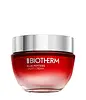
This anti-aging moisturizer is formulated around Palmitoyl Tetrapeptide-7 and Palmitoyl Tripeptide-1 to soften the look of wrinkles.
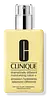
This barrier-repair moisturizer is formulated around Petrolatum and Urea to strengthen the skin barrier and hydrate skin.


What's inside
What's inside
 Key Ingredients
Benefits
Concerns
Ingredients Side-by-side
Water
Skin ConditioningGlycerin
Humectant


Dicaprylyl Carbonate
EmollientAlcohol Denat.
Antimicrobial




Simmondsia Chinensis Seed Oil
Emollient

Cocos Nucifera Oil
Masking



Persea Gratissima Oil
Skin Conditioning
Mangifera Indica Seed Butter
Skin Conditioning
Hydrogenated Coco-Glycerides
Emollient
Pentylene Glycol
Skin Conditioning
Cetearyl Alcohol
Emollient
Arachidyl Alcohol
Emollient
Copernicia Cerifera Cera
Emollient
Gardenia Taitensis Flower
Skin ConditioningPrunus Armeniaca Kernel Oil
Masking
Alaria Esculenta Extract
Skin Protecting
Carrageenan
Tin Oxide
Abrasive
Stearic Acid
Cleansing
Ceramide NP
Skin Conditioning



Squalane
Emollient
Carbomer
Emulsion StabilisingArachidyl Glucoside
EmulsifyingCalcium Chloride
AstringentBehenyl Alcohol
Emollient
Ceteareth-20
Cleansing
Cetearyl Glucoside
Emulsifying
Sodium Hyaluronate
Humectant
Sodium Hydroxide
BufferingSodium Lactate
Buffering
Sodium Stearate
CleansingSodium Stearoyl Glutamate
CleansingSilica
Abrasive

Myristic Acid
Cleansing
2-Oleamido-1,3-Octadecanediol
Skin ConditioningPalmitic Acid
Emollient
Palmitoyl Tetrapeptide-7
Skin Conditioning

Palmitoyl Tripeptide-1
Skin Conditioning
Adenosine
Skin Conditioning
Phenylethyl Resorcinol
Antioxidant


Ammonium Acryloyldimethyltaurate/Steareth-25 Methacrylate Crosspolymer
Emulsion StabilisingHydroxypalmitoyl Sphinganine
Skin Conditioning
Caprylic/Capric Triglyceride
Masking
Caprylyl Glycol
Emollient
Vitreoscilla Ferment
Skin Conditioning
Acetyl Dipeptide-1 Cetyl Ester
Skin Conditioning
Synthetic Fluorphlogopite
Polysorbate 20
Emulsifying
Butylene Glycol
Humectant
Tocopherol
Antioxidant
Tocopheryl Acetate
Antioxidant
Pentaerythrityl Tetra-Di-T-Butyl Hydroxyhydrocinnamate
Antioxidant
Salicylic Acid
Masking


Mica
Cosmetic ColorantCI 77163
Cosmetic Colorant
CI 77491
Cosmetic ColorantCI 77891
Cosmetic ColorantParfum
Masking
Water, Glycerin, Dicaprylyl Carbonate, Alcohol Denat., Simmondsia Chinensis Seed Oil, Cocos Nucifera Oil, Persea Gratissima Oil, Mangifera Indica Seed Butter, Hydrogenated Coco-Glycerides, Pentylene Glycol, Cetearyl Alcohol, Arachidyl Alcohol, Copernicia Cerifera Cera, Gardenia Taitensis Flower, Prunus Armeniaca Kernel Oil, Alaria Esculenta Extract, Carrageenan, Tin Oxide, Stearic Acid, Ceramide NP, Squalane, Carbomer, Arachidyl Glucoside, Calcium Chloride, Behenyl Alcohol, Ceteareth-20, Cetearyl Glucoside, Sodium Hyaluronate, Sodium Hydroxide, Sodium Lactate, Sodium Stearate, Sodium Stearoyl Glutamate, Silica, Myristic Acid, 2-Oleamido-1,3-Octadecanediol, Palmitic Acid, Palmitoyl Tetrapeptide-7, Palmitoyl Tripeptide-1, Adenosine, Phenylethyl Resorcinol, Ammonium Acryloyldimethyltaurate/Steareth-25 Methacrylate Crosspolymer, Hydroxypalmitoyl Sphinganine, Caprylic/Capric Triglyceride, Caprylyl Glycol, Vitreoscilla Ferment, Acetyl Dipeptide-1 Cetyl Ester, Synthetic Fluorphlogopite, Polysorbate 20, Butylene Glycol, Tocopherol, Tocopheryl Acetate, Pentaerythrityl Tetra-Di-T-Butyl Hydroxyhydrocinnamate, Salicylic Acid, Mica, CI 77163, CI 77491, CI 77891, Parfum
Water
Skin ConditioningParaffinum Liquidum
Emollient
Glycerin
Humectant
Petrolatum
Emollient
Stearic Acid
Cleansing
Glyceryl Stearate
Emollient
Sesamum Indicum Seed Oil
Emollient
Urea
Buffering
Lanolin Alcohol
Emollient
Triethanolamine
BufferingHordeum Vulgare Extract
EmollientCucumis Sativus Fruit Extract
Emollient
Helianthus Annuus Seedcake
Abrasive
Propylene Glycol Dicaprate
EmollientSodium Hyaluronate
Humectant
Butylene Glycol
Humectant
Pentylene Glycol
Skin Conditioning
Trisodium EDTA
ChelatingPhenoxyethanol
Preservative
CI 15985
Cosmetic ColorantCI 19140
Cosmetic ColorantCI 17200
Cosmetic ColorantWater, Paraffinum Liquidum, Glycerin, Petrolatum, Stearic Acid, Glyceryl Stearate, Sesamum Indicum Seed Oil, Urea, Lanolin Alcohol, Triethanolamine, Hordeum Vulgare Extract, Cucumis Sativus Fruit Extract, Helianthus Annuus Seedcake, Propylene Glycol Dicaprate, Sodium Hyaluronate, Butylene Glycol, Pentylene Glycol, Trisodium EDTA, Phenoxyethanol, CI 15985, CI 19140, CI 17200
Reviews
Ingredients Explained
These ingredients are found in both products.
Ingredients higher up in an ingredient list are typically present in a larger amount.
Butylene Glycol (or BG) is used within cosmetic products for a few different reasons:
Overall, Butylene Glycol is a safe and well-rounded ingredient that works well with other ingredients.
Though this ingredient works well with most skin types, some people with sensitive skin may experience a reaction such as allergic rashes, closed comedones, or itchiness.
Learn more about Butylene GlycolGlycerin (or glycerol) is a compound naturally found in your skin. It's a powerhouse humectant that pulls water into the stratum corneum.
Topically, glycerin does several things at once:
Your skin makes glycerin on its own (mostly from sebaceous oil breakdown) and shuttles it to your outermost layer of skin, or your epidermis, via aquaporin-3.
Aquaporin-3 is a transporter that is essential for normal skin hydration, elasticity, and repair. Interestingly, mice lacking in AQP3 have dry and less elastic skin that can be fully corrected with glycerin.
This ingredient is non-irritating, plays well with almost every ingredient, and works across all skin types. Typical use is anywhere between 3-10% but can go up to 79% in some leave-on products.
Just know very high concentrations (>40%) can feel tacky in low humidity.
Glycerin is the name for this ingredient in American English. British English uses Glycerol/Glycerine.
Learn more about GlycerinPentylene Glycol (1,2-pentanediol) is a multitasking little diol with three main roles in a formula:
Research on alkanediols (the family pentylene glycol belongs to) show they work by disrupting microbial cell membranes. This disruption helps the primary preservative system in a product work more effectively at lower doses.
On the safety side, the Cosmetic Ingredient Review Expert Panel has concluded this ingredient to be safe as used in current cosmetic practices + concentrations.
Typical use levels in a formula run about 1-5%.
Learn more about Pentylene GlycolSodium Hyaluronate is the salt form of hyaluronic acid. It is a long sugar chain that is naturally found in your skin, joints, and connective tissue that maintains hydration and elasticity.
In skincare, it works as a humectant. It pulls water from the environment and deeper layers of skin and binds it to the surface.
Interestingly, the size of the molecule affects its behavior:
Some clinical evidence links low molecular weight versions to improved wrinkle depth, elasticity, anti-inflammatory effects, and barrier repair.
Many serums use a blend of both weights so you can get surface hydration plus longer-lasting and deeper effects.
You'll typically see concentrations between 0.1-2% for this ingredient.
Learn more about Sodium HyaluronateStearic Acid is a fatty acid that is already found in your skin. It's one of the free fatty acids that works alongside ceramides and cholesterols to maintain your barrier.
In cosmetics, it is a multitasker:
Safety-wise, the CIR Expert Panel has concluded it to be safe in cosmetics when formulated to be non-irritating and non-sensitizing.
Free stearic acid is a C18 fatty acid that the Malassezia yeast can substrate, so this ingredient may not be fungal acne safe.
This ingredient does have a comedogenic rating of 2-3, but this doesn't mean a formula with this ingredient will clog pores.
Human testing has proved that any finished product with this ingredient won't automatically make you break out; it really comes down to concentration, formula, and your skin.
Learn more about Stearic AcidWater. It's the most common cosmetic ingredient of all. You'll usually see it at the top of ingredient lists, meaning that it makes up the largest part of the product.
So why is it so popular? Water most often acts as a solvent - this means that it helps dissolve other ingredients into the formulation.
You'll also recognize water as that liquid we all need to stay alive. If you see this, drink a glass of water. Remember to stay hydrated!
Learn more about Water


