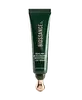
This brightening eye moisturizer is formulated around Niacinamide and Tetrahexyldecyl Ascorbate to brighten dull-looking skin and soften the look of wrinkles.
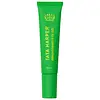
This eye moisturizer is formulated around Caffeine to calm irritation and soften signs of aging.

What's inside
What's inside
 Key Ingredients
Benefits
Concerns
Ingredients Side-by-side
Water
Skin ConditioningNiacinamide
Smoothing











Squalane
Emollient
Glycerin
Humectant
Cetyl Ethylhexanoate
EmollientSodium Acrylates Copolymer
Phenoxyethanol
Preservative
Caffeine
Skin Conditioning
Tetrahexyldecyl Ascorbate
Antioxidant

Lecithin
Emollient
Synthetic Fluorphlogopite
Polyglyceryl-3 Laurate
EmulsifyingPullulan
Ethylhexylglycerin
Skin ConditioningHippophae Rhamnoides Fruit Oil
Skin Protecting


Sodium Gluconate
ChelatingMethyl Glucose Sesquistearate
Emollient
Caprylyl Glycol
Emollient
Tin Oxide
Abrasive
Acetyl Hexapeptide-8
Humectant
Acetyl Tetrapeptide-5
Humectant
CI 77891
Cosmetic ColorantWater, Niacinamide, Squalane, Glycerin, Cetyl Ethylhexanoate, Sodium Acrylates Copolymer, Phenoxyethanol, Caffeine, Tetrahexyldecyl Ascorbate, Lecithin, Synthetic Fluorphlogopite, Polyglyceryl-3 Laurate, Pullulan, Ethylhexylglycerin, Hippophae Rhamnoides Fruit Oil, Sodium Gluconate, Methyl Glucose Sesquistearate, Caprylyl Glycol, Tin Oxide, Acetyl Hexapeptide-8, Acetyl Tetrapeptide-5, CI 77891
Hordeum Vulgare Leaf Juice
EmollientPropanediol
Solvent
Glycerin
Humectant
Water
Skin ConditioningCarthamus Tinctorius Seed Oil
Masking
C10-18 Triglycerides
Emollient
Mica
Cosmetic ColorantCI 77891
Cosmetic ColorantC9-12 Alkane
SolventGlyceryl Stearate Citrate
Emollient
Lauryl Laurate
Skin Conditioning
Squalane
Emollient
Caffeine
Skin Conditioning
Terminalia Arjuna Extract
Skin ConditioningOleic Acid
Emollient


Olea Europaea Fruit Oil
Masking
Avena Sativa Kernel Oil
Skin Conditioning
Camellia Sinensis Seed Oil
Humectant
Cucumis Sativus Seed Oil
Emollient
Saccharide Isomerate
Humectant
Vitis Vinifera Leaf Extract
Skin ConditioningCoffea Arabica Seed Extract
Masking
Aesculus Hippocastanum Seed Extract
Skin ConditioningTerminalia Ferdinandiana Fruit Extract
Antioxidant
Persea Gratissima Fruit Extract
EmollientGinkgo Biloba Leaf Extract
Skin Conditioning
Hydrolyzed Rhodophyceae Extract
Sodium Hyaluronate
Humectant
Lysolecithin
EmulsifyingSclerotium Gum
Emulsion StabilisingCaprylyl Glycol
Emollient
Xanthan Gum
EmulsifyingArnica Montana Extract
Skin ConditioningBorago Officinalis Leaf Extract
Skin ConditioningCalendula Officinalis Flower Extract
Masking
Medicago Sativa Extract
TonicSpiraea Ulmaria Extract
AstringentPolyglyceryl-6 Stearate
Emollient
Pullulan
Glyceryl Caprylate
EmollientMagnolia Officinalis Bark Extract
Antimicrobial
Cymbopogon Flexuosus Oil
Masking
Sodium Phytate
ChelatingCI 77491
Cosmetic ColorantLecithin
Emollient
Helianthus Annuus Seed Oil
Emollient
Pelargonium Graveolens Oil
Masking

Rosmarinus Officinalis Leaf Extract
AntimicrobialCitric Acid
Buffering
Sodium Citrate
BufferingSambucus Nigra Fruit Extract
AstringentBiosaccharide Gum-1
Humectant
Sodium Levulinate
Skin ConditioningAlcohol
Antimicrobial

Sodium Anisate
AntimicrobialCitral
Perfuming
Geraniol
Perfuming
Citronellol
Perfuming
Geranyl Acetate
Perfuming
Beta-Caryophyllene
Masking
Linalool
Perfuming
Limonene
Perfuming
Hordeum Vulgare Leaf Juice, Propanediol, Glycerin, Water, Carthamus Tinctorius Seed Oil, C10-18 Triglycerides, Mica, CI 77891, C9-12 Alkane, Glyceryl Stearate Citrate, Lauryl Laurate, Squalane, Caffeine, Terminalia Arjuna Extract, Oleic Acid, Olea Europaea Fruit Oil, Avena Sativa Kernel Oil, Camellia Sinensis Seed Oil, Cucumis Sativus Seed Oil, Saccharide Isomerate, Vitis Vinifera Leaf Extract, Coffea Arabica Seed Extract, Aesculus Hippocastanum Seed Extract, Terminalia Ferdinandiana Fruit Extract, Persea Gratissima Fruit Extract, Ginkgo Biloba Leaf Extract, Hydrolyzed Rhodophyceae Extract, Sodium Hyaluronate, Lysolecithin, Sclerotium Gum, Caprylyl Glycol, Xanthan Gum, Arnica Montana Extract, Borago Officinalis Leaf Extract, Calendula Officinalis Flower Extract, Medicago Sativa Extract, Spiraea Ulmaria Extract, Polyglyceryl-6 Stearate, Pullulan, Glyceryl Caprylate, Magnolia Officinalis Bark Extract, Cymbopogon Flexuosus Oil, Sodium Phytate, CI 77491, Lecithin, Helianthus Annuus Seed Oil, Pelargonium Graveolens Oil, Rosmarinus Officinalis Leaf Extract, Citric Acid, Sodium Citrate, Sambucus Nigra Fruit Extract, Biosaccharide Gum-1, Sodium Levulinate, Alcohol, Sodium Anisate, Citral, Geraniol, Citronellol, Geranyl Acetate, Beta-Caryophyllene, Linalool, Limonene
Reviews
Alternatives
Ingredients Explained
These ingredients are found in both products.
Ingredients higher up in an ingredient list are typically present in a larger amount.
Caffeine is a naturally occurring plant compound found in coffee beans, tea leaves, cocoa pods, and guarana.
As an antioxidant, caffeine protects your skin from free radical damage caused by UV exposure and envionrmnetal stressors.
Early research also shows that caffeine can help calm redness, soothe irritated skin, and support hair growth by stimulating microcirculation in the scalp.
You might have seen eye creams marketing caffeine as a depuffing ingredient. This is because it is a vasoconstrictor meaning it can temporarily constrict blood vessels, though clinical evidence for this specific use is still limited.
Most skincare products contain this ingredient at concentrations between 1-6%. It is able to penetrate skin easily regardless of skin type or thickness.
Just so you know, a very small number of case reports describe caffeine-induced allergy. This ingredient is generally well-tolerated, non-irritating, and non-sensitizing for the majority of people.
Learn more about CaffeineCaprylyl Glycol is a humectant, skin conditioner, emollient, and preservative booster derived from either caprylic acid or synthetically created.
Typical use levels vary from 0.3-1% as a preservative booster and go up to 2% to condition skin.
Because it is not a free-fatty acid, this ingredient is fungal acne safe (there's nothing for Malassezia to feed on).
Learn more about Caprylyl GlycolCi 77891 is a white pigment from Titanium dioxide. It is naturally found in minerals such as rutile and ilmenite.
It's main function is to add a white color to cosmetics. It can also be mixed with other colors to create different shades.
Ci 77891 is commonly found in sunscreens due to its ability to block UV rays.
Learn more about CI 77891Glycerin (or glycerol) is a compound naturally found in your skin. It's a powerhouse humectant that pulls water into the stratum corneum.
Topically, glycerin does several things at once:
Your skin makes glycerin on its own (mostly from sebaceous oil breakdown) and shuttles it to your outermost layer of skin, or your epidermis, via aquaporin-3.
Aquaporin-3 is a transporter that is essential for normal skin hydration, elasticity, and repair. Interestingly, mice lacking in AQP3 have dry and less elastic skin that can be fully corrected with glycerin.
This ingredient is non-irritating, plays well with almost every ingredient, and works across all skin types. Typical use is anywhere between 3-10% but can go up to 79% in some leave-on products.
Just know very high concentrations (>40%) can feel tacky in low humidity.
Glycerin is the name for this ingredient in American English. British English uses Glycerol/Glycerine.
Learn more about GlycerinLecithin is a term for a group of substances found in the cell membranes of plants, animals, and humans. They are made up of phospholipids.
Thanks to its amphiphilic structure (water-loving head and oil-loving tail), it is a true multitasker:
It plays well with most ingredients and is typically used at 0.1-1%. However, concentrations up to 50% have been reported in moisturizers.
Learn more about LecithinPullulan is a low viscosity polysaccharide (a long chain carbohydrate) with binding and film forming properties when dissolved in water. It is used to create a "silicone-like" or silky feel in cosmetics without adding viscosity.
According to a manufacturer, this ingredient's ability to easily dissolves makes it a great carrier for active ingredients.
Due to it being edible and tasteless, you'll likely find this ingredient in breath freshener strips. This ingredient is produced from the starch of the fungus, Aureobasidium pullulans.
Pullulan is stable over a broad-range of pH.
Learn more about PullulanSqualane is the hydrogenated and shelf-stable form of squalene (a lipid that naturally occurs in human sebum).
It is an emollient and skin conditioning agent that is able to integrate seamlessly into the skin's lipid barrier without clogging pores.
This is due to how structurally similar it is to what your skin already produces.
Though it is mostly an emollient that helps soften and hydrate skin, it also has some humectant and occlusive action. Humectants help the skin retain moisture while occlusives seal it in, making squalane a triple-threat moisturizer.
Research shows it has antioxidant capabilities that help protect against stressors like UV exposure, specifically UVA induced oxidative stress. This study also found that it supports collagen biosynthesis in human dermal fibroblasts.
No clinical study has reported significant adverse effects and irritation reactions are very rare from this ingredient (even at 100% concentration).
Overall, it's a fantastic ingredient for hydration and is suitable for all skin types.
This depends on the source. Squalane can be derived from both plants and animals. Most squalane used in skincare comes from plants.
Please note: the source of squalane is only known if disclosed by the brand. We recommend reaching out to the brand if you have any questions about their squalane.
Read more about squalene with an "e".
Though squalane is often called an oil, it’s technically not one. It is a hydrocarbon, meaning it is only made of carbon and hydrogen. True oils are triglycerides and made of fatty acids and glycerol.
The term “oil-free” isn’t regulated so companies can define it however they want. Some exclude all oils, while others just avoid mineral oil or comedogenic oils.
Squalane has a comedogenic rating of 1 from the original 1972 study that tested raw ingredients under occlusion on rabbit ears. This system is not standardized or peer-reviewed, and using the raw ingredients is very different from how diluted cosmetic formulations are used on human skin.
A comedogenic rating of 1 means it is "unlikely to clog pores" according to the original rating system.
The overall formula of a product matters more than the individual ingredients on whether or not it will cause clogged pores.
Learn more about SqualaneWater. It's the most common cosmetic ingredient of all. You'll usually see it at the top of ingredient lists, meaning that it makes up the largest part of the product.
So why is it so popular? Water most often acts as a solvent - this means that it helps dissolve other ingredients into the formulation.
You'll also recognize water as that liquid we all need to stay alive. If you see this, drink a glass of water. Remember to stay hydrated!
Learn more about Water

