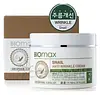
This anti-aging moisturizer is formulated around Adenosine and Niacinamide to soften the look of wrinkles.
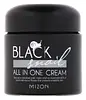
This barrier-repair moisturizer is formulated around Snail Secretion Filtrate and Niacinamide to strengthen the skin barrier and soften the look of wrinkles.

What's inside
What's inside
 Key Ingredients
Benefits
Concerns
Ingredients Side-by-side
Achillea Millefolium Extract
CleansingAdenosine
Skin Conditioning


Alcohol
Antimicrobial




Allantoin
Skin Conditioning


Arnica Montana Flower Extract
Masking
Artemisia Absinthium Extract
Skin ConditioningButylene Glycol
Humectant
Cetearyl Alcohol
Emollient




Cyclopentasiloxane
Emollient
Dimethicone
Emollient
Gentiana Lutea Root Extract
Skin ConditioningGlycerin
Humectant
Glyceryl Stearate
Emollient
Pentaerythrityl Tetraethylhexanoate
Emollient
Niacinamide
Smoothing






Polysorbate 60
Emulsifying
PEG-100 Stearate
Surfactant
Palmitic Acid
Emollient
Stearic Acid
Cleansing
Sodium Polyacrylate
Absorbent
Sorbitan Stearate
Emulsifying
Sodium Acrylate/Sodium Acryloyldimethyl Taurate Copolymer
Emulsion StabilisingTuna Extract
Skin ConditioningDisodium EDTA
Propylparaben
Preservative


Potassium Sorbate
Preservative
CI 15985
Cosmetic ColorantCI 19140
Cosmetic ColorantParfum
Masking
Achillea Millefolium Extract, Adenosine, Alcohol, Allantoin, Arnica Montana Flower Extract, Artemisia Absinthium Extract, Butylene Glycol, Cetearyl Alcohol, Cyclopentasiloxane, Dimethicone, Gentiana Lutea Root Extract, Glycerin, Glyceryl Stearate, Pentaerythrityl Tetraethylhexanoate, Niacinamide, Polysorbate 60, PEG-100 Stearate, Palmitic Acid, Stearic Acid, Sodium Polyacrylate, Sorbitan Stearate, Sodium Acrylate/Sodium Acryloyldimethyl Taurate Copolymer, Tuna Extract, Disodium EDTA, Propylparaben, Potassium Sorbate, CI 15985, CI 19140, Parfum
Snail Secretion Filtrate
Skin Conditioning
Niacinamide
Smoothing
Helianthus Annuus Seed Oil
Emollient
Cetearyl Olivate
Sorbitan Olivate
Emulsifying
Butylene Glycol
Humectant
Synthetic Wax
Abrasive
Phenoxyethanol
Preservative
Water
Skin ConditioningEthylhexylglycerin
Skin ConditioningHydroxyethyl Acrylate/Sodium Acryloyldimethyl Taurate Copolymer
Emulsion StabilisingCarbomer
Emulsion StabilisingTriethanolamine
BufferingCaprylyl Glycol
Emollient
Sodium Polyacrylate
Absorbent
Adenosine
Skin Conditioning
Tropolone
Skin ConditioningCoptis Chinensis Root Extract
Antioxidant
Sorbitan Isostearate
Emulsifying
Polysorbate 60
Emulsifying
Disodium EDTA
Allantoin
Skin Conditioning
Panthenol
Skin Conditioning
Glycerin
Humectant
Theobroma Cacao Extract
Skin ConditioningDextrin
AbsorbentTocopherol
Antioxidant
1,2-Hexanediol
Skin Conditioning
Centella Asiatica Extract
Cleansing
Palmitoyl Tripeptide-5
Skin Conditioning
Beta-Glucan
Skin Conditioning
Copper Tripeptide-1
Skin Conditioning
Solanum Melongena Fruit Extract
Skin ConditioningCassia Obtusifolia Seed Extract
Skin ConditioningPorphyra Tenera Extract
Skin ConditioningFagus Sylvatica Seed Extract
Skin ConditioningDictyopteris Membranacea Extract
Antioxidant
Allium Sativum Bulb Extract
Skin ConditioningPrunus Mume Fruit Extract
Humectant
Polygonum Fagopyrum Seed Extract
Skin ConditioningRubus Coreanus Fruit Extract
Skin ConditioningMirabilis Jalapa Seed Extract
Skin ProtectingSepiolite
Charcoal Powder
Abrasive
Aronia Melanocarpa Fruit Extract
Skin ConditioningEuterpe Oleracea Fruit Extract
Sambucus Nigra Fruit Extract
AstringentMorus Alba Fruit Extract
Antioxidant
Rhus Semialata Gall Extract
Skin ConditioningCinnamomum Cassia Bark Extract
Masking
Inonotus Obliquus Extract
Skin ConditioningAnnona Cherimola Fruit Extract
Skin ConditioningCoffea Arabica Fruit Extract
Antioxidant
Vitis Vinifera Fruit Extract
Skin ConditioningCorthellus Shiitake Extract
Skin ProtectingPiper Nigrum Seed Extract
RefreshingSaccharum Officinarum Extract
MoisturisingRose Extract
Skin ConditioningSh-Oligopeptide-1
Skin Conditioning
Snail Secretion Filtrate, Niacinamide, Helianthus Annuus Seed Oil, Cetearyl Olivate, Sorbitan Olivate, Butylene Glycol, Synthetic Wax, Phenoxyethanol, Water, Ethylhexylglycerin, Hydroxyethyl Acrylate/Sodium Acryloyldimethyl Taurate Copolymer, Carbomer, Triethanolamine, Caprylyl Glycol, Sodium Polyacrylate, Adenosine, Tropolone, Coptis Chinensis Root Extract, Sorbitan Isostearate, Polysorbate 60, Disodium EDTA, Allantoin, Panthenol, Glycerin, Theobroma Cacao Extract, Dextrin, Tocopherol, 1,2-Hexanediol, Centella Asiatica Extract, Palmitoyl Tripeptide-5, Beta-Glucan, Copper Tripeptide-1, Solanum Melongena Fruit Extract, Cassia Obtusifolia Seed Extract, Porphyra Tenera Extract, Fagus Sylvatica Seed Extract, Dictyopteris Membranacea Extract, Allium Sativum Bulb Extract, Prunus Mume Fruit Extract, Polygonum Fagopyrum Seed Extract, Rubus Coreanus Fruit Extract, Mirabilis Jalapa Seed Extract, Sepiolite, Charcoal Powder, Aronia Melanocarpa Fruit Extract, Euterpe Oleracea Fruit Extract, Sambucus Nigra Fruit Extract, Morus Alba Fruit Extract, Rhus Semialata Gall Extract, Cinnamomum Cassia Bark Extract, Inonotus Obliquus Extract, Annona Cherimola Fruit Extract, Coffea Arabica Fruit Extract, Vitis Vinifera Fruit Extract, Corthellus Shiitake Extract, Piper Nigrum Seed Extract, Saccharum Officinarum Extract, Rose Extract, Sh-Oligopeptide-1
Ingredients Explained
These ingredients are found in both products.
Ingredients higher up in an ingredient list are typically present in a larger amount.
Adenosine is a purine nucleoside that your body already makes in every cell. In skincare, it acts mainly as a skin conditioning and anti-aging agent.
The way it works is fairly well mapped out:
Your skin has cells called fibroblasts that build collagen (the stuff that keeps skin firm and smooth). Adenosine basically flips a switch on these cells that tells them to get to work making more collagen and other proteins. These cells slow down on their own as skin ages, so Adenosine helps give them a little nudge to keep going.
The clinical backing is pretty solid too.
A blind, randomized, placebo-controlled trial of 126 women aged 45-65 tested a 0.1% cream twice daily and found real improvements in crow's feet and frown lines using a precise 3D skin-mapping technique; these changes showed up by week 3 and held at 2 months.
A later study using Adenosine-loaded dissolving microneedle patches reported gains in wrinkle depth, dermal density, elasticity, and hydration.
On concentrations, South Korea's Ministry of Food and Drug Safety has set 0.04% as the approved functional anti-wrinkle level. You'll typically see this ingredient used somewhere in the 0.04-0.1% range since it works at low doses.
This ingredient has been found safe for cosmetics with the data showing no irritation or sensitization.
Overall, this is a great ingredient for any anti-aging routine and has no photosensitizing effect, so it suits both AM and PM use.
Learn more about AdenosineAllantoin is a soothing ingredient known for its protective and moisturizing properties; it's basically a quiet workhorse ingredient you can find in a huge range of cosmetics.
Though it can be derived from the comfrey plant, allantoin is produced synthetically for cosmetic products to ensure purity.
Research shows it can encourage your skin cells to turn over and renew by stimulating keratinocyte and fibroblast proliferation.
It also has mild keratolytic properties to help loosen and shed dead skin cells without being harsh.
Studies also suggest allantoin can help calm inflammation by dialing down some of the chemical signals your skin sends out when it is irritated.
This ingredient is typically used in the 0.1-0.5% range, and the FDA recognizes it as a skin protectant in OTC products up to 2%.
Overall, allantoin is a wonderful addition to most routines; it is stable across a wide pH range (~4-8), works well with other ingredients, and is considered non-sensitizing/non-irritating.
Fun fact: Allantoin is naturally occurring in comfrey root, beets, chamomile, and wheat sprouts. Our bodies even produce it as a byproduct of uric acid metabolism.
Learn more about AllantoinButylene Glycol (or BG) is used within cosmetic products for a few different reasons:
Overall, Butylene Glycol is a safe and well-rounded ingredient that works well with other ingredients.
Though this ingredient works well with most skin types, some people with sensitive skin may experience a reaction such as allergic rashes, closed comedones, or itchiness.
Learn more about Butylene GlycolDisodium EDTA is a chelating agent. It grabs onto and deactivates metal ions that sneak into your products from water, packaging, or air.
This ingredient mainly works behind the scenes and helps with:
On top of that, this ingredient can counteract the effects of hard water by binding to the minerals in it.
One thing worth knowing is that Disodium EDTA has been shown to be a mild penetration enhancer. It can help other ingredients absorb into skin more effectively which can be a double-edged sword (great for actives, but can also make the active too strong if you have sensitive skin).
Clinical patch testing showed no significant skin irritation at typical use concentrations and minimal dermal absorption.
You'll most likely see this ingredient near the end of an ingredient list. It's typically found in concentrations less than 1%.
Learn more about Disodium EDTAGlycerin (or glycerol) is a compound naturally found in your skin. It's a powerhouse humectant that pulls water into the stratum corneum.
Topically, glycerin does several things at once:
Your skin makes glycerin on its own (mostly from sebaceous oil breakdown) and shuttles it to your outermost layer of skin, or your epidermis, via aquaporin-3.
Aquaporin-3 is a transporter that is essential for normal skin hydration, elasticity, and repair. Interestingly, mice lacking in AQP3 have dry and less elastic skin that can be fully corrected with glycerin.
This ingredient is non-irritating, plays well with almost every ingredient, and works across all skin types. Typical use is anywhere between 3-10% but can go up to 79% in some leave-on products.
Just know very high concentrations (>40%) can feel tacky in low humidity.
Glycerin is the name for this ingredient in American English. British English uses Glycerol/Glycerine.
Learn more about GlycerinNiacinamide is a multitasking form of vitamin B3 that strengthens the skin barrier, reduces pores and dark spots, regulates oil, and improves signs of aging.
And the best part? It's gentle and well-tolerated by most skin types, including sensitive and reactive skin.
You might have heard of "niacin flush", or the reddening of skin that causes itchiness. Niacinamide has not been found to cause this.
In very rare cases, some individuals may not be able to tolerate niacinamide at all or experience an allergic reaction to it.
If you are experiencing flaking, irritation, and dryness with this ingredient, be sure to double check all your products as this ingredient can be found in all categories of skincare.
When incorporating niacinamide into your routine, look out for concentration amounts. Typically, 5% niacinamide provides benefits such as fading dark spots. However, if you have sensitive skin, it is better to begin with a smaller concentration.
When you apply niacinamide to your skin, your body converts it into nicotinamide adenine dinucleotide (NAD). NAD is an essential coenzyme that is already found in your cells as "fuel" and powers countless biological processes.
In your skin, NAD helps repair cell damage, produce new healthy cells, support collagen production, strengthen the skin barrier, and fight environmental stressors (like UV and pollution).
Our natural NAD levels start to decline with age, leading to slower skin repair, visible aging, and a weaker skin barrier. By providing your skin niacinamide, you're recharging your skin's NAD levels. This leads to stronger, healthier, and younger looking skin.
Another name for vitamin B3 is nicotinamide. This vitamin is water-soluble and our bodies don't store it. We obtain Vitamin B3 from either food or skincare. Meat, fish, wheat, yeast, and leafy greens contain vitamin B3.
The type of niacinamide used in skincare is synthetically created.
Learn more about NiacinamidePolysorbate 60 is used to help stabilize products. It is a surfactant and emulsifier. These properties help keep ingredients together in a product. Surfactants help reduce surface tension between ingredients with different states, such as liquids and solids. Emulsifiers help prevent oils and waters from separating.
Polysorbate 60 is sorbitol-based and created from the ethoxylation of sorbitan. Ethoxylation is a chemical reaction used to add ethylene oxide. Sorbitan is a the dehydrated version of sorbitol, a sugar found in fruits.
In this case, the 60 comes from reacting 60 units of ethylene oxide with sorbitan.
Polysorbates are commonly used in medicine and foods.
Learn more about Polysorbate 60Sodium Polyacrylate is the sodium salt of polyacrylic acid. It is used as an absorber, emollient, and stabilizer.
This ingredient is a super-absorbent polymer - meaning it can absorb 100 to 1000 times its mass in water. As an emollient, Sodium Polyacrylate helps soften and soothe skin. Emollients work by creating a barrier to trap moisture in. This helps keep your skin hydrated.


