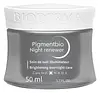
This brightening night moisturizer is formulated around Ascorbyl Glucoside and Niacinamide to fade the look of dark spots and refine skin texture.
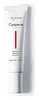
This brightening treatment is formulated around Niacinamide to fade the look of dark spots and brighten dull-looking skin.


What's inside
What's inside
 Key Ingredients
Benefits
Concerns
Ingredients Side-by-side
Water
Skin ConditioningGlycerin
Humectant


Propanediol
Solvent
Squalane
Emollient
Ascorbyl Glucoside
Antioxidant


Dipropylene Glycol
HumectantNiacinamide
Smoothing







Butylene Glycol
Humectant
Polymethylsilsesquioxane

Hdi/Trimethylol Hexyllactone Crosspolymer
Carbomer
Emulsion StabilisingSodium Hydroxide
BufferingPentylene Glycol
Skin Conditioning
Tocopheryl Acetate
Antioxidant
C14-22 Alcohols
Emulsion Stabilising
1,2-Hexanediol
Skin Conditioning
Caprylyl Glycol
Emollient
Ammonium Acryloyldimethyltaurate/Vp Copolymer
Salicylic Acid
Masking





Sodium Citrate
BufferingLysine
Skin ConditioningAzelaic Acid
Buffering
C12-20 Alkyl Glucoside
EmulsifyingDisodium Phosphate
BufferingMannitol
Humectant
Xylitol
Humectant
Andrographis Paniculata Leaf Extract
AstringentRhamnose
HumectantSodium Metabisulfite
Antioxidant
Potassium Phosphate
BufferingSaccharide Isomerate
Humectant
Biosaccharide Gum-1
Humectant
Glycyrrhiza Glabra Root Extract
Bleaching
Glyceryl Caprylate
EmollientSodium Anisate
AntimicrobialSodium Levulinate
Skin ConditioningFructooligosaccharides
Humectant
Caprylic/Capric Triglyceride
Masking
Hexapeptide-2
Bleaching
Laminaria Ochroleuca Extract
Skin Conditioning
Parfum
Masking

Water, Glycerin, Propanediol, Squalane, Ascorbyl Glucoside, Dipropylene Glycol, Niacinamide, Butylene Glycol, Polymethylsilsesquioxane, Hdi/Trimethylol Hexyllactone Crosspolymer, Carbomer, Sodium Hydroxide, Pentylene Glycol, Tocopheryl Acetate, C14-22 Alcohols, 1,2-Hexanediol, Caprylyl Glycol, Ammonium Acryloyldimethyltaurate/Vp Copolymer, Salicylic Acid, Sodium Citrate, Lysine, Azelaic Acid, C12-20 Alkyl Glucoside, Disodium Phosphate, Mannitol, Xylitol, Andrographis Paniculata Leaf Extract, Rhamnose, Sodium Metabisulfite, Potassium Phosphate, Saccharide Isomerate, Biosaccharide Gum-1, Glycyrrhiza Glabra Root Extract, Glyceryl Caprylate, Sodium Anisate, Sodium Levulinate, Fructooligosaccharides, Caprylic/Capric Triglyceride, Hexapeptide-2, Laminaria Ochroleuca Extract, Parfum
Water
Skin ConditioningParaffinum Liquidum
Emollient

Cysteamine Hcl
Antioxidant
Niacinamide
Smoothing
Butyrospermum Parkii Butter
Skin Conditioning

Glyceryl Stearate
Emollient
Lecithin
Emollient
Isopropyl Myristate
Emollient
Cetyl Alcohol
Emollient
Ceteareth-20
Cleansing
Ascorbyl Palmitate
Antioxidant
Sodium Ascorbyl Phosphate
Antioxidant
Octyldodecanol
Emollient
Phenoxyethanol
Preservative
Ethylhexylglycerin
Skin ConditioningPropylheptyl Caprylate
EmollientCeteareth-12
EmulsifyingCetearyl Alcohol
Emollient
Cetyl Palmitate
Emollient
Parfum
Masking
Xanthan Gum
EmulsifyingPEG-30 Dipolyhydroxystearate
Emulsifying
Tocopherol
Antioxidant
Beeswax
Emulsion Stabilising
BHT
Antioxidant
Tetrasodium EDTA
ChelatingHexyl Cinnamal
Perfuming
Linalool
Perfuming
Geraniol
Perfuming
Water, Paraffinum Liquidum, Cysteamine Hcl, Niacinamide, Butyrospermum Parkii Butter, Glyceryl Stearate, Lecithin, Isopropyl Myristate, Cetyl Alcohol, Ceteareth-20, Ascorbyl Palmitate, Sodium Ascorbyl Phosphate, Octyldodecanol, Phenoxyethanol, Ethylhexylglycerin, Propylheptyl Caprylate, Ceteareth-12, Cetearyl Alcohol, Cetyl Palmitate, Parfum, Xanthan Gum, PEG-30 Dipolyhydroxystearate, Tocopherol, Beeswax, BHT, Tetrasodium EDTA, Hexyl Cinnamal, Linalool, Geraniol
Reviews
Ingredients Explained
These ingredients are found in both products.
Ingredients higher up in an ingredient list are typically present in a larger amount.
Niacinamide is a multitasking form of vitamin B3 that strengthens the skin barrier, reduces pores and dark spots, regulates oil, and improves signs of aging.
And the best part? It's gentle and well-tolerated by most skin types, including sensitive and reactive skin.
You might have heard of "niacin flush", or the reddening of skin that causes itchiness. Niacinamide has not been found to cause this.
In very rare cases, some individuals may not be able to tolerate niacinamide at all or experience an allergic reaction to it.
If you are experiencing flaking, irritation, and dryness with this ingredient, be sure to double check all your products as this ingredient can be found in all categories of skincare.
When incorporating niacinamide into your routine, look out for concentration amounts. Typically, 5% niacinamide provides benefits such as fading dark spots. However, if you have sensitive skin, it is better to begin with a smaller concentration.
When you apply niacinamide to your skin, your body converts it into nicotinamide adenine dinucleotide (NAD). NAD is an essential coenzyme that is already found in your cells as "fuel" and powers countless biological processes.
In your skin, NAD helps repair cell damage, produce new healthy cells, support collagen production, strengthen the skin barrier, and fight environmental stressors (like UV and pollution).
Our natural NAD levels start to decline with age, leading to slower skin repair, visible aging, and a weaker skin barrier. By providing your skin niacinamide, you're recharging your skin's NAD levels. This leads to stronger, healthier, and younger looking skin.
Another name for vitamin B3 is nicotinamide. This vitamin is water-soluble and our bodies don't store it. We obtain Vitamin B3 from either food or skincare. Meat, fish, wheat, yeast, and leafy greens contain vitamin B3.
The type of niacinamide used in skincare is synthetically created.
Learn more about NiacinamideParfum is a catch-all term for an ingredient or more that is used to give a scent to products.
Also called "fragrance", this ingredient can be a blend of hundreds of chemicals or plant oils. This means every product with "fragrance" or "parfum" in the ingredients list is a different mixture.
For instance, Habanolide is a proprietary trade name for a specific aroma chemical. When used as a fragrance ingredient in cosmetics, most aroma chemicals fall under the broad labeling category of “FRAGRANCE” or “PARFUM” according to EU and US regulations.
The term 'parfum' or 'fragrance' is not regulated in many countries. In many cases, it is up to the brand to define this term.
For instance, many brands choose to label themselves as "fragrance-free" because they are not using synthetic fragrances. However, their products may still contain ingredients such as essential oils that are considered a fragrance by INCI standards.
One example is Calendula flower extract. Calendula is an essential oil that still imparts a scent or 'fragrance'.
Depending on the blend, the ingredients in the mixture can cause allergies and sensitivities on the skin. Some ingredients that are known EU allergens include linalool and citronellol.
Parfum can also be used to mask or cover an unpleasant scent.
The bottom line is: not all fragrances/parfum/ingredients are created equally. If you are worried about fragrances, we recommend taking a closer look at an ingredient. And of course, we always recommend speaking with a professional.
Learn more about ParfumWater. It's the most common cosmetic ingredient of all. You'll usually see it at the top of ingredient lists, meaning that it makes up the largest part of the product.
So why is it so popular? Water most often acts as a solvent - this means that it helps dissolve other ingredients into the formulation.
You'll also recognize water as that liquid we all need to stay alive. If you see this, drink a glass of water. Remember to stay hydrated!
Learn more about Water

