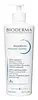
This barrier-repair moisturizer is formulated around Zinc Gluconate and Phytosphingosine to strengthen the skin barrier and hydrate skin.
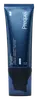
This barrier-repair moisturizer is formulated around Polyglutamic Acid and Ectoin to strengthen the skin barrier and hydrate skin.


What's inside
What's inside
 Key Ingredients
Benefits
Concerns
Ingredients Side-by-side
Water
Skin ConditioningGlycerin
Humectant


Paraffinum Liquidum
Emollient


Helianthus Annuus Seed Oil
Emollient

Behenyl Alcohol
Emollient
Sucrose Stearate
EmollientCanola Oil
Emollient

Hydroxyethyl Acrylate/Sodium Acryloyldimethyl Taurate Copolymer
Emulsion StabilisingPentylene Glycol
Skin Conditioning
Beta-Sitosterol
Emulsion Stabilising
Xylitol
Humectant
Zinc Gluconate
Skin Conditioning



Acrylates/C10-30 Alkyl Acrylate Crosspolymer
Emulsion StabilisingPalmitamide Mea
Foam Boosting1,2-Hexanediol
Skin Conditioning
Caprylyl Glycol
Emollient
Sodium Citrate
BufferingMannitol
Humectant
Rhamnose
HumectantSodium Lauroyl Lactylate
EmulsifyingSodium Hydroxide
BufferingPolysorbate 60
Emulsifying
Sorbitan Isostearate
Emulsifying
Tocopherol
Antioxidant





Phytosphingosine
Skin Conditioning
Ceramide NP
Skin Conditioning
Ethylhexylglycerin
Skin ConditioningCeramide AP
Skin Conditioning
Cholesterol
Emollient
Carbomer
Emulsion StabilisingXanthan Gum
EmulsifyingFructooligosaccharides
Humectant
Caprylic/Capric Triglyceride
Masking
Laminaria Ochroleuca Extract
Skin Conditioning
Citric Acid
Buffering
Ceramide EOP
Skin Conditioning
Water, Glycerin, Paraffinum Liquidum, Helianthus Annuus Seed Oil, Behenyl Alcohol, Sucrose Stearate, Canola Oil, Hydroxyethyl Acrylate/Sodium Acryloyldimethyl Taurate Copolymer, Pentylene Glycol, Beta-Sitosterol, Xylitol, Zinc Gluconate, Acrylates/C10-30 Alkyl Acrylate Crosspolymer, Palmitamide Mea, 1,2-Hexanediol, Caprylyl Glycol, Sodium Citrate, Mannitol, Rhamnose, Sodium Lauroyl Lactylate, Sodium Hydroxide, Polysorbate 60, Sorbitan Isostearate, Tocopherol, Phytosphingosine, Ceramide NP, Ethylhexylglycerin, Ceramide AP, Cholesterol, Carbomer, Xanthan Gum, Fructooligosaccharides, Caprylic/Capric Triglyceride, Laminaria Ochroleuca Extract, Citric Acid, Ceramide EOP
Water
Skin ConditioningDimethicone
Emollient
Propanediol
Solvent
Glycerin
Humectant
Hydroxyethyl Acrylate/Sodium Acryloyldimethyl Taurate Copolymer
Emulsion StabilisingPolyglutamic Acid
Skin Conditioning
Magnesium Aspartate
Skin ConditioningZinc Gluconate
Skin Conditioning
Sodium PCA
Humectant
Ectoin
Skin Conditioning
Xylitylglucoside
Humectant
Anhydroxylitol
Humectant
Copper Gluconate
Skin Conditioning
Xylitol
Humectant
Glucose
Humectant
Spirulina Platensis Extract
Skin ProtectingGardenia Florida Fruit Extract
Skin ConditioningDimethicone Crosspolymer
Emulsion Stabilising
Pentylene Glycol
Skin Conditioning
Caprylyl Glycol
Emollient
1,2-Hexanediol
Skin Conditioning
Lecithin
Emollient
Sodium Phytate
ChelatingTrehalose
Humectant
Maltodextrin
Absorbent
Cetyl Diglyceryl Tris(Trimethylsiloxy)Silylethyl Dimethicone
Emulsion Stabilising
Sorbitan Isostearate
Emulsifying
Polysorbate 60
Emulsifying
Acrylates/C10-30 Alkyl Acrylate Crosspolymer
Emulsion StabilisingSclerotium Gum
Emulsion StabilisingCarrageenan
Xanthan Gum
EmulsifyingSilica
Abrasive
Carbomer
Emulsion StabilisingTocopherol
Antioxidant
Hydroxyacetophenone
Antioxidant
Phenoxyethanol
Preservative
Sodium Citrate
BufferingSodium Hydroxide
BufferingCitric Acid
Buffering
Water, Dimethicone, Propanediol, Glycerin, Hydroxyethyl Acrylate/Sodium Acryloyldimethyl Taurate Copolymer, Polyglutamic Acid, Magnesium Aspartate, Zinc Gluconate, Sodium PCA, Ectoin, Xylitylglucoside, Anhydroxylitol, Copper Gluconate, Xylitol, Glucose, Spirulina Platensis Extract, Gardenia Florida Fruit Extract, Dimethicone Crosspolymer, Pentylene Glycol, Caprylyl Glycol, 1,2-Hexanediol, Lecithin, Sodium Phytate, Trehalose, Maltodextrin, Cetyl Diglyceryl Tris(Trimethylsiloxy)Silylethyl Dimethicone, Sorbitan Isostearate, Polysorbate 60, Acrylates/C10-30 Alkyl Acrylate Crosspolymer, Sclerotium Gum, Carrageenan, Xanthan Gum, Silica, Carbomer, Tocopherol, Hydroxyacetophenone, Phenoxyethanol, Sodium Citrate, Sodium Hydroxide, Citric Acid
Reviews
Ingredients Explained
These ingredients are found in both products.
Ingredients higher up in an ingredient list are typically present in a larger amount.
1,2-Hexanediol is a synthetic liquid and another multi-functional powerhouse.
It is a:
- Humectant, drawing moisture into the skin
- Emollient, helping to soften skin
- Solvent, dispersing and stabilizing formulas
- Preservative booster, enhancing the antimicrobial activity of other preservatives
Acrylates/C10-30 Alkyl Acrylate Crosspolymer is a synthetic polymer. It is used to thicken, emulsify, and improve the texture of products.
As an emulsifier, it helps stabilize oil-in-water emulsions to give products an elegant feel when applied.
It can also form a thin protective film on skin. One study found that a formula using this polymer helped slow down how quickly other ingredients (like DEET) were absorbed through skin.
A 2024 study of over 1,300 patients confirmed that sensitization to this ingredient is rare. It is also non-mutagenic and has a clean track record.
Learn more about Acrylates/C10-30 Alkyl Acrylate CrosspolymerCaprylyl Glycol is a humectant, skin conditioner, emollient, and preservative booster derived from either caprylic acid or synthetically created.
Typical use levels vary from 0.3-1% as a preservative booster and go up to 2% to condition skin.
Because it is not a free-fatty acid, this ingredient is fungal acne safe (there's nothing for Malassezia to feed on).
Learn more about Caprylyl GlycolCarbomer is a synthetic thickening and gelling agent. It's basically the ingredient that gives a lot of serums, gels, creams, and sunscreens their smooth, non-sticky texture.
Although legally permitted at very high levels, carbomers are normally used at concentrations below 1%.
It also needs to be neutralized to actually thicken, and because it is a large molecule, it doesn't really penetrate the skin barrier.
Allergy-wise, the risk is very low. Clinical studies show carbomers have low potential for skin irritation/sensitization even at concentrations up to 100%.
A 2024 UK study patch-tested 1,302 patients and found true allergy to the parent group of carbomer to be rare with no confirmed relevant reactions.
Learn more about CarbomerCitric Acid is an alpha hydroxy acid (AHA) naturally found in citrus fruits like oranges, lemons, and limes.
Like other AHAs, citric acid can exfoliate skin by breaking down the bonds that hold dead skin cells together. This helps reveal smoother and brighter skin underneath.
However, this exfoliating effect only happens at high concentrations (20%) which can be hard to find in cosmetic products.
Due to this, citric acid is usually included in small amounts as a pH adjuster. This helps keep products slightly more acidic and compatible with skin's natural pH.
In skincare formulas, citric acid can:
While it can provide some skin benefits, research shows lactic acid and glycolic acid are generally more effective and less irritating exfoliants.
Most citric acid used in skincare today is made by fermenting sugars (usually from molasses). This synthetic version is identical to the natural citrus form but easier to stabilize and use in formulations.
Rosacea skin has a lower threshold for acids generally, with 62.5% of rosacea subjects in one study reacting to lactic acid in a sting test. This is why we mark citric acid as a potential rosacea trigger.
However, this ingredient shows up as a pH adjuster or chelator at roughly 0.1-1% in many products. These low levels are unlikely to be an issue for rosacea skin and becomes a potential trigger at exfoliating concentrations (20%). Because everybody's skin is unique, we recommend a patch test if you are unsure.
Learn more about Citric AcidGlycerin (or glycerol) is a compound naturally found in your skin. It's a powerhouse humectant that pulls water into the stratum corneum.
Topically, glycerin does several things at once:
Your skin makes glycerin on its own (mostly from sebaceous oil breakdown) and shuttles it to your outermost layer of skin, or your epidermis, via aquaporin-3.
Aquaporin-3 is a transporter that is essential for normal skin hydration, elasticity, and repair. Interestingly, mice lacking in AQP3 have dry and less elastic skin that can be fully corrected with glycerin.
This ingredient is non-irritating, plays well with almost every ingredient, and works across all skin types. Typical use is anywhere between 3-10% but can go up to 79% in some leave-on products.
Just know very high concentrations (>40%) can feel tacky in low humidity.
Glycerin is the name for this ingredient in American English. British English uses Glycerol/Glycerine.
Learn more about GlycerinThis is a synthetic polymer. It helps improve the texture of products by adding thickness and gel-like feel.
It is also an emulsifer, meaning it prevents ingredients such as oil and water from separating. It also helps evenly disperse other ingredients.
Pentylene Glycol (1,2-pentanediol) is a multitasking little diol with three main roles in a formula:
Research on alkanediols (the family pentylene glycol belongs to) show they work by disrupting microbial cell membranes. This disruption helps the primary preservative system in a product work more effectively at lower doses.
On the safety side, the Cosmetic Ingredient Review Expert Panel has concluded this ingredient to be safe as used in current cosmetic practices + concentrations.
Typical use levels in a formula run about 1-5%.
Learn more about Pentylene GlycolPolysorbate 60 is used to help stabilize products. It is a surfactant and emulsifier. These properties help keep ingredients together in a product. Surfactants help reduce surface tension between ingredients with different states, such as liquids and solids. Emulsifiers help prevent oils and waters from separating.
Polysorbate 60 is sorbitol-based and created from the ethoxylation of sorbitan. Ethoxylation is a chemical reaction used to add ethylene oxide. Sorbitan is a the dehydrated version of sorbitol, a sugar found in fruits.
In this case, the 60 comes from reacting 60 units of ethylene oxide with sorbitan.
Polysorbates are commonly used in medicine and foods.
Learn more about Polysorbate 60Sodium Citrate is the sodium salts of citric acid. In skincare, it is used to alter pH levels and acts as a preservative.
Its main functions are to maintain the pH of a product and neutralize metal ions.
The acidity of our skin is maintained by our glands and skin biome; normal pH level of skin is slightly acidic (~4.75-5.5).
Being slightly acidic allows our skin to create an "acid mantle". This acid mantle is a thin barrier that protects our skin from bacteria and contaminants.
Learn more about Sodium CitrateSodium Hydroxide is also known as lye or caustic soda. It is used to adjust the pH of products; many ingredients require a specific pH to be effective.
In small amounts, sodium hydroxide is considered safe to use. However, large amounts may cause chemical burns due to its high alkaline.
Your skin has a natural pH and acid mantle. This acid mantle helps prevent harmful bacteria from breaking through. The acid mantle also helps keep your skin hydrated.
"Alkaline" refers to a high pH level. A low pH level would be considered acidic.
Learn more about Sodium HydroxideSorbitan Isostearate is an emulsifer. It is created from isostearic acid and sorbitol.
As an emulsifier, it keeps the water and oil ingredients from separating. This keeps formulas stable and smooth.
In a 24 hour occlusive patch test on 56 subjects, 10% sorbitan isostearate was completely non-irritating. Most formulas use less than 10%.
Because it's a fatty acid ester, it may not be fungal acne safe since the Malassezia yeast can utilize it as a nutrient source.
Learn more about Sorbitan IsostearateTocopherol is a fat-soluble antioxidant known as Vitamin E.
You'll find this ingredient in the vast majority of skincare (for good reason). It works to neutralize free radicals, or unstable molecules generated by UV exposure, pollution, and other environmental stressors, before they can cause oxidative damage to your skin cells.
Topically applied tocopherol has been shown to protect against UV damage by ramping up the skin's own natural defense enzymes.
It also acts as a skin conditioning agent; some studies show that regular topical use can improve the skin's water-binding capacity over 2-4 weeks.
This ingredient is especially loved for being a team player. When combined with Vitamin C, the photoprotective effect of both ingredients roughly doubles and the combo also helps reduce UV-induced DNA damage.
This ingredient has some brightening potential but it's more of a prevention ingredient than spot-fader. Cell studies show it can slow down melanin production but it's worth noting that it's not the most powerful brightener out there.
In formulations, it also serves as a stabilizer that helps protect other oxidation-prone ingredients from degrading.
Concentrations usually range from 0.1-1% in most leave-on products.
Learn more about TocopherolWater. It's the most common cosmetic ingredient of all. You'll usually see it at the top of ingredient lists, meaning that it makes up the largest part of the product.
So why is it so popular? Water most often acts as a solvent - this means that it helps dissolve other ingredients into the formulation.
You'll also recognize water as that liquid we all need to stay alive. If you see this, drink a glass of water. Remember to stay hydrated!
Learn more about WaterXanthan gum is used as a stabilizer and thickener within cosmetic products. It helps give products a sticky, thick feeling - preventing them from being too runny.
On the technical side of things, xanthan gum is a polysaccharide - a combination consisting of multiple sugar molecules bonded together.
Xanthan gum is a pretty common and great ingredient. It is a natural, non-toxic, non-irritating ingredient that is also commonly used in food products.
Learn more about Xanthan GumXylitol is a humectant and prebiotic. It can help with dry skin.
In studies, xylitol has been shown to improve dry skin. It decreased transepidermal water loss, or when water passes through the skin and evaporates. Xylitol also showed to help improve the biomechanical properties of the skin barrier.
The prebiotic property of xylitol may also help reinforce our skin's natural microbiome. Having a healthy microbiome prevents infection by bad bacteria and helps with hydration.
As a humectant, Xylitol helps draw moisture from both the air and from deeper skin layers. This helps keep skin hydrated.
Xylitol is a sugar alcohol and commonly used as a sugar substitute. It is naturally occurring in plants such as strawberries and pumpkin.
Learn more about XylitolZinc gluconate has antibacterial and wound healing properties. It is particularly effective against fighting inflammatory acne.
This ingredient is the zinc salt of the PHA gluconic acid. PHAs are gentle cousins to AHAs.


