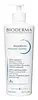
This barrier-repair moisturizer is formulated around Zinc Gluconate and Phytosphingosine to strengthen the skin barrier and hydrate skin.


What's inside
What's inside
 Key Ingredients
Benefits
Concerns
Ingredients Side-by-side
Water
Skin ConditioningGlycerin
Humectant


Paraffinum Liquidum
Emollient


Helianthus Annuus Seed Oil
Emollient

Behenyl Alcohol
Emollient
Sucrose Stearate
EmollientCanola Oil
Emollient

Hydroxyethyl Acrylate/Sodium Acryloyldimethyl Taurate Copolymer
Emulsion StabilisingPentylene Glycol
Skin Conditioning
Beta-Sitosterol
Emulsion Stabilising
Xylitol
Humectant
Zinc Gluconate
Skin Conditioning



Acrylates/C10-30 Alkyl Acrylate Crosspolymer
Emulsion StabilisingPalmitamide Mea
Foam Boosting1,2-Hexanediol
Skin Conditioning
Caprylyl Glycol
Emollient
Sodium Citrate
BufferingMannitol
Humectant
Rhamnose
HumectantSodium Lauroyl Lactylate
EmulsifyingSodium Hydroxide
BufferingPolysorbate 60
Emulsifying
Sorbitan Isostearate
Emulsifying
Tocopherol
Antioxidant





Phytosphingosine
Skin Conditioning
Ceramide NP
Skin Conditioning
Ethylhexylglycerin
Skin ConditioningCeramide AP
Skin Conditioning
Cholesterol
Emollient
Carbomer
Emulsion StabilisingXanthan Gum
EmulsifyingFructooligosaccharides
Humectant
Caprylic/Capric Triglyceride
Masking
Laminaria Ochroleuca Extract
Skin Conditioning
Citric Acid
Buffering
Ceramide EOP
Skin Conditioning
Water, Glycerin, Paraffinum Liquidum, Helianthus Annuus Seed Oil, Behenyl Alcohol, Sucrose Stearate, Canola Oil, Hydroxyethyl Acrylate/Sodium Acryloyldimethyl Taurate Copolymer, Pentylene Glycol, Beta-Sitosterol, Xylitol, Zinc Gluconate, Acrylates/C10-30 Alkyl Acrylate Crosspolymer, Palmitamide Mea, 1,2-Hexanediol, Caprylyl Glycol, Sodium Citrate, Mannitol, Rhamnose, Sodium Lauroyl Lactylate, Sodium Hydroxide, Polysorbate 60, Sorbitan Isostearate, Tocopherol, Phytosphingosine, Ceramide NP, Ethylhexylglycerin, Ceramide AP, Cholesterol, Carbomer, Xanthan Gum, Fructooligosaccharides, Caprylic/Capric Triglyceride, Laminaria Ochroleuca Extract, Citric Acid, Ceramide EOP
Water
Skin ConditioningUrea
Buffering

Isopropyl Myristate
Emollient
Paraffinum Liquidum
Emollient
Glyceryl Stearate
Emollient
PEG-40 Stearate
Emulsifying
Sorbitol
Humectant
Cetearyl Ethylhexanoate
Emollient
Cetyl Alcohol
Emollient
Dimethicone
Emollient
Glycine
Buffering
Phenoxyethanol
Preservative
Persea Gratissima Oil
Skin Conditioning
Carbomer
Emulsion StabilisingAllantoin
Skin Conditioning
Palmitic Acid
Emollient
Stearic Acid
Cleansing
Acrylates/C10-30 Alkyl Acrylate Crosspolymer
Emulsion StabilisingDisodium EDTA
ChelatingEthylhexylglycerin
Skin ConditioningParfum
Masking

Sodium Hydroxide
BufferingLimonene
Perfuming
Hexyl Cinnamal
Perfuming
Lactic Acid
Buffering
Alpha-Isomethyl Ionone
Perfuming
Linalool
Perfuming
Benzyl Salicylate
Perfuming
Eugenol
Perfuming
Citral
Perfuming
Hydroxycitronellal
Perfuming
Coumarin
Perfuming
Water, Urea, Isopropyl Myristate, Paraffinum Liquidum, Glyceryl Stearate, PEG-40 Stearate, Sorbitol, Cetearyl Ethylhexanoate, Cetyl Alcohol, Dimethicone, Glycine, Phenoxyethanol, Persea Gratissima Oil, Carbomer, Allantoin, Palmitic Acid, Stearic Acid, Acrylates/C10-30 Alkyl Acrylate Crosspolymer, Disodium EDTA, Ethylhexylglycerin, Parfum, Sodium Hydroxide, Limonene, Hexyl Cinnamal, Lactic Acid, Alpha-Isomethyl Ionone, Linalool, Benzyl Salicylate, Eugenol, Citral, Hydroxycitronellal, Coumarin
Reviews
Ingredients Explained
These ingredients are found in both products.
Ingredients higher up in an ingredient list are typically present in a larger amount.
Acrylates/C10-30 Alkyl Acrylate Crosspolymer is a synthetic polymer. It is used to thicken, emulsify, and improve the texture of products.
As an emulsifier, it helps stabilize oil-in-water emulsions to give products an elegant feel when applied.
It can also form a thin protective film on skin. One study found that a formula using this polymer helped slow down how quickly other ingredients (like DEET) were absorbed through skin.
A 2024 study of over 1,300 patients confirmed that sensitization to this ingredient is rare. It is also non-mutagenic and has a clean track record.
Learn more about Acrylates/C10-30 Alkyl Acrylate CrosspolymerCarbomer is a synthetic thickening and gelling agent. It's basically the ingredient that gives a lot of serums, gels, creams, and sunscreens their smooth, non-sticky texture.
Although legally permitted at very high levels, carbomers are normally used at concentrations below 1%.
It also needs to be neutralized to actually thicken, and because it is a large molecule, it doesn't really penetrate the skin barrier.
Allergy-wise, the risk is very low. Clinical studies show carbomers have low potential for skin irritation/sensitization even at concentrations up to 100%.
A 2024 UK study patch-tested 1,302 patients and found true allergy to the parent group of carbomer to be rare with no confirmed relevant reactions.
Learn more about CarbomerEthylhexylglycerin is created from glycerin. It is a multitasker ingredient that:
The CIR Expert Panel found minimal skin absorption or sensitization of any kind in a safety assessment. Though this ingredient is considered well-tolerated, a small number of cases of allergic dermatitis have been published since 2002. Just be sure to patch test if you are unsure.
Industry-reported use ranges from 8% in rinse-off products and 2% in leave-on formulations.
Learn more about EthylhexylglycerinParaffinum Liquidum is a highly-refined cosmetic-grade mineral oil. It is also known as liquid paraffin.
Despite its controversial reputation, the science is pretty clear: it's one of the most well-studied and effective moisturizing ingredients out there.
As an occlusive, it forms a protective layer on the skin that locks in moisture and prevents transepidermal water loss (TEWL). This makes it especially great for compromised skin barriers.
The "it clogs your pores" myth has been around for decades; a study found that industrial-grade mineral oil may be comedogenic but cosmetic-grade mineral oil is not (these two are very, very different).
A 2017 review concluded that cosmetic use of mineral oils and waxes does not present a risk to consumers due to absorption.
Mineral oil got a bad rap from the old rabbit ear studies. When tested on actual human skin, cosmetic-grade mineral oil showed no comedogenic activity. The rating of 0 is a correction of outdated science.
Mineral oil is an inert substance with no fatty acids so there's nothing to feed Malassezia. This ingredient is fungal acne safe.
Learn more about Paraffinum LiquidumSodium Hydroxide is also known as lye or caustic soda. It is used to adjust the pH of products; many ingredients require a specific pH to be effective.
In small amounts, sodium hydroxide is considered safe to use. However, large amounts may cause chemical burns due to its high alkaline.
Your skin has a natural pH and acid mantle. This acid mantle helps prevent harmful bacteria from breaking through. The acid mantle also helps keep your skin hydrated.
"Alkaline" refers to a high pH level. A low pH level would be considered acidic.
Learn more about Sodium HydroxideWater. It's the most common cosmetic ingredient of all. You'll usually see it at the top of ingredient lists, meaning that it makes up the largest part of the product.
So why is it so popular? Water most often acts as a solvent - this means that it helps dissolve other ingredients into the formulation.
You'll also recognize water as that liquid we all need to stay alive. If you see this, drink a glass of water. Remember to stay hydrated!
Learn more about Water

