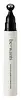
This anti-aging eye moisturizer is formulated around Niacinamide to soften the look of wrinkles.
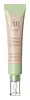
This anti-aging eye moisturizer is formulated around Adenosine and Acetyl Hexapeptide-8 to soften the look of wrinkles.


What's inside
What's inside
 Key Ingredients
Benefits
Concerns
Ingredients Side-by-side
Phyllostachys Bambusoides Juice
Skin ConditioningWater
Skin ConditioningMethylpropanediol
SolventPolyglycerin-3
Humectant
1,2-Hexanediol
Skin Conditioning
Niacinamide
Smoothing











Glycerin
Humectant
Nymphoides Indica Extract
HumectantBetaine
Humectant
Laminaria Japonica Extract
Skin Protecting
Eclipta Prostrata Leaf Extract
Skin ConditioningCentella Asiatica Extract
Cleansing
Ficus Carica Fruit Extract
Humectant
Piper Methysticum Leaf/Root/Stem Extract
Skin ConditioningBambusa Vulgaris Shoot Extract
Antioxidant
Bambusa Vulgaris Leaf/Stem Extract
HumectantGanoderma Lucidum Stem Extract
Skin ConditioningGlycine Soja Seed Extract
Skin Conditioning
Trifolium Pratense Extract
Skin ConditioningHydrogenated Lecithin
Emulsifying
Bambusa Vulgaris Water
Skin ConditioningCitrus Aurantium Bergamia Fruit Oil
Masking



Sodium Hyaluronate
Humectant
Soluble Collagen
Humectant
Ammonium Acryloyldimethyltaurate/Vp Copolymer
Collagen
Moisturising
Octyldodeceth-16
EmulsifyingLeuconostoc/Radish Root Ferment Filtrate
Antimicrobial

Carbomer
Emulsion StabilisingButylene Glycol
Humectant
Fructan
Skin ConditioningTromethamine
BufferingAdenosine
Skin Conditioning
Fructooligosaccharides
Humectant
Disodium EDTA
ChelatingSodium Polyacrylate
Absorbent
Pvm/Ma Copolymer
Emulsion StabilisingBeta-Glucan
Skin Conditioning
Hydrolyzed Hyaluronic Acid
Humectant
Propanediol
Solvent
Ceramide NP
Skin Conditioning
Polyglyceryl-10 Myristate
Skin Conditioning
Sucrose Polystearate
EmollientGlyceryl Stearate Se
Emulsifying


Cetyl Alcohol
Emollient

Stearyl Alcohol
Emollient
Sodium Stearoyl Glutamate
CleansingOleanolic Acid
Skin ConditioningTetrahydropiperine
Skin ConditioningPhloretin
Antioxidant
Hydrogenated Polyisobutene
EmollientCrithmum Maritimum Callus Culture Filtrate
Skin ProtectingArginine
Masking
Potassium Cetyl Phosphate
EmulsifyingEthylhexylglycerin
Skin ConditioningPentylene Glycol
Skin Conditioning
Limonene
Perfuming
Linalool
Perfuming
Phyllostachys Bambusoides Juice, Water, Methylpropanediol, Polyglycerin-3, 1,2-Hexanediol, Niacinamide, Glycerin, Nymphoides Indica Extract, Betaine, Laminaria Japonica Extract, Eclipta Prostrata Leaf Extract, Centella Asiatica Extract, Ficus Carica Fruit Extract, Piper Methysticum Leaf/Root/Stem Extract, Bambusa Vulgaris Shoot Extract, Bambusa Vulgaris Leaf/Stem Extract, Ganoderma Lucidum Stem Extract, Glycine Soja Seed Extract, Trifolium Pratense Extract, Hydrogenated Lecithin, Bambusa Vulgaris Water, Citrus Aurantium Bergamia Fruit Oil, Sodium Hyaluronate, Soluble Collagen, Ammonium Acryloyldimethyltaurate/Vp Copolymer, Collagen, Octyldodeceth-16, Leuconostoc/Radish Root Ferment Filtrate, Carbomer, Butylene Glycol, Fructan, Tromethamine, Adenosine, Fructooligosaccharides, Disodium EDTA, Sodium Polyacrylate, Pvm/Ma Copolymer, Beta-Glucan, Hydrolyzed Hyaluronic Acid, Propanediol, Ceramide NP, Polyglyceryl-10 Myristate, Sucrose Polystearate, Glyceryl Stearate Se, Cetyl Alcohol, Stearyl Alcohol, Sodium Stearoyl Glutamate, Oleanolic Acid, Tetrahydropiperine, Phloretin, Hydrogenated Polyisobutene, Crithmum Maritimum Callus Culture Filtrate, Arginine, Potassium Cetyl Phosphate, Ethylhexylglycerin, Pentylene Glycol, Limonene, Linalool
Water
Skin ConditioningGlycerin
Humectant
Propanediol
Solvent
Adenosine
Skin Conditioning
Rosa Canina Fruit Extract
Astringent
Anthemis Nobilis Flower Extract
Masking
Jasminum Officinale Extract
Masking
Lavandula Angustifolia Extract
Skin Conditioning
Rosmarinus Officinalis Extract
AntimicrobialAcacia Seyal Gum Extract
HumectantAvena Strigosa Seed Extract
Skin ConditioningLecithin
Emollient
Beta-Glucan
Skin Conditioning
Camellia Japonica Flower Extract
EmollientPotassium Sorbate
Preservative
Citric Acid
Buffering
Acetyl Hexapeptide-8
Humectant
Hydroxyethylcellulose
Emulsion StabilisingPhenoxyethanol
Preservative
Polysorbate 80
Emulsifying
Glyceryl Acrylate/Acrylic Acid Copolymer
HumectantAcrylates/C10-30 Alkyl Acrylate Crosspolymer
Emulsion StabilisingTromethamine
BufferingTocopheryl Acetate
Antioxidant
1,2-Hexanediol
Skin Conditioning
Ethylhexylglycerin
Skin ConditioningPvm/Ma Copolymer
Emulsion StabilisingSodium Hyaluronate
Humectant
Butylene Glycol
Humectant
Propylene Glycol
Humectant
Disodium EDTA
ChelatingWater, Glycerin, Propanediol, Adenosine, Rosa Canina Fruit Extract, Anthemis Nobilis Flower Extract, Jasminum Officinale Extract, Lavandula Angustifolia Extract, Rosmarinus Officinalis Extract, Acacia Seyal Gum Extract, Avena Strigosa Seed Extract, Lecithin, Beta-Glucan, Camellia Japonica Flower Extract, Potassium Sorbate, Citric Acid, Acetyl Hexapeptide-8, Hydroxyethylcellulose, Phenoxyethanol, Polysorbate 80, Glyceryl Acrylate/Acrylic Acid Copolymer, Acrylates/C10-30 Alkyl Acrylate Crosspolymer, Tromethamine, Tocopheryl Acetate, 1,2-Hexanediol, Ethylhexylglycerin, Pvm/Ma Copolymer, Sodium Hyaluronate, Butylene Glycol, Propylene Glycol, Disodium EDTA
Ingredients Explained
These ingredients are found in both products.
Ingredients higher up in an ingredient list are typically present in a larger amount.
1,2-Hexanediol is a synthetic liquid and another multi-functional powerhouse.
It is a:
- Humectant, drawing moisture into the skin
- Emollient, helping to soften skin
- Solvent, dispersing and stabilizing formulas
- Preservative booster, enhancing the antimicrobial activity of other preservatives
Adenosine is a purine nucleoside that your body already makes in every cell. In skincare, it acts mainly as a skin conditioning and anti-aging agent.
The way it works is fairly well mapped out:
Your skin has cells called fibroblasts that build collagen (the stuff that keeps skin firm and smooth). Adenosine basically flips a switch on these cells that tells them to get to work making more collagen and other proteins. These cells slow down on their own as skin ages, so Adenosine helps give them a little nudge to keep going.
The clinical backing is pretty solid too.
A blind, randomized, placebo-controlled trial of 126 women aged 45-65 tested a 0.1% cream twice daily and found real improvements in crow's feet and frown lines using a precise 3D skin-mapping technique; these changes showed up by week 3 and held at 2 months.
A later study using Adenosine-loaded dissolving microneedle patches reported gains in wrinkle depth, dermal density, elasticity, and hydration.
On concentrations, South Korea's Ministry of Food and Drug Safety has set 0.04% as the approved functional anti-wrinkle level. You'll typically see this ingredient used somewhere in the 0.04-0.1% range since it works at low doses.
This ingredient has been found safe for cosmetics with the data showing no irritation or sensitization.
Overall, this is a great ingredient for any anti-aging routine and has no photosensitizing effect, so it suits both AM and PM use.
Learn more about AdenosineBeta-Glucan is a soluble polysaccharide (a chain of glucose sugars) sourced from the cells walls of oats, baker's yeast, mushrooms, and seaweed.
It's a rare ingredient that pulls double-duty as a heavy-duty hydrator and skin-soothing repair agent.
On the surface, it acts as a humectant that holds water in place and reduces moisture loss for a plumper, smoother feel, while its anti-inflammatory and antioxidant properties make it a great pick for calming redness or sensitive skin
The more interesting story is underneath:
Despite its large molecular size, oat beta-glucan has been shown to penetrate the epidermis and reach the dermis by slipping between skin cells. Here, it interacts with fibroblasts and macrophages to nudge collagen synthesis and support wound repair.
A small 2005 split-face clinical study of 27 subjects found topical beta-glucan produced measurable reductions in wrinkle depth, height, and roughness after 8 weeks of use.
It is worth noting the trial was small and the penetration testing used frozen, irradiated skin so the anti-aging data is encouraging rather than definitive.
This ingredient gets along with pretty much everything and is typically used around 0.1-1%.
Fungal acne: This ingredient is not a food source for the Malassezia yeast because it is a glucose polysaccharide with no fatty acid or ester component.
Learn more about Beta-GlucanButylene Glycol (or BG) is used within cosmetic products for a few different reasons:
Overall, Butylene Glycol is a safe and well-rounded ingredient that works well with other ingredients.
Though this ingredient works well with most skin types, some people with sensitive skin may experience a reaction such as allergic rashes, closed comedones, or itchiness.
Learn more about Butylene GlycolDisodium EDTA is a chelating agent. It grabs onto and deactivates metal ions that sneak into your products from water, packaging, or air.
This ingredient mainly works behind the scenes and helps with:
On top of that, this ingredient can counteract the effects of hard water by binding to the minerals in it.
One thing worth knowing is that Disodium EDTA has been shown to be a mild penetration enhancer. It can help other ingredients absorb into skin more effectively which can be a double-edged sword (great for actives, but can also make the active too strong if you have sensitive skin).
Clinical patch testing showed no significant skin irritation at typical use concentrations and minimal dermal absorption.
You'll most likely see this ingredient near the end of an ingredient list. It's typically found in concentrations less than 1%.
Learn more about Disodium EDTAEthylhexylglycerin is created from glycerin. It is a multitasker ingredient that:
The CIR Expert Panel found minimal skin absorption or sensitization of any kind in a safety assessment. Though this ingredient is considered well-tolerated, a small number of cases of allergic dermatitis have been published since 2002. Just be sure to patch test if you are unsure.
Industry-reported use ranges from 8% in rinse-off products and 2% in leave-on formulations.
Learn more about EthylhexylglycerinGlycerin (or glycerol) is a compound naturally found in your skin. It's a powerhouse humectant that pulls water into the stratum corneum.
Topically, glycerin does several things at once:
Your skin makes glycerin on its own (mostly from sebaceous oil breakdown) and shuttles it to your outermost layer of skin, or your epidermis, via aquaporin-3.
Aquaporin-3 is a transporter that is essential for normal skin hydration, elasticity, and repair. Interestingly, mice lacking in AQP3 have dry and less elastic skin that can be fully corrected with glycerin.
This ingredient is non-irritating, plays well with almost every ingredient, and works across all skin types. Typical use is anywhere between 3-10% but can go up to 79% in some leave-on products.
Just know very high concentrations (>40%) can feel tacky in low humidity.
Glycerin is the name for this ingredient in American English. British English uses Glycerol/Glycerine.
Learn more about GlycerinPropanediol is an all-star ingredient. It softens, hydrates, and smooths the skin.
It’s often used to:
Propanediol is not likely to cause sensitivity and considered safe to use. It is derived from corn or petroleum with a clear color and no scent.
Learn more about PropanediolPVM/MA Copolymer is a synthetic and high-molecular weight polymer. It is used to create a flexible film that helps ingredients "stick together" on hair or skin. It also helps reduce static, help emulsions behave, and tweaks the thickness and flow of a product.
You'll most likely find this ingredient in hair styling products because that film is what helps styles last.
Sodium Hyaluronate is the salt form of hyaluronic acid. It is a long sugar chain that is naturally found in your skin, joints, and connective tissue that maintains hydration and elasticity.
In skincare, it works as a humectant. It pulls water from the environment and deeper layers of skin and binds it to the surface.
Interestingly, the size of the molecule affects its behavior:
Some clinical evidence links low molecular weight versions to improved wrinkle depth, elasticity, anti-inflammatory effects, and barrier repair.
Many serums use a blend of both weights so you can get surface hydration plus longer-lasting and deeper effects.
You'll typically see concentrations between 0.1-2% for this ingredient.
Learn more about Sodium HyaluronateTromethamine (aka THAM) is a synthetic amino acid that shows up in skincare as a helper ingredient.
It functions as a pH adjuster to help neutralize acidic ingredients and set a formula's pH to the right spot.
This matters a lot because a lot of actives (like vitamin C) needs a specific pH to work well and feel comfortable on skin.
Concentration use ranges from 0.1-1.0% depending on the formula.
Learn more about TromethamineWater. It's the most common cosmetic ingredient of all. You'll usually see it at the top of ingredient lists, meaning that it makes up the largest part of the product.
So why is it so popular? Water most often acts as a solvent - this means that it helps dissolve other ingredients into the formulation.
You'll also recognize water as that liquid we all need to stay alive. If you see this, drink a glass of water. Remember to stay hydrated!
Learn more about Water


