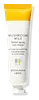
This anti-aging eye moisturizer is formulated around Ganoderma Lucidum Extract and Kojic Acid to soften the look of wrinkles and fade the look of dark spots.
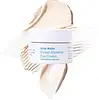
This anti-aging eye moisturizer is formulated around Butyrospermum Parkii Butter and Squalane to soften the look of wrinkles and hydrate skin.

What's inside
What's inside
 Key Ingredients
Benefits
Concerns
Ingredients Side-by-side
Water
Skin ConditioningCaprylic/Capric Triglyceride
Masking


Glycerin
Humectant
Coco-Caprylate/Caprate
Emollient
Propanediol
Solvent
Tridecyl Trimellitate
EmollientHelianthus Annuus Seed Oil
Emollient


Glyceryl Stearate Citrate
Emollient
C12-16 Alcohols
EmollientSqualane
Emollient
Caprae Lac
Skin ConditioningGanoderma Lucidum Extract
Skin Protecting
Tremella Fuciformis Sporocarp Extract
Antioxidant
Kojic Acid
Antioxidant


Hericium Erinaceus/Lactobacillus/Leuconostoc/Artemisia Capillaris Leaf/Stem Ferment Filtrate
Antioxidant
Acetyl Hexapeptide-8
Humectant
Hydrogenated Lecithin
Emulsifying
Polyglyceryl-3 Stearate
Emulsifying
1,2-Hexanediol
Skin Conditioning
Triheptanoin
Skin ConditioningPullulan
Palmitic Acid
Emollient


Cetearyl Alcohol
Emollient
Glyceryl Citrate/Lactate/Linoleate/Oleate
Emulsifying
C9-12 Alkane
SolventDilinoleic Acid/Butanediol Copolymer
Sclerotium Gum
Emulsion StabilisingCaprylhydroxamic Acid
ChelatingXanthan Gum
EmulsifyingSodium Benzoate
Masking
Castor Oil/Ipdi Copolymer
Tocopherol
Antioxidant
Water, Caprylic/Capric Triglyceride, Glycerin, Coco-Caprylate/Caprate, Propanediol, Tridecyl Trimellitate, Helianthus Annuus Seed Oil, Glyceryl Stearate Citrate, C12-16 Alcohols, Squalane, Caprae Lac, Ganoderma Lucidum Extract, Tremella Fuciformis Sporocarp Extract, Kojic Acid, Hericium Erinaceus/Lactobacillus/Leuconostoc/Artemisia Capillaris Leaf/Stem Ferment Filtrate, Acetyl Hexapeptide-8, Hydrogenated Lecithin, Polyglyceryl-3 Stearate, 1,2-Hexanediol, Triheptanoin, Pullulan, Palmitic Acid, Cetearyl Alcohol, Glyceryl Citrate/Lactate/Linoleate/Oleate, C9-12 Alkane, Dilinoleic Acid/Butanediol Copolymer, Sclerotium Gum, Caprylhydroxamic Acid, Xanthan Gum, Sodium Benzoate, Castor Oil/Ipdi Copolymer, Tocopherol
Water
Skin ConditioningTriheptanoin
Skin ConditioningButyrospermum Parkii Butter
Skin Conditioning
Glycerin
Humectant
Squalane
Emollient
Cetyl Stearate
Emollient
Isostearyl Isostearate
Emollient
C12-16 Alcohols
EmollientBehenyl Alcohol
Emollient
Coco-Caprylate/Caprate
Emollient
Rosa Moschata Seed Oil
Emollient
Propanediol
Solvent
Maltodextrin
Absorbent
Palmitic Acid
Emollient
Hydrogenated Lecithin
Emulsifying
Glyceryl Stearate Citrate
Emollient
Tripeptide-29
Skin Conditioning
Fructose
Humectant
1,2-Hexanediol
Skin Conditioning
Oryza Sativa Bran Extract
Skin Conditioning
Astrocaryum Murumuru Seed Butter
Emollient
Gossypium Herbaceum Seed Oil
Skin Conditioning
Bidens Pilosa Extract
HumectantXanthan Gum
EmulsifyingLinum Usitatissimum Seed Oil
Perfuming
Caprylhydroxamic Acid
ChelatingCitric Acid
Buffering
Aesculus Hippocastanum Extract
Antioxidant
Butylene Glycol
Humectant
Trisodium Ethylenediamine Disuccinate
ChelatingPotassium Sorbate
Preservative
Helianthus Annuus Seed Extract
Skin Conditioning
Theobroma Grandiflorum Seed Butter
Skin Conditioning
Rosmarinus Officinalis Leaf Extract
AntimicrobialTocopherol
Antioxidant
Leuconostoc/Radish Root Ferment Filtrate
Antimicrobial
Hyaluronic Acid
Humectant
Tremella Fuciformis Sporocarp Extract
Antioxidant
Coenochloris Signiensis Extract
Skin ConditioningLecithin
Emollient
Quercus Alba Bark Extract
AstringentBetula Alba Juice
AstringentCamellia Sinensis Leaf Extract
Antimicrobial


Inonotus Obliquus Extract
Skin ConditioningCucumis Sativus Extract
Skin Conditioning
Arnica Montana Flower Extract
Masking
Hedera Helix Stem Extract
Malva Sylvestris Flower Extract
Skin ConditioningParietaria Officinalis Extract
EmollientSambucus Nigra Flower Extract
RefreshingSodium Benzoate
Masking
Water, Triheptanoin, Butyrospermum Parkii Butter, Glycerin, Squalane, Cetyl Stearate, Isostearyl Isostearate, C12-16 Alcohols, Behenyl Alcohol, Coco-Caprylate/Caprate, Rosa Moschata Seed Oil, Propanediol, Maltodextrin, Palmitic Acid, Hydrogenated Lecithin, Glyceryl Stearate Citrate, Tripeptide-29, Fructose, 1,2-Hexanediol, Oryza Sativa Bran Extract, Astrocaryum Murumuru Seed Butter, Gossypium Herbaceum Seed Oil, Bidens Pilosa Extract, Xanthan Gum, Linum Usitatissimum Seed Oil, Caprylhydroxamic Acid, Citric Acid, Aesculus Hippocastanum Extract, Butylene Glycol, Trisodium Ethylenediamine Disuccinate, Potassium Sorbate, Helianthus Annuus Seed Extract, Theobroma Grandiflorum Seed Butter, Rosmarinus Officinalis Leaf Extract, Tocopherol, Leuconostoc/Radish Root Ferment Filtrate, Hyaluronic Acid, Tremella Fuciformis Sporocarp Extract, Coenochloris Signiensis Extract, Lecithin, Quercus Alba Bark Extract, Betula Alba Juice, Camellia Sinensis Leaf Extract, Inonotus Obliquus Extract, Cucumis Sativus Extract, Arnica Montana Flower Extract, Hedera Helix Stem Extract, Malva Sylvestris Flower Extract, Parietaria Officinalis Extract, Sambucus Nigra Flower Extract, Sodium Benzoate
Reviews
Ingredients Explained
These ingredients are found in both products.
Ingredients higher up in an ingredient list are typically present in a larger amount.
1,2-Hexanediol is a synthetic liquid and another multi-functional powerhouse.
It is a:
- Humectant, drawing moisture into the skin
- Emollient, helping to soften skin
- Solvent, dispersing and stabilizing formulas
- Preservative booster, enhancing the antimicrobial activity of other preservatives
We don't have a description for C12-16 Alcohols yet.
Caprylhydroxamic Acid is a chelating agent that helps cosmetics stay fresh, stable, and consistent over time.
Chelating agents help prevent metal ions from binding to other ingredients. This helps prevent unwanted reactions and effects from using the product. It also helps prevent the growth of unwanted microbes in products that contain water.
Caprylhydroxamic Acid is often used with natural antimicrobial products as an alternative to preservatives.
Learn more about Caprylhydroxamic AcidCoco-Caprylate/Caprate is a lightweight ester created from coconut oil fatty acids, caprylic acid, and capric acid.
It is an emollient that helps soften skin and reduce transepidermal water loss (TEWL). What sets it apart from heavier emollients is its ultralight, non-greasy feel.
Once applied, this ingredient dries down quickly and leaves a dry, silky finish behind. This also helps improve spreadability and texture.
This ingredient has an excellent safety-record and is non-irritating.
Typical concentrations for cosmetics range from 0.5-62%.
Research on Malassezia growth found no growth on fatty acid esters with chain lengths shorter than 12 carbons (it prefers C11-24).
Since Coco-Caprylate/Caprate is built on C8 and C10 fatty acids, it is out of the range that Malassezia metabolizes, and therefore safe for fungal acne.
Learn more about Coco-Caprylate/CaprateGlycerin (or glycerol) is a compound naturally found in your skin. It's a powerhouse humectant that pulls water into the stratum corneum.
Topically, glycerin does several things at once:
Your skin makes glycerin on its own (mostly from sebaceous oil breakdown) and shuttles it to your outermost layer of skin, or your epidermis, via aquaporin-3.
Aquaporin-3 is a transporter that is essential for normal skin hydration, elasticity, and repair. Interestingly, mice lacking in AQP3 have dry and less elastic skin that can be fully corrected with glycerin.
This ingredient is non-irritating, plays well with almost every ingredient, and works across all skin types. Typical use is anywhere between 3-10% but can go up to 79% in some leave-on products.
Just know very high concentrations (>40%) can feel tacky in low humidity.
Glycerin is the name for this ingredient in American English. British English uses Glycerol/Glycerine.
Learn more about GlycerinGlyceryl Stearate Citrate is a citric acid ester of glyceryl stearate.
It is an emulsifier, emollient, and a surfactant.
Emulsifiers help stabilize a product. It does this by preventing certain ingredients from separating. Common ingredients include oils and water, which do not mix naturally. Emulsifiers have properties that help keep ingredients such as these together.
Emollients help soothe and soften the skin. They do this by creating a protective film on your skin. This barrier helps trap moisture and keeps your skin hydrated. Emollients may be effective at treating dry or itchy skin.
Surfactants help gather oils, dirt, and other pollutants from the skin. This helps them to be easily rinsed away.
Learn more about Glyceryl Stearate CitrateHydrogenated Lecithin is a more stable version of lecithin.
It's made by taking lecithin (a phospholipid commonly found in soybeans and egg yolks) and hydrogenating it. This just means the unsaturated fatty acids are turned into saturated ones so they don't go bad as easily.
This ingredient is an emollient, emulsifier, and penetration enhancer. As an emollient, it helps soften and hydrate skin by trapping moisture within. As an emulsifier, it prevents oil and water ingredients from separating.
Hydrogenated Lecithin can form tiny spherical structures made of phospholipid bilayers called liposomes. These liposomes are able to capture compounds inside their structure and deliver them through the skin barrier.
Because phospholipids are a natural component of our cell membranes, this ingredient is inherently compatible with skin.
A 2021 study found lecithin-based surfactants were less harsh and more tolerable comared to Sodium Lauryl Sulfate (SLS).
Learn more about Hydrogenated LecithinPalmitic Acid is a fatty acid naturally found in our skin and in many plant and animal sources.
In cosmetics, it is usually derived from palm oil. It serves many purposes in skincare, acting as a cleanser, emollient, and emulsifier.
Interestingly, topically applied Palmitic Acid can be elongated into longer chain fatty acids and ceramides. A 2019 study found low levels of Palmitic Acid lead to slower development of cells, suggesting it plays a role in keeping your skin's renewal process on track.
The CIR (Cosmetic Ingredient Review) panel determined it safe as used in cosmetics at concentrations up to 13%. It is non-irritating and non-sensitizing in clinical studies.
The culprit behind fungal acne, the Malassezia yeast, feeds on fatty acids with carbon chain lengths between C11-C24. Palmitic Acid, at C16, falls right into that sweet spot.
In vitro studies have shown that Palmitic Acid is one of the fatty acids that induce rapid Malassezia growth in lab settings.
It's worth noting that what feeds yeast in a lab doesn't necessarily feed it on your face since formulation and your skin's chemistry play a bigger role.
This ingredient does have a comedogenic rating of 2, but this doesn't mean a formula with this ingredient will clog pores.
Human testing has proved that any finished product with a comedogenic ingredient won't automatically make you break out; it really comes down to concentration, formula, and your skin.
Learn more about Palmitic AcidPropanediol is an all-star ingredient. It softens, hydrates, and smooths the skin.
It’s often used to:
Propanediol is not likely to cause sensitivity and considered safe to use. It is derived from corn or petroleum with a clear color and no scent.
Learn more about PropanediolSodium Benzoate is a preservative. It's used in both cosmetic and food products to inhibit the growth of mold and bacteria. It is typically produced synthetically.
Both the US FDA and EU Health Committee have approved the use of sodium benzoate. In the US, levels of 0.1% (of the total product) are allowed.
Sodium benzoate works as a preservative by inhibiting the growth of bacteria inside of cells. It prevents the cell from fermenting a type of sugar using an enzyme called phosphofructokinase.
It is the salt of benzoic acid. Foods containing sodium benzoate include soda, salad dressings, condiments, fruit juices, wines, and snack foods.
Studies for using ascorbic acid and sodium benzoate in cosmetics are lacking, especially in skincare routines with multiple steps.
We always recommend speaking with a professional, such as a dermatologist, if you have any concerns.
Learn more about Sodium BenzoateSqualane is the hydrogenated and shelf-stable form of squalene (a lipid that naturally occurs in human sebum).
It is an emollient and skin conditioning agent that is able to integrate seamlessly into the skin's lipid barrier without clogging pores.
This is due to how structurally similar it is to what your skin already produces.
Though it is mostly an emollient that helps soften and hydrate skin, it also has some humectant and occlusive action. Humectants help the skin retain moisture while occlusives seal it in, making squalane a triple-threat moisturizer.
Research shows it has antioxidant capabilities that help protect against stressors like UV exposure, specifically UVA induced oxidative stress. This study also found that it supports collagen biosynthesis in human dermal fibroblasts.
No clinical study has reported significant adverse effects and irritation reactions are very rare from this ingredient (even at 100% concentration).
Overall, it's a fantastic ingredient for hydration and is suitable for all skin types.
This depends on the source. Squalane can be derived from both plants and animals. Most squalane used in skincare comes from plants.
Please note: the source of squalane is only known if disclosed by the brand. We recommend reaching out to the brand if you have any questions about their squalane.
Read more about squalene with an "e".
Though squalane is often called an oil, it’s technically not one. It is a hydrocarbon, meaning it is only made of carbon and hydrogen. True oils are triglycerides and made of fatty acids and glycerol.
The term “oil-free” isn’t regulated so companies can define it however they want. Some exclude all oils, while others just avoid mineral oil or comedogenic oils.
Squalane has a comedogenic rating of 1 from the original 1972 study that tested raw ingredients under occlusion on rabbit ears. This system is not standardized or peer-reviewed, and using the raw ingredients is very different from how diluted cosmetic formulations are used on human skin.
A comedogenic rating of 1 means it is "unlikely to clog pores" according to the original rating system.
The overall formula of a product matters more than the individual ingredients on whether or not it will cause clogged pores.
Learn more about SqualaneTocopherol is a fat-soluble antioxidant known as Vitamin E.
You'll find this ingredient in the vast majority of skincare (for good reason). It works to neutralize free radicals, or unstable molecules generated by UV exposure, pollution, and other environmental stressors, before they can cause oxidative damage to your skin cells.
Topically applied tocopherol has been shown to protect against UV damage by ramping up the skin's own natural defense enzymes.
It also acts as a skin conditioning agent; some studies show that regular topical use can improve the skin's water-binding capacity over 2-4 weeks.
This ingredient is especially loved for being a team player. When combined with Vitamin C, the photoprotective effect of both ingredients roughly doubles and the combo also helps reduce UV-induced DNA damage.
This ingredient has some brightening potential but it's more of a prevention ingredient than spot-fader. Cell studies show it can slow down melanin production but it's worth noting that it's not the most powerful brightener out there.
In formulations, it also serves as a stabilizer that helps protect other oxidation-prone ingredients from degrading.
Concentrations usually range from 0.1-1% in most leave-on products.
Learn more about TocopherolTremella Fuciformis is also known as snow mushroom. This ingredient comes from the sporocarp, which is also the fruit body of the fungi.
Snow mushroom has hydrating and antioxidant properties.
According to a manufacturer, the glucuronic acid of this ingredient promotes the presence of hyaluronic acid in the middle layer of skin to keep that layer sufficiently hydrated.
Learn more about Tremella Fuciformis Sporocarp ExtractWe don't have a description for Triheptanoin yet.
Water. It's the most common cosmetic ingredient of all. You'll usually see it at the top of ingredient lists, meaning that it makes up the largest part of the product.
So why is it so popular? Water most often acts as a solvent - this means that it helps dissolve other ingredients into the formulation.
You'll also recognize water as that liquid we all need to stay alive. If you see this, drink a glass of water. Remember to stay hydrated!
Learn more about WaterXanthan gum is used as a stabilizer and thickener within cosmetic products. It helps give products a sticky, thick feeling - preventing them from being too runny.
On the technical side of things, xanthan gum is a polysaccharide - a combination consisting of multiple sugar molecules bonded together.
Xanthan gum is a pretty common and great ingredient. It is a natural, non-toxic, non-irritating ingredient that is also commonly used in food products.
Learn more about Xanthan Gum

