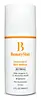
This brightening serum is formulated around Ascorbic Acid and Tartaric Acid to brighten dull-looking skin and refine skin texture.
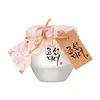
This barrier-repair moisturizer is formulated around Niacinamide and Adenosine to strengthen the skin barrier and hydrate skin.


What's inside
What's inside
 Key Ingredients
Benefits
Concerns
Ingredients Side-by-side


Water
Skin ConditioningGlycerin
Humectant


Butylene Glycol
Humectant
Niacinamide
Smoothing









Dipentaerythrityl Hexa C5-9 Acid Esters
Skin ConditioningSodium Hyaluronate
Humectant
Xanthan Gum
EmulsifyingCyclopentasiloxane
Emollient
Cyclohexasiloxane
Emollient
Polyacrylate-13
Polyisobutene
Polysorbate 20
Emulsifying

Hydrogenated Lecithin
Emulsifying
C14-28 Alkyl Acid
Stearyl Alcohol
Emollient
Behenyl Alcohol
Emollient
Dimethicone/Vinyl Dimethicone Crosspolymer
Skin Conditioning
Dimethicone
Emollient
Adenosine
Skin Conditioning
Glyceryl Stearate Se
Emulsifying


Cetearyl Alcohol
Emollient
Polyglyceryl-3 Methylglucose Distearate
Emulsifying
Cetyl PEG/PPG-10/1 Dimethicone
Emulsifying
Stearic Acid
Cleansing
Tocopheryl Acetate
Antioxidant

Sodium Polyacrylate
Absorbent
Olea Europaea Fruit Oil
Masking

Helianthus Annuus Seed Oil
Emollient
Centella Asiatica Extract
Cleansing
Hippophae Rhamnoides Oil
Emollient
Argania Spinosa Kernel Oil
Emollient
Butyrospermum Parkii Butter
Skin Conditioning
Ceramide NP
Skin Conditioning
Trehalose
Humectant
Calendula Officinalis Flower Extract
Masking
Caprylhydroxamic Acid
Chelating1,2-Hexanediol
Skin Conditioning
Raphanus Sativus Leaf Extract
HumectantOryza Sativa Bran Extract
Skin Conditioning
Cucurbitaceae Extract
Skin ConditioningOrchid Extract
Skin ConditioningHoney Extract
Humectant
Panax Ginseng Root Extract
Emollient
Carthamus Tinctorius Seed Oil
Masking
Phytosphingosine
Skin Conditioning
Ceteareth-20
Cleansing
Glyceryl Citrate/Lactate/Linoleate/Oleate
Emulsifying
Parfum
Masking

Water, Glycerin, Butylene Glycol, Niacinamide, Dipentaerythrityl Hexa C5-9 Acid Esters, Sodium Hyaluronate, Xanthan Gum, Cyclopentasiloxane, Cyclohexasiloxane, Polyacrylate-13, Polyisobutene, Polysorbate 20, Hydrogenated Lecithin, C14-28 Alkyl Acid, Stearyl Alcohol, Behenyl Alcohol, Dimethicone/Vinyl Dimethicone Crosspolymer, Dimethicone, Adenosine, Glyceryl Stearate Se, Cetearyl Alcohol, Polyglyceryl-3 Methylglucose Distearate, Cetyl PEG/PPG-10/1 Dimethicone, Stearic Acid, Tocopheryl Acetate, Sodium Polyacrylate, Olea Europaea Fruit Oil, Helianthus Annuus Seed Oil, Centella Asiatica Extract, Hippophae Rhamnoides Oil, Argania Spinosa Kernel Oil, Butyrospermum Parkii Butter, Ceramide NP, Trehalose, Calendula Officinalis Flower Extract, Caprylhydroxamic Acid, 1,2-Hexanediol, Raphanus Sativus Leaf Extract, Oryza Sativa Bran Extract, Cucurbitaceae Extract, Orchid Extract, Honey Extract, Panax Ginseng Root Extract, Carthamus Tinctorius Seed Oil, Phytosphingosine, Ceteareth-20, Glyceryl Citrate/Lactate/Linoleate/Oleate, Parfum
Reviews
Alternatives
Ingredients Explained
These ingredients are found in both products.
Ingredients higher up in an ingredient list are typically present in a larger amount.
Cyclopentasiloxane (D5) is a lightweight silicone that mostly acts as an emollient and solvent in cosmetics. Its the reason your products feel silky, fast-spreading, and non-greasy.
Since D5 is volatile, it does its thing and then evaporates off the skin quickly.
The safety profile of this ingredient is reassuring; the US CIR Expert Panel concluded D5 is safe as used in cosmetics and Health Canada concluded that D5 is not harmful to human health or the environment as currently used in cosmetics
There's a study that people mention about D5 in a rat study showing tumors. This study is related to long-term inhalation of high D5 levels.
Regulatory bodies have judged this study to be not applicable in topical skincare since skin absorption of D5 is very low and we're not really inhaling huge amounts of D5.
The only restriction for this ingredient is environmental. The European Chemicals Agency (ECHA) restricted D5 in wash-off cosmetics at or above 0.1% due to their persistence in water.
Learn more about CyclopentasiloxaneDimethicone is a type of synthetic silicone created from natural materials such as quartz. It is also known as polydimethylsiloxane.
What it does:
Dimethicone comes in different viscosities:
Depending on the viscosity, dimethicone has different properties.
Ingredients lists don't always show which type is used, so we recommend reaching out to the brand if you have questions about the viscosity.
This ingredient is unlikely to cause irritation because it does not get absorbed into skin. However, people with silicone allergies should be careful about using this ingredient.
Note: Dimethicone may contribute to pilling. This is because it is not oil or water soluble, so pilling may occur when layered with products. When mixed with heavy oils in a formula, the outcome is also quite greasy.
Learn more about DimethiconeSodium Hyaluronate is the salt form of hyaluronic acid. It is a long sugar chain that is naturally found in your skin, joints, and connective tissue that maintains hydration and elasticity.
In skincare, it works as a humectant. It pulls water from the environment and deeper layers of skin and binds it to the surface.
Interestingly, the size of the molecule affects its behavior:
Some clinical evidence links low molecular weight versions to improved wrinkle depth, elasticity, anti-inflammatory effects, and barrier repair.
Many serums use a blend of both weights so you can get surface hydration plus longer-lasting and deeper effects.
You'll typically see concentrations between 0.1-2% for this ingredient.
Learn more about Sodium Hyaluronate

