Beautycounter Countertime Tripeptide Radiance Serum Versus Dr. Zenovia Skincare Peptide + Ceramide Repairing Moisturizer
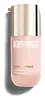
This anti-aging serum is formulated around Bakuchiol to soften the look of wrinkles and brighten dull-looking skin.
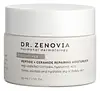
This barrier-repair moisturizer is formulated around Bakuchiol and Ceramide NP to strengthen the skin barrier and soften the look of wrinkles.

What's inside
What's inside
 Key Ingredients
Benefits
Concerns
No concerns
Ingredients Side-by-side
Water
Skin ConditioningPentylene Glycol
Skin Conditioning
Glycerin
Humectant

Maris Sal
Skin ConditioningSqualane
Emollient
Bakuchiol
Antimicrobial







Rhododendron Ferrugineum Extract
MaskingN-Prolyl Palmitoyl Tripeptide-56 Acetate
Skin Conditioning
Betaine
Humectant
Sodium Hyaluronate
Humectant
Ectoin
Skin Conditioning
Phytic Acid
Chelating
Arginine
Masking
Lecithin
Emollient
Panthenol
Skin Conditioning
Pullulan
Silica
Abrasive

Potassium Sorbate
Preservative
Hydroxyethylcellulose
Emulsion StabilisingSclerotium Gum
Emulsion StabilisingCaprylyl Glycol
Emollient
Xanthan Gum
EmulsifyingWater, Pentylene Glycol, Glycerin, Maris Sal, Squalane, Bakuchiol, Rhododendron Ferrugineum Extract, N-Prolyl Palmitoyl Tripeptide-56 Acetate, Betaine, Sodium Hyaluronate, Ectoin, Phytic Acid, Arginine, Lecithin, Panthenol, Pullulan, Silica, Potassium Sorbate, Hydroxyethylcellulose, Sclerotium Gum, Caprylyl Glycol, Xanthan Gum
Water
Skin ConditioningCyclopentasiloxane
Emollient
Sodium PCA
Humectant
Glycerin
Humectant
Caprylic/Capric Triglyceride
Masking
Polysorbate 60
Emulsifying

Cetearyl Alcohol
Emollient


Yucca Glauca Root Extract
Skin ProtectingBakuchiol
Antimicrobial
Dimethicone
Emollient
Cetearyl Glucoside
Emulsifying
Polyacrylamide
C13-14 Isoparaffin
Emollient
Laureth-7
EmulsifyingCeramide NP
Skin Conditioning
Ceramide AP
Skin Conditioning
Ceramide EOP
Skin Conditioning
Sodium Hyaluronate
Humectant
Phytosphingosine
Skin Conditioning
Cholesterol
Emollient
Sodium Lauroyl Lactylate
EmulsifyingCamellia Sinensis Polyphenols
Antioxidant
Malus Domestica Fruit Cell Culture Extract
Skin ConditioningGenistein
Skin ConditioningPunica Granatum Sterols
Skin Conditioning
Cucumis Sativus Fruit Extract
Emollient
Aloe Barbadensis Leaf Juice
Skin Conditioning
Squalane
Emollient
Ceramide Ns
Skin Conditioning
Tetrapeptide-21
Skin Conditioning
Resveratrol
Antioxidant
Bisabolol
Antioxidant
Caffeine
Skin Conditioning
Tocopheryl Acetate
Antioxidant
Lecithin
Emollient
Glyceryl Stearate
Emollient
PEG-100 Stearate
Surfactant
Dimethicone Crosspolymer
Emulsion Stabilising
Carbomer
Emulsion StabilisingXanthan Gum
EmulsifyingPhenoxyethanol
Preservative
Sorbic Acid
Preservative
Caprylyl Glycol
Emollient
Disodium EDTA
ChelatingParfum
Masking


Water, Cyclopentasiloxane, Sodium PCA, Glycerin, Caprylic/Capric Triglyceride, Polysorbate 60, Cetearyl Alcohol, Yucca Glauca Root Extract, Bakuchiol, Dimethicone, Cetearyl Glucoside, Polyacrylamide, C13-14 Isoparaffin, Laureth-7, Ceramide NP, Ceramide AP, Ceramide EOP, Sodium Hyaluronate, Phytosphingosine, Cholesterol, Sodium Lauroyl Lactylate, Camellia Sinensis Polyphenols, Malus Domestica Fruit Cell Culture Extract, Genistein, Punica Granatum Sterols, Cucumis Sativus Fruit Extract, Aloe Barbadensis Leaf Juice, Squalane, Ceramide Ns, Tetrapeptide-21, Resveratrol, Bisabolol, Caffeine, Tocopheryl Acetate, Lecithin, Glyceryl Stearate, PEG-100 Stearate, Dimethicone Crosspolymer, Carbomer, Xanthan Gum, Phenoxyethanol, Sorbic Acid, Caprylyl Glycol, Disodium EDTA, Parfum
Ingredients Explained
These ingredients are found in both products.
Ingredients higher up in an ingredient list are typically present in a larger amount.
Bakuchiol is a plant-derived antioxidant from the seeds of the Psoralea corylifolia plant. It has antimicrobial, emollient, skin conditioning, and antioxidant properties.
You'll likely see it called a "retinol replacement" but the two are technically not related. This is because bakuchiol is able to flip many of the same switches in your skin cells to tell them to:
1) produce more collagen (type I, III, and IV)
2) activate the same genes retinoids do
Unlike retinoids, this ingredient will not increase photosensitivity and is safe to use during pregnancy (but please still check in with your doctor!).
The flagship clinical trial from Dhaliwal et al. 2019 found 0.5% bakuchiol (twice daily) and 0.5% retinol (once daily) reduced wrinkles and hyperpigmentation equally, but bakuchiol had significantly less irritation.
Systematic reviews also back this up:
Bakuchiol is comparable to retinol for photoaging but with better tolerability. It also has mild antibacterial properties against Cutibacterium acnes and antifungal activity in vitro against Candida and dermatophytes.
The reason bakuchiol works well is due to its structure; it is a meroterpene phenol, or a hybrid molecule. The phenol half acts as an antioxidant while the terpene half is fat-loving. This helps the molecule slip through the skin barrier.
This ingredient is usually used between 0.5-2%. Only one case of contact dermatitis has ever been reported for this ingredient.
Learn more about BakuchiolCaprylyl Glycol is a humectant, skin conditioner, emollient, and preservative booster derived from either caprylic acid or synthetically created.
Typical use levels vary from 0.3-1% as a preservative booster and go up to 2% to condition skin.
Because it is not a free-fatty acid, this ingredient is fungal acne safe (there's nothing for Malassezia to feed on).
Learn more about Caprylyl GlycolGlycerin (or glycerol) is a compound naturally found in your skin. It's a powerhouse humectant that pulls water into the stratum corneum.
Topically, glycerin does several things at once:
Your skin makes glycerin on its own (mostly from sebaceous oil breakdown) and shuttles it to your outermost layer of skin, or your epidermis, via aquaporin-3.
Aquaporin-3 is a transporter that is essential for normal skin hydration, elasticity, and repair. Interestingly, mice lacking in AQP3 have dry and less elastic skin that can be fully corrected with glycerin.
This ingredient is non-irritating, plays well with almost every ingredient, and works across all skin types. Typical use is anywhere between 3-10% but can go up to 79% in some leave-on products.
Just know very high concentrations (>40%) can feel tacky in low humidity.
Glycerin is the name for this ingredient in American English. British English uses Glycerol/Glycerine.
Learn more about GlycerinLecithin is a term for a group of substances found in the cell membranes of plants, animals, and humans. They are made up of phospholipids.
Thanks to its amphiphilic structure (water-loving head and oil-loving tail), it is a true multitasker:
It plays well with most ingredients and is typically used at 0.1-1%. However, concentrations up to 50% have been reported in moisturizers.
Learn more about LecithinSodium Hyaluronate is the salt form of hyaluronic acid. It is a long sugar chain that is naturally found in your skin, joints, and connective tissue that maintains hydration and elasticity.
In skincare, it works as a humectant. It pulls water from the environment and deeper layers of skin and binds it to the surface.
Interestingly, the size of the molecule affects its behavior:
Some clinical evidence links low molecular weight versions to improved wrinkle depth, elasticity, anti-inflammatory effects, and barrier repair.
Many serums use a blend of both weights so you can get surface hydration plus longer-lasting and deeper effects.
You'll typically see concentrations between 0.1-2% for this ingredient.
Learn more about Sodium HyaluronateSqualane is the hydrogenated and shelf-stable form of squalene (a lipid that naturally occurs in human sebum).
It is an emollient and skin conditioning agent that is able to integrate seamlessly into the skin's lipid barrier without clogging pores.
This is due to how structurally similar it is to what your skin already produces.
Though it is mostly an emollient that helps soften and hydrate skin, it also has some humectant and occlusive action. Humectants help the skin retain moisture while occlusives seal it in, making squalane a triple-threat moisturizer.
Research shows it has antioxidant capabilities that help protect against stressors like UV exposure, specifically UVA induced oxidative stress. This study also found that it supports collagen biosynthesis in human dermal fibroblasts.
No clinical study has reported significant adverse effects and irritation reactions are very rare from this ingredient (even at 100% concentration).
Overall, it's a fantastic ingredient for hydration and is suitable for all skin types.
This depends on the source. Squalane can be derived from both plants and animals. Most squalane used in skincare comes from plants.
Please note: the source of squalane is only known if disclosed by the brand. We recommend reaching out to the brand if you have any questions about their squalane.
Read more about squalene with an "e".
Though squalane is often called an oil, it’s technically not one. It is a hydrocarbon, meaning it is only made of carbon and hydrogen. True oils are triglycerides and made of fatty acids and glycerol.
The term “oil-free” isn’t regulated so companies can define it however they want. Some exclude all oils, while others just avoid mineral oil or comedogenic oils.
Squalane has a comedogenic rating of 1 from the original 1972 study that tested raw ingredients under occlusion on rabbit ears. This system is not standardized or peer-reviewed, and using the raw ingredients is very different from how diluted cosmetic formulations are used on human skin.
A comedogenic rating of 1 means it is "unlikely to clog pores" according to the original rating system.
The overall formula of a product matters more than the individual ingredients on whether or not it will cause clogged pores.
Learn more about SqualaneWater. It's the most common cosmetic ingredient of all. You'll usually see it at the top of ingredient lists, meaning that it makes up the largest part of the product.
So why is it so popular? Water most often acts as a solvent - this means that it helps dissolve other ingredients into the formulation.
You'll also recognize water as that liquid we all need to stay alive. If you see this, drink a glass of water. Remember to stay hydrated!
Learn more about WaterXanthan gum is used as a stabilizer and thickener within cosmetic products. It helps give products a sticky, thick feeling - preventing them from being too runny.
On the technical side of things, xanthan gum is a polysaccharide - a combination consisting of multiple sugar molecules bonded together.
Xanthan gum is a pretty common and great ingredient. It is a natural, non-toxic, non-irritating ingredient that is also commonly used in food products.
Learn more about Xanthan Gum

