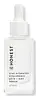
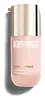
Honest Beauty Stay Hydrated Hyaluronic Acid + NMF Serum Versus Beautycounter Countertime Tripeptide Radiance Serum
This hydrating serum is formulated around Argania Spinosa Kernel Oil and Sodium PCA to hydrate skin and strengthen the skin barrier.
This anti-aging serum is formulated around Bakuchiol to soften the look of wrinkles and brighten dull-looking skin.

What's inside
What's inside
 Key Ingredients
Benefits
Concerns
No concerns
Ingredients Side-by-side
Water
Skin ConditioningArgania Spinosa Kernel Oil
Emollient







Propanediol
Solvent
Actinidia Chinensis Seed Oil
Emollient
Glycerin
Humectant
Betaine
Humectant
Serine
Masking
Alanine
Masking
Glycine
Buffering
PCA
Humectant
Threonine
Arginine
Masking
Proline
Skin Conditioning
Glutamic Acid
Humectant
Lysine Hcl
Skin Conditioning
Sodium Lactate
Buffering
Sodium PCA
Humectant
Hydrolyzed Sodium Hyaluronate
Skin Conditioning
Sodium Acetylated Hyaluronate
Humectant

Nephelium Lappaceum Peel Extract
Skin ConditioningTocopherol
Antioxidant



Trisodium Ethylenediamine Disuccinate
1,2-Hexanediol
Skin Conditioning
Caprylyl Glycol
Emollient
Hydroxyacetophenone
Antioxidant
Lysolecithin
EmulsifyingSclerotium Gum
Emulsion StabilisingXanthan Gum
EmulsifyingPullulan
Silica
Abrasive

Sodium Hydroxide
BufferingWater, Argania Spinosa Kernel Oil, Propanediol, Actinidia Chinensis Seed Oil, Glycerin, Betaine, Serine, Alanine, Glycine, PCA, Threonine, Arginine, Proline, Glutamic Acid, Lysine Hcl, Sodium Lactate, Sodium PCA, Hydrolyzed Sodium Hyaluronate, Sodium Acetylated Hyaluronate, Nephelium Lappaceum Peel Extract, Tocopherol, Trisodium Ethylenediamine Disuccinate, 1,2-Hexanediol, Caprylyl Glycol, Hydroxyacetophenone, Lysolecithin, Sclerotium Gum, Xanthan Gum, Pullulan, Silica, Sodium Hydroxide
Water
Skin ConditioningPentylene Glycol
Skin Conditioning
Glycerin
Humectant
Maris Sal
Skin ConditioningSqualane
Emollient
Bakuchiol
Antimicrobial

Rhododendron Ferrugineum Extract
MaskingN-Prolyl Palmitoyl Tripeptide-56 Acetate
Skin Conditioning
Betaine
Humectant
Sodium Hyaluronate
Humectant
Ectoin
Skin Conditioning
Phytic Acid

Arginine
Masking
Lecithin
Emollient
Panthenol
Skin Conditioning
Pullulan
Silica
Abrasive
Potassium Sorbate
Preservative
Hydroxyethylcellulose
Emulsion StabilisingSclerotium Gum
Emulsion StabilisingCaprylyl Glycol
Emollient
Xanthan Gum
EmulsifyingWater, Pentylene Glycol, Glycerin, Maris Sal, Squalane, Bakuchiol, Rhododendron Ferrugineum Extract, N-Prolyl Palmitoyl Tripeptide-56 Acetate, Betaine, Sodium Hyaluronate, Ectoin, Phytic Acid, Arginine, Lecithin, Panthenol, Pullulan, Silica, Potassium Sorbate, Hydroxyethylcellulose, Sclerotium Gum, Caprylyl Glycol, Xanthan Gum
Ingredients Explained
These ingredients are found in both products.
Ingredients higher up in an ingredient list are typically present in a larger amount.
Arginine is a semi-essential amino acid. This just means our bodies can product a bit on its own, but sometimes needs a little boost from food sources.
It is a part of your skin's natural moisturizing factor (NMF), or the water-loving molecules in your outermost layer of skin (stratum corneum) that keeps everything hydrated and happy.
Here's an interesting thing about Arginine: your skin converts it into urea through the Krebs-Henseleit urea cycle. Urea is one of the most effective humectants your skin naturally produces.
A clinical study showed applying 2.5% arginine hydrochloride to atopic dermatitis skin showed significant urea levels in the stratum corneum and improved moisture in just four weeks.
Arginine is also a precursor to nitric oxide; nitric oxide improves microcirculation and supports wound healing and collagen synthesis.
One study found that an amino acid complex containing Arginine reduced skin irritation, improved hydration, and accelerated skin repair in clinical / in-vivo studies.
Arginine itself is an amino acid and not a fatty acid, oil, or ester. On its own, it's not a direct food source for Malassezia, or the yeast that causes fungal acne.
Learn more about ArginineBetaine is a humectant. Like hyaluronic acid, it helps attract and retain moisture in the skin. It’s known for being gentle and for helping the skin maintain balanced hydration.
Betaine is mainly used to improve hydration and support calmer skin. It helps skin cells regulate water balance because it functions as an osmolyte.
Some studies suggest betaine may support making skin tone more even.
Fun fact: Betaine naturally exists in the skin and the body. In cosmetic products, it can be either plant-derived (most commonly from sugar beets) or synthetically produced for consistency and stability.
Betaine is also known as trimethylglycine.
Learn more about BetaineCaprylyl Glycol is a humectant, skin conditioner, emollient, and preservative booster derived from either caprylic acid or synthetically created.
Typical use levels vary from 0.3-1% as a preservative booster and go up to 2% to condition skin.
Because it is not a free-fatty acid, this ingredient is fungal acne safe (there's nothing for Malassezia to feed on).
Learn more about Caprylyl GlycolGlycerin (or glycerol) is a compound naturally found in your skin. It's a powerhouse humectant that pulls water into the stratum corneum.
Topically, glycerin does several things at once:
Your skin makes glycerin on its own (mostly from sebaceous oil breakdown) and shuttles it to your outermost layer of skin, or your epidermis, via aquaporin-3.
Aquaporin-3 is a transporter that is essential for normal skin hydration, elasticity, and repair. Interestingly, mice lacking in AQP3 have dry and less elastic skin that can be fully corrected with glycerin.
This ingredient is non-irritating, plays well with almost every ingredient, and works across all skin types. Typical use is anywhere between 3-10% but can go up to 79% in some leave-on products.
Just know very high concentrations (>40%) can feel tacky in low humidity.
Glycerin is the name for this ingredient in American English. British English uses Glycerol/Glycerine.
Learn more about GlycerinPullulan is a low viscosity polysaccharide (a long chain carbohydrate) with binding and film forming properties when dissolved in water. It is used to create a "silicone-like" or silky feel in cosmetics without adding viscosity.
According to a manufacturer, this ingredient's ability to easily dissolves makes it a great carrier for active ingredients.
Due to it being edible and tasteless, you'll likely find this ingredient in breath freshener strips. This ingredient is produced from the starch of the fungus, Aureobasidium pullulans.
Pullulan is stable over a broad-range of pH.
Learn more about PullulanSclerotium Gum is a natural sugar-based fiber made by fermenting a fungus called Sclerotium rolfsii. It's often used as the plant-friendly alternative for synthetic thickeners like carbomer.
In skincare, it works as a thickener, gel former, and stabilizer that keeps heavy ingredients suspended so a product does not separate.
It is non-ionic and forms a triple helix in solution. This is just a fancy way of saying it builds a smooth, cushiony, and non-sticky gel that feels silkier than many other gums.
Another perk of this ingredient is that it is very sturdy and holds up across a wide pH range (~2-11). It's also good at resisting heat and hydrolysis.
Since it holds water at the skin surface, it can provide some light hydration as well.
Typical use levels are around 0.25-2%; formulators usually use 0.2-0.5% to thicken lotions and up to 2% for a firmer gel base.
This ingredient has been found safe in cosmetics with no meaningful evidence of skin sensitization.
Learn more about Sclerotium GumSilica, also known as silicon dioxide, is a naturally occurring mineral. It is used as a fine, spherical, and porous powder in cosmetics.
Though it has exfoliant properties, the function of silica varies depending on the product.
The unique structure of silica enhances the spreadability and adds smoothness, making it a great texture enhancer.
It is also used as an active carrier, emulsifier, and mattifier due to its ability to absorb excess oil.
In some products, tiny microneedles called spicules are made from silica or hydrolyzed sponge. When you rub them in, they lightly polish away dead skin layers and enhance the penetration of active ingredients.
Learn more about SilicaWater. It's the most common cosmetic ingredient of all. You'll usually see it at the top of ingredient lists, meaning that it makes up the largest part of the product.
So why is it so popular? Water most often acts as a solvent - this means that it helps dissolve other ingredients into the formulation.
You'll also recognize water as that liquid we all need to stay alive. If you see this, drink a glass of water. Remember to stay hydrated!
Learn more about WaterXanthan gum is used as a stabilizer and thickener within cosmetic products. It helps give products a sticky, thick feeling - preventing them from being too runny.
On the technical side of things, xanthan gum is a polysaccharide - a combination consisting of multiple sugar molecules bonded together.
Xanthan gum is a pretty common and great ingredient. It is a natural, non-toxic, non-irritating ingredient that is also commonly used in food products.
Learn more about Xanthan Gum

