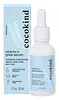
This brightening serum is formulated around Aloe Barbadensis Leaf Juice and Ascorbyl Glucoside to brighten dull-looking skin and fade the look of dark spots.
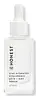
This hydrating serum is formulated around Argania Spinosa Kernel Oil and Sodium PCA to hydrate skin and strengthen the skin barrier.

What's inside
What's inside
 Key Ingredients
Benefits
Concerns
Ingredients Side-by-side
Aloe Barbadensis Leaf Juice
Skin Conditioning


Water
Skin ConditioningGlycerin
Humectant

Polyglycerin-6
HumectantPentylene Glycol
Skin Conditioning
Ascorbyl Glucoside
Antioxidant



Azelaic Acid
Buffering





Propanediol
Solvent
Xanthan Gum
EmulsifyingCaprylyl Glyceryl Ether
CleansingSodium Hydroxide
BufferingSodium Citrate
BufferingBetaine
Humectant
Caulerpa Lentillifera Extract


Caprylhydroxamic Acid
Sodium Hyaluronate
Humectant
Sodium Phytate
Sodium Benzoate
Masking
Citric Acid
Buffering

Aloe Barbadensis Leaf Juice, Water, Glycerin, Polyglycerin-6, Pentylene Glycol, Ascorbyl Glucoside, Azelaic Acid, Propanediol, Xanthan Gum, Caprylyl Glyceryl Ether, Sodium Hydroxide, Sodium Citrate, Betaine, Caulerpa Lentillifera Extract, Caprylhydroxamic Acid, Sodium Hyaluronate, Sodium Phytate, Sodium Benzoate, Citric Acid
Water
Skin ConditioningArgania Spinosa Kernel Oil
Emollient

Propanediol
Solvent
Actinidia Chinensis Seed Oil
Emollient
Glycerin
Humectant
Betaine
Humectant
Serine
Masking
Alanine
Masking
Glycine
Buffering
PCA
Humectant
Threonine
Arginine
Masking
Proline
Skin Conditioning
Glutamic Acid
Humectant
Lysine Hcl
Skin Conditioning
Sodium Lactate
Buffering
Sodium PCA
Humectant
Hydrolyzed Sodium Hyaluronate
Skin Conditioning
Sodium Acetylated Hyaluronate
Humectant
Nephelium Lappaceum Peel Extract
Skin ConditioningTocopherol
Antioxidant
Trisodium Ethylenediamine Disuccinate
1,2-Hexanediol
Skin Conditioning
Caprylyl Glycol
Emollient
Hydroxyacetophenone
Antioxidant
Lysolecithin
EmulsifyingSclerotium Gum
Emulsion StabilisingXanthan Gum
EmulsifyingPullulan
Silica
Abrasive
Sodium Hydroxide
BufferingWater, Argania Spinosa Kernel Oil, Propanediol, Actinidia Chinensis Seed Oil, Glycerin, Betaine, Serine, Alanine, Glycine, PCA, Threonine, Arginine, Proline, Glutamic Acid, Lysine Hcl, Sodium Lactate, Sodium PCA, Hydrolyzed Sodium Hyaluronate, Sodium Acetylated Hyaluronate, Nephelium Lappaceum Peel Extract, Tocopherol, Trisodium Ethylenediamine Disuccinate, 1,2-Hexanediol, Caprylyl Glycol, Hydroxyacetophenone, Lysolecithin, Sclerotium Gum, Xanthan Gum, Pullulan, Silica, Sodium Hydroxide
Reviews
Ingredients Explained
These ingredients are found in both products.
Ingredients higher up in an ingredient list are typically present in a larger amount.
Betaine is a humectant. Like hyaluronic acid, it helps attract and retain moisture in the skin. It’s known for being gentle and for helping the skin maintain balanced hydration.
Betaine is mainly used to improve hydration and support calmer skin. It helps skin cells regulate water balance because it functions as an osmolyte.
Some studies suggest betaine may support making skin tone more even.
Fun fact: Betaine naturally exists in the skin and the body. In cosmetic products, it can be either plant-derived (most commonly from sugar beets) or synthetically produced for consistency and stability.
Betaine is also known as trimethylglycine.
Learn more about BetaineGlycerin (or glycerol) is a compound naturally found in your skin. It's a powerhouse humectant that pulls water into the stratum corneum.
Topically, glycerin does several things at once:
Your skin makes glycerin on its own (mostly from sebaceous oil breakdown) and shuttles it to your outermost layer of skin, or your epidermis, via aquaporin-3.
Aquaporin-3 is a transporter that is essential for normal skin hydration, elasticity, and repair. Interestingly, mice lacking in AQP3 have dry and less elastic skin that can be fully corrected with glycerin.
This ingredient is non-irritating, plays well with almost every ingredient, and works across all skin types. Typical use is anywhere between 3-10% but can go up to 79% in some leave-on products.
Just know very high concentrations (>40%) can feel tacky in low humidity.
Glycerin is the name for this ingredient in American English. British English uses Glycerol/Glycerine.
Learn more about GlycerinPropanediol is an all-star ingredient. It softens, hydrates, and smooths the skin.
It’s often used to:
Propanediol is not likely to cause sensitivity and considered safe to use. It is derived from corn or petroleum with a clear color and no scent.
Learn more about PropanediolSodium Hydroxide is also known as lye or caustic soda. It is used to adjust the pH of products; many ingredients require a specific pH to be effective.
In small amounts, sodium hydroxide is considered safe to use. However, large amounts may cause chemical burns due to its high alkaline.
Your skin has a natural pH and acid mantle. This acid mantle helps prevent harmful bacteria from breaking through. The acid mantle also helps keep your skin hydrated.
"Alkaline" refers to a high pH level. A low pH level would be considered acidic.
Learn more about Sodium HydroxideWater. It's the most common cosmetic ingredient of all. You'll usually see it at the top of ingredient lists, meaning that it makes up the largest part of the product.
So why is it so popular? Water most often acts as a solvent - this means that it helps dissolve other ingredients into the formulation.
You'll also recognize water as that liquid we all need to stay alive. If you see this, drink a glass of water. Remember to stay hydrated!
Learn more about WaterXanthan gum is used as a stabilizer and thickener within cosmetic products. It helps give products a sticky, thick feeling - preventing them from being too runny.
On the technical side of things, xanthan gum is a polysaccharide - a combination consisting of multiple sugar molecules bonded together.
Xanthan gum is a pretty common and great ingredient. It is a natural, non-toxic, non-irritating ingredient that is also commonly used in food products.
Learn more about Xanthan Gum

