Beauty Pie Triple Hyaluronic Acid + Peptide Serum Versus Charlotte Tilbury Charlotte's Magic Serum Crystal Elixir
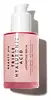
This hydrating serum is formulated around Hydrolyzed Hyaluronic Acid and Acetyl Dipeptide-1 Cetyl Ester to hydrate skin and soften the look of wrinkles.
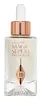
This anti-aging serum is formulated around Niacinamide and Polyglutamic Acid to soften the look of wrinkles and brighten dull-looking skin.


What's inside
What's inside
 Key Ingredients
Benefits
Concerns
Ingredients Side-by-side
Water
Skin ConditioningMethylpropanediol
SolventDimethylsilanol Hyaluronate
Humectant
Glycerin
Humectant


Butylene Glycol
Humectant
Xylitylglucoside
Humectant
Anhydroxylitol
Humectant
1,2-Hexanediol
Skin Conditioning
Phenoxyethanol
Preservative
Xylitol
Humectant
Prunus Amygdalus Dulcis Seed Extract
Skin ConditioningHydroxyethyl Acrylate/Sodium Acryloyldimethyl Taurate Copolymer
Emulsion StabilisingHydrolyzed Hyaluronic Acid
Humectant
Sorbitan Laurate
Emulsifying

Sodium Hyaluronate
Humectant
Xanthan Gum
EmulsifyingHydroxyethylcellulose
Emulsion StabilisingCaprylyl Glycol
Emollient
Ethylhexylglycerin
Skin ConditioningTetrasodium Glutamate Diacetate
ChelatingAcetyl Dipeptide-1 Cetyl Ester
Skin Conditioning

Alteromonas Ferment Extract
Skin Conditioning
Phenethyl Alcohol
MaskingHyaluronic Acid
Humectant
Silanetriol
Citric Acid
Buffering

Sorbic Acid
Preservative
Glucose
Humectant
Sodium Hydroxide
BufferingChondrus Crispus Extract
Skin Conditioning

Water, Methylpropanediol, Dimethylsilanol Hyaluronate, Glycerin, Butylene Glycol, Xylitylglucoside, Anhydroxylitol, 1,2-Hexanediol, Phenoxyethanol, Xylitol, Prunus Amygdalus Dulcis Seed Extract, Hydroxyethyl Acrylate/Sodium Acryloyldimethyl Taurate Copolymer, Hydrolyzed Hyaluronic Acid, Sorbitan Laurate, Sodium Hyaluronate, Xanthan Gum, Hydroxyethylcellulose, Caprylyl Glycol, Ethylhexylglycerin, Tetrasodium Glutamate Diacetate, Acetyl Dipeptide-1 Cetyl Ester, Alteromonas Ferment Extract, Phenethyl Alcohol, Hyaluronic Acid, Silanetriol, Citric Acid, Sorbic Acid, Glucose, Sodium Hydroxide, Chondrus Crispus Extract
Water
Skin ConditioningNiacinamide
Smoothing





Glycereth-26
Humectant
Triheptanoin
Skin ConditioningGlycerin
Humectant
Methyl Gluceth-20
Humectant
Silica
Abrasive
Camellia Oleifera Seed Oil
Skin Conditioning
Quartz Powder
Abrasive
Amethyst Powder
Abrasive
Ruby Powder
Skin ConditioningGold
Cosmetic ColorantButyrospermum Parkii Oil
Emollient
Phenoxyethanol
Preservative
Dimethyl Isosorbide
SolventPolysorbate 20
Emulsifying
Glyceryl Stearate
Emollient
Butylene Glycol
Humectant
Octyldodecyl Oleate
Emollient
Benzyl Alcohol
Perfuming




Myrothamnus Flabellifolia Leaf Extract
EmollientPEG-100 Stearate
Surfactant
Octyldodecyl Stearoyl Stearate
Emollient
Schisandra Chinensis Fruit Extract
Skin Conditioning
Carbomer
Emulsion StabilisingSodium Gluconate
ChelatingSodium Hyaluronate
Humectant
Chondrus Crispus Extract
Skin Conditioning
Sodium Hydroxide
BufferingSaussurea Involucrata Callus Extract
Antioxidant
Tocopheryl Acetate
Antioxidant
Aloe Barbadensis Leaf Juice
Skin Conditioning
Polyglutamic Acid
Skin Conditioning
Pentylene Glycol
Skin Conditioning
Sorbitol
Humectant
Magnesium Aspartate
Skin ConditioningZinc Gluconate
Skin Conditioning
Rosa Canina Fruit Extract
Astringent
Polyhydroxystearic Acid
Emulsifying
Octyldodecanol
Emollient
Sodium Benzoate
Masking
Propanediol
Solvent
Biosaccharide Gum-4
Skin Conditioning
Xanthan Gum
EmulsifyingParfum
Masking
Plumeria Alba Flower Extract
Skin ConditioningPlumeria Rubra Flower Extract
Skin ConditioningLithothamnion Calcareum Extract
Skin ConditioningLactic Acid
Buffering
Potassium Sorbate
Preservative
Caprylyl Glycol
Emollient
Copper Gluconate
Skin Conditioning
Hydrated Silica
Abrasive
1,2-Hexanediol
Skin Conditioning
Citric Acid
Buffering
Solanum Tuberosum Pulp Extract
SmoothingAcetyl Tetrapeptide-11
Skin Conditioning
Acetyl Tetrapeptide-9
Skin Conditioning
Dehydroacetic Acid
Preservative
Ascorbic Acid
Antioxidant
Glutathione
Limonene
Perfuming
Geraniol
Perfuming
Citronellol
Perfuming
Linalool
Perfuming
Citral
Perfuming
Water, Niacinamide, Glycereth-26, Triheptanoin, Glycerin, Methyl Gluceth-20, Silica, Camellia Oleifera Seed Oil, Quartz Powder, Amethyst Powder, Ruby Powder, Gold, Butyrospermum Parkii Oil, Phenoxyethanol, Dimethyl Isosorbide, Polysorbate 20, Glyceryl Stearate, Butylene Glycol, Octyldodecyl Oleate, Benzyl Alcohol, Myrothamnus Flabellifolia Leaf Extract, PEG-100 Stearate, Octyldodecyl Stearoyl Stearate, Schisandra Chinensis Fruit Extract, Carbomer, Sodium Gluconate, Sodium Hyaluronate, Chondrus Crispus Extract, Sodium Hydroxide, Saussurea Involucrata Callus Extract, Tocopheryl Acetate, Aloe Barbadensis Leaf Juice, Polyglutamic Acid, Pentylene Glycol, Sorbitol, Magnesium Aspartate, Zinc Gluconate, Rosa Canina Fruit Extract, Polyhydroxystearic Acid, Octyldodecanol, Sodium Benzoate, Propanediol, Biosaccharide Gum-4, Xanthan Gum, Parfum, Plumeria Alba Flower Extract, Plumeria Rubra Flower Extract, Lithothamnion Calcareum Extract, Lactic Acid, Potassium Sorbate, Caprylyl Glycol, Copper Gluconate, Hydrated Silica, 1,2-Hexanediol, Citric Acid, Solanum Tuberosum Pulp Extract, Acetyl Tetrapeptide-11, Acetyl Tetrapeptide-9, Dehydroacetic Acid, Ascorbic Acid, Glutathione, Limonene, Geraniol, Citronellol, Linalool, Citral
Reviews
Ingredients Explained
These ingredients are found in both products.
Ingredients higher up in an ingredient list are typically present in a larger amount.
1,2-Hexanediol is a synthetic liquid and another multi-functional powerhouse.
It is a:
- Humectant, drawing moisture into the skin
- Emollient, helping to soften skin
- Solvent, dispersing and stabilizing formulas
- Preservative booster, enhancing the antimicrobial activity of other preservatives
Butylene Glycol (or BG) is used within cosmetic products for a few different reasons:
Overall, Butylene Glycol is a safe and well-rounded ingredient that works well with other ingredients.
Though this ingredient works well with most skin types, some people with sensitive skin may experience a reaction such as allergic rashes, closed comedones, or itchiness.
Learn more about Butylene GlycolCaprylyl Glycol is a humectant, skin conditioner, emollient, and preservative booster derived from either caprylic acid or synthetically created.
Typical use levels vary from 0.3-1% as a preservative booster and go up to 2% to condition skin.
Because it is not a free-fatty acid, this ingredient is fungal acne safe (there's nothing for Malassezia to feed on).
Learn more about Caprylyl GlycolThis ingredient comes from the red seaweed that grows along the North Atlantic. It's the same alga that gives us carrageenan, the thickener in your oat milk.
The extract is mostly big sulfated sugar molecules (polysaccharides) plus some minerals and protein.
What those sugars do is simple and useful: they hold onto water and form a light film on the skin. That means they boost hydration, add a bit of slip, and leave a soft, cushiony feel.
It also helps with texture and thickness.
You'll see claims about anti-aging and "second skin" effects but those come mostly from supplier marketing.
The real research is cell-culture stuff and there's no human trial on this ingredient specifically (yet). So for now, treat it as a nice hydrator and texture helper, not an active.
Safety-wise, it's pretty solid. The Cosmetic Ingredient Review panel rated it safe as used, human sensitization tests came back negative, and it wasn't irritating in skin or eye tests.
Typical use levels are 0.5% or lower.
You'll see algae listed as a 5/5 on a lot of pore-clogging charts and that number doesn't come from anywhere; it's not in the original rabbit-ear studies that most comedogenic ratings trace back to.
The reasoning behind the reputation is that seaweed is high in iodine and iodine can trigger acne-like breakouts when eaten. This traces back to a 1976 letter in Archives of Dermatology describing two women whose breakouts cleared after they stopped taking high-dose kelp supplements orally.
And the reaction of these two women wasn't clogged pores at all: it was an iodine-triggered pustular rash. Later research found normal dietary iodine doesn't meaningfully affect acne either and nobody has shown topical algae delivers enough iodine to matter.
What we do have is dozens of brown and red algae ingredients found to be non-irritating and non-sensitizing, and a handful of studies that found algae compounds may actually help acne.
However, plenty of people do report breaking out from algae-containing products. Skin is individual and it's worth avoiding if yours has reacted to algae before.
Learn more about Chondrus Crispus ExtractCitric Acid is an alpha hydroxy acid (AHA) naturally found in citrus fruits like oranges, lemons, and limes.
Like other AHAs, citric acid can exfoliate skin by breaking down the bonds that hold dead skin cells together. This helps reveal smoother and brighter skin underneath.
However, this exfoliating effect only happens at high concentrations (20%) which can be hard to find in cosmetic products.
Due to this, citric acid is usually included in small amounts as a pH adjuster. This helps keep products slightly more acidic and compatible with skin's natural pH.
In skincare formulas, citric acid can:
While it can provide some skin benefits, research shows lactic acid and glycolic acid are generally more effective and less irritating exfoliants.
Most citric acid used in skincare today is made by fermenting sugars (usually from molasses). This synthetic version is identical to the natural citrus form but easier to stabilize and use in formulations.
Rosacea skin has a lower threshold for acids generally, with 62.5% of rosacea subjects in one study reacting to lactic acid in a sting test. This is why we mark citric acid as a potential rosacea trigger.
However, this ingredient shows up as a pH adjuster or chelator at roughly 0.1-1% in many products. These low levels are unlikely to be an issue for rosacea skin and becomes a potential trigger at exfoliating concentrations (20%). Because everybody's skin is unique, we recommend a patch test if you are unsure.
Learn more about Citric AcidGlycerin (or glycerol) is a compound naturally found in your skin. It's a powerhouse humectant that pulls water into the stratum corneum.
Topically, glycerin does several things at once:
Your skin makes glycerin on its own (mostly from sebaceous oil breakdown) and shuttles it to your outermost layer of skin, or your epidermis, via aquaporin-3.
Aquaporin-3 is a transporter that is essential for normal skin hydration, elasticity, and repair. Interestingly, mice lacking in AQP3 have dry and less elastic skin that can be fully corrected with glycerin.
This ingredient is non-irritating, plays well with almost every ingredient, and works across all skin types. Typical use is anywhere between 3-10% but can go up to 79% in some leave-on products.
Just know very high concentrations (>40%) can feel tacky in low humidity.
Glycerin is the name for this ingredient in American English. British English uses Glycerol/Glycerine.
Learn more about GlycerinPhenoxyethanol is one of the most widely used preservatives in skincare (and for good reason!).
It has a large spectrum of antimicrobial activity and especially effective bacteria, yeast, and mold while only having a weak effect on your skin's natural microbiome.
On a cellular level, it disrupts the cell membranes of microbes by poking holes that make the cell leak. This shuts down the chemical reactions the microbe needs to make energy so it can no longer survive.
Another perk of this ingredient is that it stays functional across a wide pH range (3-10).
You'll often see it paired with boosters like Ethylhexylglycerin; one study showed that a 1:9 ratio of Ethylhexylglycerin to Phenoxyethanol damages bacterial membranes as effectively as doubling the Phenoxyethanol concentration on its own.
Typical use concentrations range from 0.3-1% depending on the formula, and this ingredient is capped at 1% int the EU.
Safety-wise, the fear mongering does not hold up to the evidence. The EU's Scientific Committee on Consumer Safety and FDA consider it safe as a preservative at up to 1%, including for children of all ages.
Adverse systemic effects only showed up in animal studies at exposures roughly 200x higher than what people get from cosmetics. And despite its very widespread use, this ingredient is a rare sensitizer and allergic reactions are uncommon.
Learn more about PhenoxyethanolSodium Hyaluronate is the salt form of hyaluronic acid. It is a long sugar chain that is naturally found in your skin, joints, and connective tissue that maintains hydration and elasticity.
In skincare, it works as a humectant. It pulls water from the environment and deeper layers of skin and binds it to the surface.
Interestingly, the size of the molecule affects its behavior:
Some clinical evidence links low molecular weight versions to improved wrinkle depth, elasticity, anti-inflammatory effects, and barrier repair.
Many serums use a blend of both weights so you can get surface hydration plus longer-lasting and deeper effects.
You'll typically see concentrations between 0.1-2% for this ingredient.
Learn more about Sodium HyaluronateSodium Hydroxide is also known as lye or caustic soda. It is used to adjust the pH of products; many ingredients require a specific pH to be effective.
In small amounts, sodium hydroxide is considered safe to use. However, large amounts may cause chemical burns due to its high alkaline.
Your skin has a natural pH and acid mantle. This acid mantle helps prevent harmful bacteria from breaking through. The acid mantle also helps keep your skin hydrated.
"Alkaline" refers to a high pH level. A low pH level would be considered acidic.
Learn more about Sodium HydroxideWater. It's the most common cosmetic ingredient of all. You'll usually see it at the top of ingredient lists, meaning that it makes up the largest part of the product.
So why is it so popular? Water most often acts as a solvent - this means that it helps dissolve other ingredients into the formulation.
You'll also recognize water as that liquid we all need to stay alive. If you see this, drink a glass of water. Remember to stay hydrated!
Learn more about WaterXanthan gum is used as a stabilizer and thickener within cosmetic products. It helps give products a sticky, thick feeling - preventing them from being too runny.
On the technical side of things, xanthan gum is a polysaccharide - a combination consisting of multiple sugar molecules bonded together.
Xanthan gum is a pretty common and great ingredient. It is a natural, non-toxic, non-irritating ingredient that is also commonly used in food products.
Learn more about Xanthan Gum

