Beauty of Joseon Revive Eye Serum : Ginseng + Retinal Versus GLAMFOX Double Effect Retinol + Collagen Serum
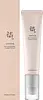
This anti-aging eye moisturizer is formulated around Panax Ginseng Root Extract and Niacinamide to soften the look of wrinkles and refine skin texture.
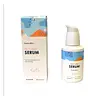
This hydrating serum is formulated around Retinyl Palmitate and Panthenol to hydrate skin.

What's inside
What's inside
 Key Ingredients
Benefits
Concerns
Ingredients Side-by-side
Water
Skin ConditioningPanax Ginseng Root Extract
Emollient



Glycerin
Humectant
Dipropylene Glycol
HumectantCaprylic/Capric Triglyceride
Masking
1,2-Hexanediol
Skin Conditioning
Pentaerythrityl Tetraethylhexanoate
Emollient
Niacinamide
Smoothing







Butylene Glycol Dicaprylate/Dicaprate
EmollientCetearyl Alcohol
Emollient





Sorbitan Olivate
Emulsifying
Cetearyl Olivate
Butylene Glycol
Humectant
Hydrogenated Lecithin
Emulsifying
Tromethamine
BufferingCarbomer
Emulsion StabilisingGlyceryl Stearate
Emollient
Macadamia Ternifolia Seed Oil
Emollient
Adenosine
Skin Conditioning
Theobroma Cacao Extract
Skin ConditioningDextrin
AbsorbentCholesterol
Emollient
Polyglyceryl-10 Oleate
Skin Conditioning
Retinal
Skin Conditioning

Brassica Campestris Sterols
EmollientPhytosteryl/Behenyl/Octyldodecyl Lauroyl Glutamate
Skin ConditioningSilica
Abrasive
Sodium Hyaluronate
Humectant
Tocopherol
Antioxidant

Aluminum/Magnesium Hydroxide Stearate
Emulsion StabilisingPotassium Cetyl Phosphate
EmulsifyingPentaerythrityl Tetra-Di-T-Butyl Hydroxyhydrocinnamate
Antioxidant
Ceramide NP
Skin Conditioning
Palmitoyl Tripeptide-5
Skin Conditioning
Disodium EDTA
ChelatingEthylhexylglycerin
Skin ConditioningWater, Panax Ginseng Root Extract, Glycerin, Dipropylene Glycol, Caprylic/Capric Triglyceride, 1,2-Hexanediol, Pentaerythrityl Tetraethylhexanoate, Niacinamide, Butylene Glycol Dicaprylate/Dicaprate, Cetearyl Alcohol, Sorbitan Olivate, Cetearyl Olivate, Butylene Glycol, Hydrogenated Lecithin, Tromethamine, Carbomer, Glyceryl Stearate, Macadamia Ternifolia Seed Oil, Adenosine, Theobroma Cacao Extract, Dextrin, Cholesterol, Polyglyceryl-10 Oleate, Retinal, Brassica Campestris Sterols, Phytosteryl/Behenyl/Octyldodecyl Lauroyl Glutamate, Silica, Sodium Hyaluronate, Tocopherol, Aluminum/Magnesium Hydroxide Stearate, Potassium Cetyl Phosphate, Pentaerythrityl Tetra-Di-T-Butyl Hydroxyhydrocinnamate, Ceramide NP, Palmitoyl Tripeptide-5, Disodium EDTA, Ethylhexylglycerin
Water
Skin ConditioningButylene Glycol
Humectant
Glycerin
Humectant
Dimethicone
Emollient
Caprylic/Capric Triglyceride
Masking
1,2-Hexanediol
Skin Conditioning
Cetearyl Olivate
Panthenol
Skin Conditioning
Sorbitan Olivate
Emulsifying
Sodium Acrylate/Sodium Acryloyldimethyl Taurate Copolymer
Emulsion StabilisingCeteareth-20
Cleansing
Helianthus Annuus Seed Oil
Emollient
Isohexadecane
EmollientRetinyl Palmitate
Skin Conditioning
Sodium Hyaluronate
Humectant
Polysorbate 80
Emulsifying
Tocopheryl Acetate
Antioxidant
Simmondsia Chinensis Seed Oil
Emollient
Argania Spinosa Kernel Oil
Emollient
Allantoin
Skin Conditioning
Hydrogenated Polyisobutene
EmollientOlea Europaea Fruit Oil
Masking
Parfum
Masking
Adenosine
Skin Conditioning
Glycine Soja Oil
Emollient
Ethylhexylglycerin
Skin ConditioningDisodium EDTA
ChelatingOlea Europaea Husk Oil
Skin Conditioning
Hydrolyzed Collagen
Emollient
Tocopherol
Antioxidant
Bixa Orellana Seed Oil
Emollient
Anemarrhena Asphodeloides Root Extract
Skin Conditioning
Citronellol
Perfuming
Limonene
Perfuming
Geraniol
Perfuming
Linalool
Perfuming
Butylphenyl Methylpropional
Perfuming
Water, Butylene Glycol, Glycerin, Dimethicone, Caprylic/Capric Triglyceride, 1,2-Hexanediol, Cetearyl Olivate, Panthenol, Sorbitan Olivate, Sodium Acrylate/Sodium Acryloyldimethyl Taurate Copolymer, Ceteareth-20, Helianthus Annuus Seed Oil, Isohexadecane, Retinyl Palmitate, Sodium Hyaluronate, Polysorbate 80, Tocopheryl Acetate, Simmondsia Chinensis Seed Oil, Argania Spinosa Kernel Oil, Allantoin, Hydrogenated Polyisobutene, Olea Europaea Fruit Oil, Parfum, Adenosine, Glycine Soja Oil, Ethylhexylglycerin, Disodium EDTA, Olea Europaea Husk Oil, Hydrolyzed Collagen, Tocopherol, Bixa Orellana Seed Oil, Anemarrhena Asphodeloides Root Extract, Citronellol, Limonene, Geraniol, Linalool, Butylphenyl Methylpropional
Reviews
Ingredients Explained
These ingredients are found in both products.
Ingredients higher up in an ingredient list are typically present in a larger amount.
1,2-Hexanediol is a synthetic liquid and another multi-functional powerhouse.
It is a:
- Humectant, drawing moisture into the skin
- Emollient, helping to soften skin
- Solvent, dispersing and stabilizing formulas
- Preservative booster, enhancing the antimicrobial activity of other preservatives
Adenosine is a purine nucleoside that your body already makes in every cell. In skincare, it acts mainly as a skin conditioning and anti-aging agent.
The way it works is fairly well mapped out:
Your skin has cells called fibroblasts that build collagen (the stuff that keeps skin firm and smooth). Adenosine basically flips a switch on these cells that tells them to get to work making more collagen and other proteins. These cells slow down on their own as skin ages, so Adenosine helps give them a little nudge to keep going.
The clinical backing is pretty solid too.
A blind, randomized, placebo-controlled trial of 126 women aged 45-65 tested a 0.1% cream twice daily and found real improvements in crow's feet and frown lines using a precise 3D skin-mapping technique; these changes showed up by week 3 and held at 2 months.
A later study using Adenosine-loaded dissolving microneedle patches reported gains in wrinkle depth, dermal density, elasticity, and hydration.
On concentrations, South Korea's Ministry of Food and Drug Safety has set 0.04% as the approved functional anti-wrinkle level. You'll typically see this ingredient used somewhere in the 0.04-0.1% range since it works at low doses.
This ingredient has been found safe for cosmetics with the data showing no irritation or sensitization.
Overall, this is a great ingredient for any anti-aging routine and has no photosensitizing effect, so it suits both AM and PM use.
Learn more about AdenosineButylene Glycol (or BG) is used within cosmetic products for a few different reasons:
Overall, Butylene Glycol is a safe and well-rounded ingredient that works well with other ingredients.
Though this ingredient works well with most skin types, some people with sensitive skin may experience a reaction such as allergic rashes, closed comedones, or itchiness.
Learn more about Butylene GlycolCaprylic/Capric Triglyceride (aka MCT Oil) is a lightweight emollient, solvent, and texture enhancer. It is considered a skin-softener by helping to prevent moisture loss.
Though it behaves like an oil, it is not technically one due to its chemical composition. One perk of this ingredient is that it is very stable, resistant to oxidation, and unlikely to go rancid.
In practice, that translates to a long shelf life and a consistently elegant skin feel.
While there is an assumption Caprylic Triglyceride can clog pores due to it being derived from coconut oil, there is no research supporting this. Just patch test if you have concerns.
Fractionated coconut oil and MCT Oil are both listed as Caprylic/Capric Triglyceride according to INCI. This is because INCI names are based on the ingredient’s final chemical composition and not its marketing name or source.
This ingredient is treated as the gold standard fungal acne safe oil. Even though it is coconut derived, the problematic lauric acid is stripped out.
This leaves just caprylic (C8) and capric (C10) acid. These chain lengths actually trend antifungal; a 2020 study found caprylic acid was enough to disrupt Malassezia furfur cell membrane, with a caprylic acid derivative damaging membrane structures at concentrations as low as 0.2%.
Learn more about Caprylic/Capric TriglycerideCetearyl Olivate is a plant-derived emulsifier and texture enhancer. It helps keep the oil and water phases from separating so your formulas stay stable.
You'll likely see it combined with Sorbitan Olivate (together sold as the trade name Olivem 1000). This combination generates a liquid crystal structure that closely resemble the lipid organization of the stratum corneum.
These "skin-like" liquid crystals improve skin barrier integrity and promote the delivery of actives into the skin.
This ingredient is well-tolerated and has no significant sensitization data.
Because it is derived from the fatty acids in olive oil, this ingredient may not be fungal acne safe.
Learn more about Cetearyl OlivateDisodium EDTA is a chelating agent. It grabs onto and deactivates metal ions that sneak into your products from water, packaging, or air.
This ingredient mainly works behind the scenes and helps with:
On top of that, this ingredient can counteract the effects of hard water by binding to the minerals in it.
One thing worth knowing is that Disodium EDTA has been shown to be a mild penetration enhancer. It can help other ingredients absorb into skin more effectively which can be a double-edged sword (great for actives, but can also make the active too strong if you have sensitive skin).
Clinical patch testing showed no significant skin irritation at typical use concentrations and minimal dermal absorption.
You'll most likely see this ingredient near the end of an ingredient list. It's typically found in concentrations less than 1%.
Learn more about Disodium EDTAEthylhexylglycerin is created from glycerin. It is a multitasker ingredient that:
The CIR Expert Panel found minimal skin absorption or sensitization of any kind in a safety assessment. Though this ingredient is considered well-tolerated, a small number of cases of allergic dermatitis have been published since 2002. Just be sure to patch test if you are unsure.
Industry-reported use ranges from 8% in rinse-off products and 2% in leave-on formulations.
Learn more about EthylhexylglycerinGlycerin (or glycerol) is a compound naturally found in your skin. It's a powerhouse humectant that pulls water into the stratum corneum.
Topically, glycerin does several things at once:
Your skin makes glycerin on its own (mostly from sebaceous oil breakdown) and shuttles it to your outermost layer of skin, or your epidermis, via aquaporin-3.
Aquaporin-3 is a transporter that is essential for normal skin hydration, elasticity, and repair. Interestingly, mice lacking in AQP3 have dry and less elastic skin that can be fully corrected with glycerin.
This ingredient is non-irritating, plays well with almost every ingredient, and works across all skin types. Typical use is anywhere between 3-10% but can go up to 79% in some leave-on products.
Just know very high concentrations (>40%) can feel tacky in low humidity.
Glycerin is the name for this ingredient in American English. British English uses Glycerol/Glycerine.
Learn more about GlycerinSodium Hyaluronate is the salt form of hyaluronic acid. It is a long sugar chain that is naturally found in your skin, joints, and connective tissue that maintains hydration and elasticity.
In skincare, it works as a humectant. It pulls water from the environment and deeper layers of skin and binds it to the surface.
Interestingly, the size of the molecule affects its behavior:
Some clinical evidence links low molecular weight versions to improved wrinkle depth, elasticity, anti-inflammatory effects, and barrier repair.
Many serums use a blend of both weights so you can get surface hydration plus longer-lasting and deeper effects.
You'll typically see concentrations between 0.1-2% for this ingredient.
Learn more about Sodium HyaluronateSorbitan Olivate is created from the fatty acids in olive oil and sorbitol.
This ingredient is an oil in water emulsifier. It helps stabilize a product by preventing oils and waters from separating. Sorbitan Olivate also helps hydrate the skin.
This ingredient is also known as part of Olivem 1000, with Cetearyl Olivate being the other part.
According to a manufacturer, this ingredient helps preserve the natural microbiome of skin. Having a healthy microbiome helps keep our skin healthy and protects against harmful bacteria.
Please note, having a healthy microbiome is different from fungal acne; a healthy microbiome includes small amounts of yeast that normally live on your skin without causing problems.
Fungal acne happens when one type of yeast (Malassezia) grows out of control. This is usually because it's feeding on certain oils or fatty acids. Due to the olive oil base, this ingredient may not be fungal acne safe.
Learn more about Sorbitan OlivateTocopherol is a fat-soluble antioxidant known as Vitamin E.
You'll find this ingredient in the vast majority of skincare (for good reason). It works to neutralize free radicals, or unstable molecules generated by UV exposure, pollution, and other environmental stressors, before they can cause oxidative damage to your skin cells.
Topically applied tocopherol has been shown to protect against UV damage by ramping up the skin's own natural defense enzymes.
It also acts as a skin conditioning agent; some studies show that regular topical use can improve the skin's water-binding capacity over 2-4 weeks.
This ingredient is especially loved for being a team player. When combined with Vitamin C, the photoprotective effect of both ingredients roughly doubles and the combo also helps reduce UV-induced DNA damage.
This ingredient has some brightening potential but it's more of a prevention ingredient than spot-fader. Cell studies show it can slow down melanin production but it's worth noting that it's not the most powerful brightener out there.
In formulations, it also serves as a stabilizer that helps protect other oxidation-prone ingredients from degrading.
Concentrations usually range from 0.1-1% in most leave-on products.
Learn more about TocopherolWater. It's the most common cosmetic ingredient of all. You'll usually see it at the top of ingredient lists, meaning that it makes up the largest part of the product.
So why is it so popular? Water most often acts as a solvent - this means that it helps dissolve other ingredients into the formulation.
You'll also recognize water as that liquid we all need to stay alive. If you see this, drink a glass of water. Remember to stay hydrated!
Learn more about Water

