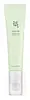
This brightening serum is formulated around Centella Asiatica Extract and 3-O-Ethyl Ascorbic Acid to brighten dull-looking skin and calm redness.
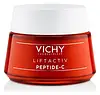
This anti-aging moisturizer is formulated around Adenosine and Ascorbyl Glucoside to soften the look of wrinkles and brighten dull-looking skin.


What's inside
What's inside
 Key Ingredients
Benefits
Concerns
Ingredients Side-by-side
Centella Asiatica Extract
Cleansing





3-O-Ethyl Ascorbic Acid
Skin Conditioning


Glycerin
Humectant
Propanediol
Solvent
Betaine
Humectant
Dicaprylyl Carbonate
EmollientMethyl Trimethicone
Skin Conditioning
Cetyl Ethylhexanoate
EmollientPanthenol
Skin Conditioning
Laminaria Japonica Extract
Skin Protecting
Eclipta Prostrata Leaf Extract
Skin ConditioningPhellodendron Amurense Bark Extract
Skin ConditioningCitrus Unshiu Peel Extract
MaskingBrassica Oleracea Acephala Leaf Extract
HumectantHydrolyzed Gardenia Florida Extract
Antioxidant
Hydrogenated Lecithin
Emulsifying
Cetearyl Alcohol
Emollient






Water
Skin ConditioningDimethicone/Vinyl Dimethicone Crosspolymer
Skin Conditioning
Silica
Abrasive

Bisabolol
Antioxidant
Potassium Cetyl Phosphate
EmulsifyingHydrolyzed Jojoba Esters
Skin Conditioning
Cetearyl Olivate
Sorbitan Olivate
Emulsifying
Hydroxyethyl Acrylate/Sodium Acryloyldimethyl Taurate Copolymer
Emulsion StabilisingAmmonium Acryloyldimethyltaurate/Beheneth-25 Methacrylate Crosspolymer
Emulsion StabilisingXanthan Gum
EmulsifyingPolyglyceryl-10 Myristate
Skin Conditioning
Adenosine
Skin Conditioning
Fructooligosaccharides
Humectant
Beta-Glucan
Skin Conditioning
Butylene Glycol
Humectant
Sorbitan Isostearate
Emulsifying
Hydrolyzed Hyaluronic Acid
Humectant
Maltodextrin
Absorbent
Arginine
Masking
Carbomer
Emulsion StabilisingAscorbic Acid Polypeptide
Antioxidant

1,2-Hexanediol
Skin Conditioning
Hydroxyacetophenone
Antioxidant
Ethylhexylglycerin
Skin ConditioningCentella Asiatica Extract, 3-O-Ethyl Ascorbic Acid, Glycerin, Propanediol, Betaine, Dicaprylyl Carbonate, Methyl Trimethicone, Cetyl Ethylhexanoate, Panthenol, Laminaria Japonica Extract, Eclipta Prostrata Leaf Extract, Phellodendron Amurense Bark Extract, Citrus Unshiu Peel Extract, Brassica Oleracea Acephala Leaf Extract, Hydrolyzed Gardenia Florida Extract, Hydrogenated Lecithin, Cetearyl Alcohol, Water, Dimethicone/Vinyl Dimethicone Crosspolymer, Silica, Bisabolol, Potassium Cetyl Phosphate, Hydrolyzed Jojoba Esters, Cetearyl Olivate, Sorbitan Olivate, Hydroxyethyl Acrylate/Sodium Acryloyldimethyl Taurate Copolymer, Ammonium Acryloyldimethyltaurate/Beheneth-25 Methacrylate Crosspolymer, Xanthan Gum, Polyglyceryl-10 Myristate, Adenosine, Fructooligosaccharides, Beta-Glucan, Butylene Glycol, Sorbitan Isostearate, Hydrolyzed Hyaluronic Acid, Maltodextrin, Arginine, Carbomer, Ascorbic Acid Polypeptide, 1,2-Hexanediol, Hydroxyacetophenone, Ethylhexylglycerin
Water
Skin ConditioningGlycerin
Humectant
Dimethicone
Emollient
Isohexadecane
EmollientAlcohol Denat.
Antimicrobial


Silica
Abrasive
Hydroxyethylpiperazine Ethane Sulfonic Acid
BufferingPropanediol
Solvent
Synthetic Wax
Abrasive
PEG-10 Dimethicone
Skin Conditioning
Eperua Falcata Bark Extract
Skin ProtectingPEG-30 Dipolyhydroxystearate
Emulsifying
Stearyl Alcohol
Emollient
Sorbitan Oleate
Emulsifying
Dimethicone/PEG-10/15 Crosspolymer
Dimethicone/Polyglycerin-3 Crosspolymer
Cleansing
Ceteareth-6
EmulsifyingSodium Acrylates Copolymer
Sodium Citrate
BufferingSodium Hydroxide
BufferingSodium Phytate
ChelatingCyclodextrin
AbsorbentAdenosine
Skin Conditioning
Ascorbyl Glucoside
Antioxidant
Nylon-12

Isopropyl Alcohol
Solvent
Propylene Carbonate
SolventDipropylene Glycol
HumectantCaprylic/Capric Triglyceride
Masking
Caprylyl Glycol
Emollient
Acetyl Tetrapeptide-9
Skin Conditioning
Synthetic Fluorphlogopite
Disteardimonium Hectorite
StabilisingDextrin
AbsorbentPisum Sativum Extract
Skin ConditioningTocopherol
Antioxidant
Phenoxyethanol
Preservative
CI 15985
Cosmetic ColorantCI 77891
Cosmetic ColorantParfum
Masking

Water, Glycerin, Dimethicone, Isohexadecane, Alcohol Denat., Silica, Hydroxyethylpiperazine Ethane Sulfonic Acid, Propanediol, Synthetic Wax, PEG-10 Dimethicone, Eperua Falcata Bark Extract, PEG-30 Dipolyhydroxystearate, Stearyl Alcohol, Sorbitan Oleate, Dimethicone/PEG-10/15 Crosspolymer, Dimethicone/Polyglycerin-3 Crosspolymer, Ceteareth-6, Sodium Acrylates Copolymer, Sodium Citrate, Sodium Hydroxide, Sodium Phytate, Cyclodextrin, Adenosine, Ascorbyl Glucoside, Nylon-12, Isopropyl Alcohol, Propylene Carbonate, Dipropylene Glycol, Caprylic/Capric Triglyceride, Caprylyl Glycol, Acetyl Tetrapeptide-9, Synthetic Fluorphlogopite, Disteardimonium Hectorite, Dextrin, Pisum Sativum Extract, Tocopherol, Phenoxyethanol, CI 15985, CI 77891, Parfum
Reviews
Ingredients Explained
These ingredients are found in both products.
Ingredients higher up in an ingredient list are typically present in a larger amount.
Adenosine is a purine nucleoside that your body already makes in every cell. In skincare, it acts mainly as a skin conditioning and anti-aging agent.
The way it works is fairly well mapped out:
Your skin has cells called fibroblasts that build collagen (the stuff that keeps skin firm and smooth). Adenosine basically flips a switch on these cells that tells them to get to work making more collagen and other proteins. These cells slow down on their own as skin ages, so Adenosine helps give them a little nudge to keep going.
The clinical backing is pretty solid too.
A blind, randomized, placebo-controlled trial of 126 women aged 45-65 tested a 0.1% cream twice daily and found real improvements in crow's feet and frown lines using a precise 3D skin-mapping technique; these changes showed up by week 3 and held at 2 months.
A later study using Adenosine-loaded dissolving microneedle patches reported gains in wrinkle depth, dermal density, elasticity, and hydration.
On concentrations, South Korea's Ministry of Food and Drug Safety has set 0.04% as the approved functional anti-wrinkle level. You'll typically see this ingredient used somewhere in the 0.04-0.1% range since it works at low doses.
This ingredient has been found safe for cosmetics with the data showing no irritation or sensitization.
Overall, this is a great ingredient for any anti-aging routine and has no photosensitizing effect, so it suits both AM and PM use.
Learn more about AdenosineGlycerin (or glycerol) is a compound naturally found in your skin. It's a powerhouse humectant that pulls water into the stratum corneum.
Topically, glycerin does several things at once:
Your skin makes glycerin on its own (mostly from sebaceous oil breakdown) and shuttles it to your outermost layer of skin, or your epidermis, via aquaporin-3.
Aquaporin-3 is a transporter that is essential for normal skin hydration, elasticity, and repair. Interestingly, mice lacking in AQP3 have dry and less elastic skin that can be fully corrected with glycerin.
This ingredient is non-irritating, plays well with almost every ingredient, and works across all skin types. Typical use is anywhere between 3-10% but can go up to 79% in some leave-on products.
Just know very high concentrations (>40%) can feel tacky in low humidity.
Glycerin is the name for this ingredient in American English. British English uses Glycerol/Glycerine.
Learn more about GlycerinPropanediol is an all-star ingredient. It softens, hydrates, and smooths the skin.
It’s often used to:
Propanediol is not likely to cause sensitivity and considered safe to use. It is derived from corn or petroleum with a clear color and no scent.
Learn more about PropanediolSilica, also known as silicon dioxide, is a naturally occurring mineral. It is used as a fine, spherical, and porous powder in cosmetics.
Though it has exfoliant properties, the function of silica varies depending on the product.
The unique structure of silica enhances the spreadability and adds smoothness, making it a great texture enhancer.
It is also used as an active carrier, emulsifier, and mattifier due to its ability to absorb excess oil.
In some products, tiny microneedles called spicules are made from silica or hydrolyzed sponge. When you rub them in, they lightly polish away dead skin layers and enhance the penetration of active ingredients.
Learn more about SilicaWater. It's the most common cosmetic ingredient of all. You'll usually see it at the top of ingredient lists, meaning that it makes up the largest part of the product.
So why is it so popular? Water most often acts as a solvent - this means that it helps dissolve other ingredients into the formulation.
You'll also recognize water as that liquid we all need to stay alive. If you see this, drink a glass of water. Remember to stay hydrated!
Learn more about Water

