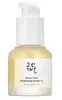
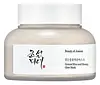
Beauty of Joseon Honey Glow Brightening Serum Versus Beauty of Joseon Ground Rice And Honey Glow Mask
This brightening serum is formulated around Niacinamide and Betaine Salicylate to brighten dull-looking skin and refine skin texture.

What's inside
What's inside
 Key Ingredients
Benefits
Concerns
Ingredients Side-by-side
Water
Skin ConditioningGlycerin
Humectant


Dipropylene Glycol
HumectantButylene Glycol
Humectant
1,2-Hexanediol
Skin Conditioning
Niacinamide
Smoothing









Pentylene Glycol
Skin Conditioning
Betaine Salicylate
Antimicrobial


Sodium Polyacryloyldimethyl Taurate
Emulsion StabilisingTromethamine
BufferingXanthan Gum
EmulsifyingPolyglyceryl-10 Laurate
Skin Conditioning
Propanediol
Solvent
Carbomer
Emulsion StabilisingEthylhexylglycerin
Skin ConditioningDisodium EDTA
Honey Extract
Humectant
Melia Azadirachta Flower Extract
Skin ConditioningOcimum Sanctum Leaf Extract
Skin ConditioningMelia Azadirachta Leaf Extract
Skin ConditioningSodium Hyaluronate
Humectant
Curcuma Longa Root Extract
Antioxidant

Dextrin
AbsorbentTheobroma Cacao Extract
Skin ConditioningCorallina Officinalis Extract
Skin Conditioning
Melaleuca Alternifolia Leaf Extract
Perfuming
Lotus Corniculatus Seed Extract
Skin ConditioningMethylpropanediol
SolventTocopherol
Antioxidant
Octanediol
Centella Asiatica Extract
Cleansing
Calophyllum Inophyllum Seed Oil
Antimicrobial
Water, Glycerin, Dipropylene Glycol, Butylene Glycol, 1,2-Hexanediol, Niacinamide, Pentylene Glycol, Betaine Salicylate, Sodium Polyacryloyldimethyl Taurate, Tromethamine, Xanthan Gum, Polyglyceryl-10 Laurate, Propanediol, Carbomer, Ethylhexylglycerin, Disodium EDTA, Honey Extract, Melia Azadirachta Flower Extract, Ocimum Sanctum Leaf Extract, Melia Azadirachta Leaf Extract, Sodium Hyaluronate, Curcuma Longa Root Extract, Dextrin, Theobroma Cacao Extract, Corallina Officinalis Extract, Melaleuca Alternifolia Leaf Extract, Lotus Corniculatus Seed Extract, Methylpropanediol, Tocopherol, Octanediol, Centella Asiatica Extract, Calophyllum Inophyllum Seed Oil
Water
Skin ConditioningKaolin
Abrasive
Honey
Humectant
Glycerin
Humectant
Propanediol
Solvent
Dipropylene Glycol
HumectantOryza Sativa Hull Powder
Abrasive
Isononyl Isononanoate
Emollient1,2-Hexanediol
Skin Conditioning
Cetyl Alcohol
Emollient

Caprylic/Capric Triglyceride
Masking
Polyglyceryl-3 Methylglucose Distearate
Emulsifying
Glyceryl Stearate
Emollient
Butylene Glycol
Humectant
Oryza Sativa Bran
Abrasive
Oryza Sativa Lees Extract
Skin ConditioningOryza Sativa Extract
Absorbent
Honey Extract
Humectant
Bentonite
Absorbent
Palmitic Acid
Emollient
Stearic Acid
Cleansing
Behenyl Alcohol
Emollient
Cellulose
Absorbent
Zea Mays Starch
Absorbent
Xanthan Gum
EmulsifyingHydroxyacetophenone
Antioxidant
Potassium Cetyl Phosphate
EmulsifyingEthylhexylglycerin
Skin ConditioningPolyacrylate-13
Hydrogenated Polyisobutene
EmollientSodium Phytate
Polyglyceryl-10 Laurate
Skin Conditioning
Ethylhexyl Palmitate
Emollient

Sorbitan Isostearate
Emulsifying
Menthyl Lactate
Masking
Water, Kaolin, Honey, Glycerin, Propanediol, Dipropylene Glycol, Oryza Sativa Hull Powder, Isononyl Isononanoate, 1,2-Hexanediol, Cetyl Alcohol, Caprylic/Capric Triglyceride, Polyglyceryl-3 Methylglucose Distearate, Glyceryl Stearate, Butylene Glycol, Oryza Sativa Bran, Oryza Sativa Lees Extract, Oryza Sativa Extract, Honey Extract, Bentonite, Palmitic Acid, Stearic Acid, Behenyl Alcohol, Cellulose, Zea Mays Starch, Xanthan Gum, Hydroxyacetophenone, Potassium Cetyl Phosphate, Ethylhexylglycerin, Polyacrylate-13, Hydrogenated Polyisobutene, Sodium Phytate, Polyglyceryl-10 Laurate, Ethylhexyl Palmitate, Sorbitan Isostearate, Menthyl Lactate
Reviews
Ingredients Explained
These ingredients are found in both products.
Ingredients higher up in an ingredient list are typically present in a larger amount.
1,2-Hexanediol is a synthetic liquid and another multi-functional powerhouse.
It is a:
- Humectant, drawing moisture into the skin
- Emollient, helping to soften skin
- Solvent, dispersing and stabilizing formulas
- Preservative booster, enhancing the antimicrobial activity of other preservatives
Butylene Glycol (or BG) is used within cosmetic products for a few different reasons:
Overall, Butylene Glycol is a safe and well-rounded ingredient that works well with other ingredients.
Though this ingredient works well with most skin types, some people with sensitive skin may experience a reaction such as allergic rashes, closed comedones, or itchiness.
Learn more about Butylene GlycolDipropylene Glycol is a synthetically created humectant, stabilizer, and solvent.
This ingredient helps:
Dipropylene glycol is technically an alcohol, but it belongs to the glycol family (often considered part of the ‘good’ alcohols). This means it is hydrating and gentle on skin unlike drying solvent alcohols like denatured alcohol.
As a masking agent, Dipropylene Glycol can be used to cover the smell of other ingredients. However, it does not have a scent.
Studies show Dipropylene Glycol is considered safe to use in skincare.
Learn more about Dipropylene GlycolEthylhexylglycerin is created from glycerin. It is a multitasker ingredient that:
The CIR Expert Panel found minimal skin absorption or sensitization of any kind in a safety assessment. Though this ingredient is considered well-tolerated, a small number of cases of allergic dermatitis have been published since 2002. Just be sure to patch test if you are unsure.
Industry-reported use ranges from 8% in rinse-off products and 2% in leave-on formulations.
Learn more about EthylhexylglycerinGlycerin (or glycerol) is a compound naturally found in your skin. It's a powerhouse humectant that pulls water into the stratum corneum.
Topically, glycerin does several things at once:
Your skin makes glycerin on its own (mostly from sebaceous oil breakdown) and shuttles it to your outermost layer of skin, or your epidermis, via aquaporin-3.
Aquaporin-3 is a transporter that is essential for normal skin hydration, elasticity, and repair. Interestingly, mice lacking in AQP3 have dry and less elastic skin that can be fully corrected with glycerin.
This ingredient is non-irritating, plays well with almost every ingredient, and works across all skin types. Typical use is anywhere between 3-10% but can go up to 79% in some leave-on products.
Just know very high concentrations (>40%) can feel tacky in low humidity.
Glycerin is the name for this ingredient in American English. British English uses Glycerol/Glycerine.
Learn more about GlycerinThis ingredient comes from honey made by bees. It is hydrating, antibacterial, anti-aging, and skin soothing.
Honey also contains amino acids, peptides, Vitamins A, C, and E.
The humectant property of honey draws moisture from the air to your skin. This makes it great at helping to hydrate the skin.
Honey may help reduce the signs of aging due to its antioxidant properties. Fun fact: darker honey has more antioxidants than light honey. The antibacterial property of honey may make it effective at helping to treat acne by killing acne-causing bacteria.
Many people wonder if honey extract is vegan. It is technically a byproduct from bees. This is because honey is created from the digestive enzymes in a bee's stomach.
Remember to be kind to bees :) They are important for many ecosystems and are endangered.
Learn more about Honey ExtractPolyglyceryl-10 Laurate is a cleansing agent and emulsifier.
It rounds up dirt, oil, and grime, so they can be rinsed off easily as a cleanser.
On the emulsifier side, it keeps your formula smooth and well-mixed by playing peacekeeper for ingredients that don't naturally get along (like oil and water).
Because it has a C12 (lauric acid) fatty acid chain, this ingredient can potentially feed the Malassezia yeast that causes fungal acne. The Malassezia yeast prefers esters with C11-C24 fatty acids.
This ingredient is an ester of lauric acid and Polyglycerin-10.
Learn more about Polyglyceryl-10 LauratePropanediol is an all-star ingredient. It softens, hydrates, and smooths the skin.
It’s often used to:
Propanediol is not likely to cause sensitivity and considered safe to use. It is derived from corn or petroleum with a clear color and no scent.
Learn more about PropanediolWater. It's the most common cosmetic ingredient of all. You'll usually see it at the top of ingredient lists, meaning that it makes up the largest part of the product.
So why is it so popular? Water most often acts as a solvent - this means that it helps dissolve other ingredients into the formulation.
You'll also recognize water as that liquid we all need to stay alive. If you see this, drink a glass of water. Remember to stay hydrated!
Learn more about WaterXanthan gum is used as a stabilizer and thickener within cosmetic products. It helps give products a sticky, thick feeling - preventing them from being too runny.
On the technical side of things, xanthan gum is a polysaccharide - a combination consisting of multiple sugar molecules bonded together.
Xanthan gum is a pretty common and great ingredient. It is a natural, non-toxic, non-irritating ingredient that is also commonly used in food products.
Learn more about Xanthan Gum

