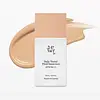
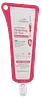
Beauty of Joseon Daily Tinted Fluid Sunscreen SPF 30 Versus Luxe Organix High Protection Perfecting UV Tint Serum Sunscreen SPF 50 PA +++
This hybrid sunscreen covers the full UV range, though its SPF isn't confirmed on file yet.
This hybrid sunscreen covers the full UV range and blocks ~98% of UVB at SPF 50.


What's inside
What's inside
 Key Ingredients
Benefits
Concerns
Ingredients Side-by-side
Zinc Oxide
Cosmetic Colorant


Water
Skin ConditioningButyloctyl Salicylate
Skin Conditioning
Isopropyl Myristate
Emollient





Coco-Caprylate/Caprate
Emollient
Caprylic/Capric Triglyceride
Masking

Neopentyl Glycol Diheptanoate
EmollientEthylhexyl Isononanoate
EmollientAlcohol Denat.
Antimicrobial

Polyglyceryl-3 Polyricinoleate
Emulsifying
Butylene Glycol
Humectant
C12-15 Alkyl Benzoate
AntimicrobialPropanediol
Solvent
Silica
Abrasive

Methyl Methacrylate Crosspolymer
Stearic Acid
Cleansing
Polyglyceryl-6 Polyhydroxystearate
Emulsifying
Hydrogenated Olive Oil Unsaponifiables
Emollient
Artemisia Capillaris Extract
Polyglyceryl-4 Diisostearate/Polyhydroxystearate/Sebacate
Emulsifying
Stearalkonium Hectorite
Gel FormingUndecane
Emollient1,2-Hexanediol
Skin Conditioning
Polyglyceryl-6 Polyricinoleate
Emulsifying
Hydroxyacetophenone
Antioxidant
Tridecane
Perfuming

Polyglycerin-6
HumectantIsopropyl Titanium Triisostearate
Emollient
Tocopherol
Antioxidant




Ascorbyl Palmitate
Antioxidant

CI 77492
Cosmetic ColorantCI 77491
Cosmetic ColorantCI 77499
Cosmetic ColorantZinc Oxide, Water, Butyloctyl Salicylate, Isopropyl Myristate, Coco-Caprylate/Caprate, Caprylic/Capric Triglyceride, Neopentyl Glycol Diheptanoate, Ethylhexyl Isononanoate, Alcohol Denat., Polyglyceryl-3 Polyricinoleate, Butylene Glycol, C12-15 Alkyl Benzoate, Propanediol, Silica, Methyl Methacrylate Crosspolymer, Stearic Acid, Polyglyceryl-6 Polyhydroxystearate, Hydrogenated Olive Oil Unsaponifiables, Artemisia Capillaris Extract, Polyglyceryl-4 Diisostearate/Polyhydroxystearate/Sebacate, Stearalkonium Hectorite, Undecane, 1,2-Hexanediol, Polyglyceryl-6 Polyricinoleate, Hydroxyacetophenone, Tridecane, Polyglycerin-6, Isopropyl Titanium Triisostearate, Tocopherol, Ascorbyl Palmitate, CI 77492, CI 77491, CI 77499
Water
Skin ConditioningCyclopentasiloxane
Emollient
Ethylhexyl Methoxycinnamate
UV Absorber
C12-15 Alkyl Benzoate
AntimicrobialTitanium Dioxide
Cosmetic Colorant
Butylene Glycol
Humectant
4-Methylbenzylidene Camphor
UV Absorber
Glycereth-26
Humectant
Niacinamide
Smoothing



Cetyl PEG/PPG-10/1 Dimethicone
Emulsifying
Methylene Bis-Benzotriazolyl Tetramethylbutylphenol
UV Filter
Caprylic/Capric Triglyceride
Masking
Phenyl Trimethicone
Skin Conditioning
Ascorbic Acid
Antioxidant
Lauryl PEG-9 Polydimethylsiloxyethyl Dimethicone
Skin Conditioning
Disteardimonium Hectorite
StabilisingSodium Chloride
MaskingMethyl Methacrylate Crosspolymer
CI 77492
Cosmetic ColorantDecyl Glucoside
Cleansing
CI 77491
Cosmetic ColorantCI 77499
Cosmetic ColorantDimethicone/Vinyl Dimethicone Crosspolymer
Skin Conditioning
Dimethicone
Emollient
Polyepsilon-Lysine
Skin ConditioningAdenosine
Skin Conditioning
Disodium EDTA
ChelatingTriethoxycaprylylsilane
1,2-Hexanediol
Skin Conditioning
Propylene Glycol
Humectant
Quartz
Abrasive
Xanthan Gum
EmulsifyingSodium Hyaluronate
Humectant
BHT
Antioxidant
Tocopherol
Antioxidant
Hydrolyzed Collagen
Emollient
Centella Asiatica Extract
Cleansing
Pentylene Glycol
Skin Conditioning
Chrysanthemum Indicum Flower Extract
Skin Conditioning
Chrysanthemum Morifolium Flower Extract
Skin ConditioningCamellia Japonica Flower Extract
EmollientPrunus Mume Flower Extract
Skin ConditioningMagnolia Kobus Branch/Flower/Leaf Extract
Skin ConditioningPrunus Serrulata Flower Extract
Skin ConditioningNelumbo Nucifera Flower Extract
Skin ConditioningLonicera Japonica Flower Extract
Skin ConditioningCarthamus Tinctorius Flower Extract
Skin ConditioningLilium Tigrinum Extract
Skin ConditioningSodium Hyaluronate Crosspolymer
Humectant
Hydrolyzed Hyaluronic Acid
Humectant
Hyaluronic Acid
Humectant
Ethylhexylglycerin
Skin ConditioningHydrolyzed Sodium Hyaluronate
Skin Conditioning
Water, Cyclopentasiloxane, Ethylhexyl Methoxycinnamate, C12-15 Alkyl Benzoate, Titanium Dioxide, Butylene Glycol, 4-Methylbenzylidene Camphor, Glycereth-26, Niacinamide, Cetyl PEG/PPG-10/1 Dimethicone, Methylene Bis-Benzotriazolyl Tetramethylbutylphenol, Caprylic/Capric Triglyceride, Phenyl Trimethicone, Ascorbic Acid, Lauryl PEG-9 Polydimethylsiloxyethyl Dimethicone, Disteardimonium Hectorite, Sodium Chloride, Methyl Methacrylate Crosspolymer, CI 77492, Decyl Glucoside, CI 77491, CI 77499, Dimethicone/Vinyl Dimethicone Crosspolymer, Dimethicone, Polyepsilon-Lysine, Adenosine, Disodium EDTA, Triethoxycaprylylsilane, 1,2-Hexanediol, Propylene Glycol, Quartz, Xanthan Gum, Sodium Hyaluronate, BHT, Tocopherol, Hydrolyzed Collagen, Centella Asiatica Extract, Pentylene Glycol, Chrysanthemum Indicum Flower Extract, Chrysanthemum Morifolium Flower Extract, Camellia Japonica Flower Extract, Prunus Mume Flower Extract, Magnolia Kobus Branch/Flower/Leaf Extract, Prunus Serrulata Flower Extract, Nelumbo Nucifera Flower Extract, Lonicera Japonica Flower Extract, Carthamus Tinctorius Flower Extract, Lilium Tigrinum Extract, Sodium Hyaluronate Crosspolymer, Hydrolyzed Hyaluronic Acid, Hyaluronic Acid, Ethylhexylglycerin, Hydrolyzed Sodium Hyaluronate
Reviews
Ingredients Explained
These ingredients are found in both products.
Ingredients higher up in an ingredient list are typically present in a larger amount.
1,2-Hexanediol is a synthetic liquid and another multi-functional powerhouse.
It is a:
- Humectant, drawing moisture into the skin
- Emollient, helping to soften skin
- Solvent, dispersing and stabilizing formulas
- Preservative booster, enhancing the antimicrobial activity of other preservatives
Butylene Glycol (or BG) is used within cosmetic products for a few different reasons:
Overall, Butylene Glycol is a safe and well-rounded ingredient that works well with other ingredients.
Though this ingredient works well with most skin types, some people with sensitive skin may experience a reaction such as allergic rashes, closed comedones, or itchiness.
Learn more about Butylene GlycolC12-15 Alkyl Benzoate is a lightweight emollient made by combinig benzoic acid with fatty alcohols that are 12-15 carbons long.
In cosmetics, it plays several roles:
The Cosmetic Review Expert Panel has concluded the alkyl benzoate group to be safe as used in cosmetics; it wasn't found to be a skin irritant and unlikely to be absorbed due to its low water solubility.
This report recorded almost 1000 reported uses with concentrations up to 59% in leave-on products but your cosmetics will typically use 0.5-15% depending on the product.
It's often called a "SPF booster": this is because it keeps UV filters properly dissolved and evenly distributed to support a sunscreen's performance. It doesn't actually raise SPF on its own.
Overall, this ingredient is well tolerated.
This ingredient is fungal acne safe because it is an ester of benzoic acid.
Think of this ingredient as two parts stuck together: an oily part and an acid part. Malassezia only gets a meal when it can snip off a fatty acid to eat. With C12-15 Alkyl Benzoate, the acid part is benzoic acid, which isn't a fatty acid and which the yeast can't use as food.
Benzoic acid is actually used as a preservative to stop yeast from growing.
The oily part is a blend of C12-15 fatty alcohols but fatty alcohols in this size range can support only a little Malassezia growth (mostly for one species of Malassezia as well).
In the ingredient, those alcohols stay locked inside the molecule. The yeast can only reach them by snipping the benzoate bond, and that type of bond is harder for it to cut than a normal fatty bond.
So not much gets released. And whatever does get snipped comes packaged with benzoic acid, which discourages yeast growth.
Learn more about C12-15 Alkyl BenzoateCaprylic/Capric Triglyceride (aka MCT Oil) is a lightweight emollient, solvent, and texture enhancer. It is considered a skin-softener by helping to prevent moisture loss.
Though it behaves like an oil, it is not technically one due to its chemical composition. One perk of this ingredient is that it is very stable, resistant to oxidation, and unlikely to go rancid.
In practice, that translates to a long shelf life and a consistently elegant skin feel.
While there is an assumption Caprylic Triglyceride can clog pores due to it being derived from coconut oil, there is no research supporting this. Just patch test if you have concerns.
Fractionated coconut oil and MCT Oil are both listed as Caprylic/Capric Triglyceride according to INCI. This is because INCI names are based on the ingredient’s final chemical composition and not its marketing name or source.
This ingredient is treated as the gold standard fungal acne safe oil. Even though it is coconut derived, the problematic lauric acid is stripped out.
This leaves just caprylic (C8) and capric (C10) acid. These chain lengths actually trend antifungal; a 2020 study found caprylic acid was enough to disrupt Malassezia furfur cell membrane, with a caprylic acid derivative damaging membrane structures at concentrations as low as 0.2%.
Learn more about Caprylic/Capric TriglycerideCi 77491 is also hydrated iron III oxide. It's sole purpose is to give a red/pink hue to products.
Iron III oxides are classified as inorganic chemicals for coloring.
Synthetically created Ci 77491 is considered safer than those naturally found. This is because the synthetically created version may contain less impurities. Iron oxides are generally non-toxic and non-allergenic.
Learn more about CI 77491CI 77492 is also hydrated iron III oxide. It's sole purpose is to give a yellow hue to products.
Iron III oxides are classified as inorganic chemicals for coloring.
Synthetically created CI 77492 is considered safer than those naturally found. This is because the synthetically created version may contain less impurities. Iron oxides are generally non-toxic and non-allergenic.
Learn more about CI 77492Ci 77499 is also hydrated iron III oxide. It is created from mixing red and black iron oxides. This helps give shades of darkness to a product.
Iron III oxides are classified as inorganic chemicals for coloring.
This ingredient comes as a powder made up of small, porous, microbeads. It is used to add a silky feel to products and also helps absorb oil.
Tocopherol is a fat-soluble antioxidant known as Vitamin E.
You'll find this ingredient in the vast majority of skincare (for good reason). It works to neutralize free radicals, or unstable molecules generated by UV exposure, pollution, and other environmental stressors, before they can cause oxidative damage to your skin cells.
Topically applied tocopherol has been shown to protect against UV damage by ramping up the skin's own natural defense enzymes.
It also acts as a skin conditioning agent; some studies show that regular topical use can improve the skin's water-binding capacity over 2-4 weeks.
This ingredient is especially loved for being a team player. When combined with Vitamin C, the photoprotective effect of both ingredients roughly doubles and the combo also helps reduce UV-induced DNA damage.
This ingredient has some brightening potential but it's more of a prevention ingredient than spot-fader. Cell studies show it can slow down melanin production but it's worth noting that it's not the most powerful brightener out there.
In formulations, it also serves as a stabilizer that helps protect other oxidation-prone ingredients from degrading.
Concentrations usually range from 0.1-1% in most leave-on products.
Learn more about TocopherolWater. It's the most common cosmetic ingredient of all. You'll usually see it at the top of ingredient lists, meaning that it makes up the largest part of the product.
So why is it so popular? Water most often acts as a solvent - this means that it helps dissolve other ingredients into the formulation.
You'll also recognize water as that liquid we all need to stay alive. If you see this, drink a glass of water. Remember to stay hydrated!
Learn more about Water

