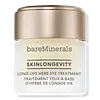
This anti-aging eye moisturizer is formulated around Niacinamide and Palmitoyl Tripeptide-5 to soften the look of wrinkles.
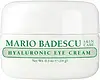
This barrier-repair eye moisturizer is formulated around Aloe Barbadensis Leaf Extract and Hyaluronic Acid to strengthen the skin barrier and hydrate skin.

What's inside
What's inside
 Key Ingredients
Benefits
Concerns
Ingredients Side-by-side
Water
Skin ConditioningGlycerin
Humectant


Propanediol
Solvent
Dipropylene Glycol
HumectantNiacinamide
Smoothing









Pentaerythrityl Tetraethylhexanoate
Emollient
Butyrospermum Parkii Butter
Skin Conditioning




Dimethicone
Emollient
Ascorbyl Glucoside
Antioxidant

Jojoba Esters
Emollient
Theobroma Grandiflorum Seed Butter
Skin Conditioning
Coconut Alkanes
Emollient
Agar
MaskingNylon-12

Trehalose
Humectant
Peucedanum Japonicum Leaf/Stem Extract
HumectantCitrus Unshiu Peel Extract
MaskingDunaliella Salina Extract
Skin ConditioningEschscholzia Californica Leaf Cell Extract
Skin ProtectingZingiber Aromaticus Extract
Skin ConditioningAcrylates/C10-30 Alkyl Acrylate Crosspolymer
Emulsion StabilisingPolyacrylate Crosspolymer-6
Emulsion StabilisingIsoamyl Laurate
Emollient
Panthenol
Skin Conditioning
Potassium Hydroxide
BufferingTocopherol
Antioxidant
Coco-Caprylate/Caprate
Emollient
Alcohol
Antimicrobial


Butylene Glycol
Humectant
Sodium Polyacrylate Starch
AbsorbentXanthan Gum
EmulsifyingSodium Citrate
BufferingGlyceryl Acrylate/Acrylic Acid Copolymer
HumectantSodium Metaphosphate
BufferingCitric Acid
Buffering
T-Butyl Alcohol
Perfuming

Sodium Hyaluronate
Humectant
Ethylhexylglycerin
Skin ConditioningPalmitoyl Tripeptide-5
Skin Conditioning
Pantolactone
Humectant
Potassium Sorbate
Preservative
Succinoglycan
Skin ConditioningSodium Metabisulfite
Antioxidant
Sodium Benzoate
Masking
Phenoxyethanol
Preservative
Water, Glycerin, Propanediol, Dipropylene Glycol, Niacinamide, Pentaerythrityl Tetraethylhexanoate, Butyrospermum Parkii Butter, Dimethicone, Ascorbyl Glucoside, Jojoba Esters, Theobroma Grandiflorum Seed Butter, Coconut Alkanes, Agar, Nylon-12, Trehalose, Peucedanum Japonicum Leaf/Stem Extract, Citrus Unshiu Peel Extract, Dunaliella Salina Extract, Eschscholzia Californica Leaf Cell Extract, Zingiber Aromaticus Extract, Acrylates/C10-30 Alkyl Acrylate Crosspolymer, Polyacrylate Crosspolymer-6, Isoamyl Laurate, Panthenol, Potassium Hydroxide, Tocopherol, Coco-Caprylate/Caprate, Alcohol, Butylene Glycol, Sodium Polyacrylate Starch, Xanthan Gum, Sodium Citrate, Glyceryl Acrylate/Acrylic Acid Copolymer, Sodium Metaphosphate, Citric Acid, T-Butyl Alcohol, Sodium Hyaluronate, Ethylhexylglycerin, Palmitoyl Tripeptide-5, Pantolactone, Potassium Sorbate, Succinoglycan, Sodium Metabisulfite, Sodium Benzoate, Phenoxyethanol
Water
Skin ConditioningGlycerin
Humectant
Paraffinum Liquidum
Emollient
Cetearyl Alcohol
Emollient
Vegetable Oil
Skin Conditioning
Aloe Barbadensis Leaf Extract
Emollient
Carthamus Tinctorius Seed Oil
Masking
Petrolatum
Emollient
Ceteareth-20
Cleansing
Tocopherol
Antioxidant
Hyaluronic Acid
Humectant
Euphrasia Officinalis Extract
AntimicrobialTocopheryl Acetate
Antioxidant
Sodium Hyaluronate
Humectant
Propylene Glycol
Humectant
Glyceryl Acrylate/Acrylic Acid Copolymer
HumectantPvm/Ma Copolymer
Emulsion StabilisingPolyquaternium-24
Sodium Chloride
MaskingDiazolidinyl Urea
Preservative
Propylparaben
Preservative
Methylparaben
Preservative
CI 19140
Cosmetic ColorantCI 15985
Cosmetic ColorantWater, Glycerin, Paraffinum Liquidum, Cetearyl Alcohol, Vegetable Oil, Aloe Barbadensis Leaf Extract, Carthamus Tinctorius Seed Oil, Petrolatum, Ceteareth-20, Tocopherol, Hyaluronic Acid, Euphrasia Officinalis Extract, Tocopheryl Acetate, Sodium Hyaluronate, Propylene Glycol, Glyceryl Acrylate/Acrylic Acid Copolymer, Pvm/Ma Copolymer, Polyquaternium-24, Sodium Chloride, Diazolidinyl Urea, Propylparaben, Methylparaben, CI 19140, CI 15985
Ingredients Explained
These ingredients are found in both products.
Ingredients higher up in an ingredient list are typically present in a larger amount.
Glycerin (or glycerol) is a compound naturally found in your skin. It's a powerhouse humectant that pulls water into the stratum corneum.
Topically, glycerin does several things at once:
Your skin makes glycerin on its own (mostly from sebaceous oil breakdown) and shuttles it to your outermost layer of skin, or your epidermis, via aquaporin-3.
Aquaporin-3 is a transporter that is essential for normal skin hydration, elasticity, and repair. Interestingly, mice lacking in AQP3 have dry and less elastic skin that can be fully corrected with glycerin.
This ingredient is non-irritating, plays well with almost every ingredient, and works across all skin types. Typical use is anywhere between 3-10% but can go up to 79% in some leave-on products.
Just know very high concentrations (>40%) can feel tacky in low humidity.
Glycerin is the name for this ingredient in American English. British English uses Glycerol/Glycerine.
Learn more about GlycerinGlyceryl Acrylate/Acrylic Acid Copolymer is made up of glycerin and polyacrylic acid. It helps hydrate your skin as a humectant.
This ingredient forms a hydrogel that delivers moisturizing, water-based ingredients to the skin. It is also used to thicken a product and to give it a smooth texture.
Acrylic acid itself is toxic, but the polymer form (this ingredient) is too large to penetrate skin, making it non-toxic.
Learn more about Glyceryl Acrylate/Acrylic Acid CopolymerSodium Hyaluronate is the salt form of hyaluronic acid. It is a long sugar chain that is naturally found in your skin, joints, and connective tissue that maintains hydration and elasticity.
In skincare, it works as a humectant. It pulls water from the environment and deeper layers of skin and binds it to the surface.
Interestingly, the size of the molecule affects its behavior:
Some clinical evidence links low molecular weight versions to improved wrinkle depth, elasticity, anti-inflammatory effects, and barrier repair.
Many serums use a blend of both weights so you can get surface hydration plus longer-lasting and deeper effects.
You'll typically see concentrations between 0.1-2% for this ingredient.
Learn more about Sodium HyaluronateTocopherol is a fat-soluble antioxidant known as Vitamin E.
You'll find this ingredient in the vast majority of skincare (for good reason). It works to neutralize free radicals, or unstable molecules generated by UV exposure, pollution, and other environmental stressors, before they can cause oxidative damage to your skin cells.
Topically applied tocopherol has been shown to protect against UV damage by ramping up the skin's own natural defense enzymes.
It also acts as a skin conditioning agent; some studies show that regular topical use can improve the skin's water-binding capacity over 2-4 weeks.
This ingredient is especially loved for being a team player. When combined with Vitamin C, the photoprotective effect of both ingredients roughly doubles and the combo also helps reduce UV-induced DNA damage.
This ingredient has some brightening potential but it's more of a prevention ingredient than spot-fader. Cell studies show it can slow down melanin production but it's worth noting that it's not the most powerful brightener out there.
In formulations, it also serves as a stabilizer that helps protect other oxidation-prone ingredients from degrading.
Concentrations usually range from 0.1-1% in most leave-on products.
Learn more about TocopherolWater. It's the most common cosmetic ingredient of all. You'll usually see it at the top of ingredient lists, meaning that it makes up the largest part of the product.
So why is it so popular? Water most often acts as a solvent - this means that it helps dissolve other ingredients into the formulation.
You'll also recognize water as that liquid we all need to stay alive. If you see this, drink a glass of water. Remember to stay hydrated!
Learn more about Water

