
What's inside
What's inside
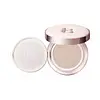 Key Ingredients
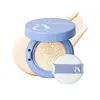
Benefits
Concerns
Ingredients Side-by-side
Oryza Sativa Bran Water
Masking
Titanium Dioxide
Cosmetic Colorant

Homosalate
Skin Conditioning
Ethylhexyl Methoxycinnamate
UV Absorber
Phenyl Trimethicone
Skin Conditioning
Ethylhexyl Salicylate
UV Absorber
Propylene Glycol Dibenzoate
Skin ConditioningGlycerin
Humectant


C12-15 Alkyl Benzoate
AntimicrobialDiphenylsiloxy Phenyl Trimethicone
Skin Conditioning
Tripropylene Glycol
Antioxidant
Phytosteryl/Isostearyl/Cetyl/Stearyl/Behenyl Dimer Dilinoleate
Skin Conditioning

Euphorbia Cerifera Wax
Diethylamino Hydroxybenzoyl Hexyl Benzoate
UV Filter
Bis-Ethylhexyloxyphenol Methoxyphenyl Triazine
UV Absorber
Niacinamide
Smoothing









Caprylic/Capric Triglyceride
Masking
Dimethicone
Emollient
Lauryl Lactate
EmollientMagnesium Sulfate
Lauryl PEG-9 Polydimethylsiloxyethyl Dimethicone
Skin Conditioning
Synthetic Fluorphlogopite
1,2-Hexanediol
Skin Conditioning
C30-45 Alkyl Methicone
Emollient
C30-45 Olefin
Skin ConditioningAcrylates/Dimethicone Copolymer
Skin Conditioning
Lauryl PEG-8 Dimethicone
Surfactant
Glyceryl Caprylate
EmollientCaprylyl Glycol
Emollient
Aluminum Hydroxide
EmollientTriethoxycaprylylsilane
Stearalkonium Hectorite
Gel FormingParfum
Masking

Ethylhexylglycerin
Skin ConditioningPropylene Carbonate
SolventAdenosine
Skin Conditioning
Tocopherol
Antioxidant
Ceramide NP
Skin Conditioning
Dipropylene Glycol
HumectantHydrogenated Lecithin
Emulsifying
Glyceryl Stearate
Emollient
Cholesterol
Emollient
Ceramide AP
Skin Conditioning
Ceramide As
Skin Conditioning
Ceramide Ng
Skin Conditioning
Ceramide Ns
Skin Conditioning
Ceramide EOP
Skin Conditioning
CI 77492
Cosmetic ColorantCI 77491
Cosmetic ColorantCI 77499
Cosmetic ColorantOryza Sativa Bran Water, Titanium Dioxide, Homosalate, Ethylhexyl Methoxycinnamate, Phenyl Trimethicone, Ethylhexyl Salicylate, Propylene Glycol Dibenzoate, Glycerin, C12-15 Alkyl Benzoate, Diphenylsiloxy Phenyl Trimethicone, Tripropylene Glycol, Phytosteryl/Isostearyl/Cetyl/Stearyl/Behenyl Dimer Dilinoleate, Euphorbia Cerifera Wax, Diethylamino Hydroxybenzoyl Hexyl Benzoate, Bis-Ethylhexyloxyphenol Methoxyphenyl Triazine, Niacinamide, Caprylic/Capric Triglyceride, Dimethicone, Lauryl Lactate, Magnesium Sulfate, Lauryl PEG-9 Polydimethylsiloxyethyl Dimethicone, Synthetic Fluorphlogopite, 1,2-Hexanediol, C30-45 Alkyl Methicone, C30-45 Olefin, Acrylates/Dimethicone Copolymer, Lauryl PEG-8 Dimethicone, Glyceryl Caprylate, Caprylyl Glycol, Aluminum Hydroxide, Triethoxycaprylylsilane, Stearalkonium Hectorite, Parfum, Ethylhexylglycerin, Propylene Carbonate, Adenosine, Tocopherol, Ceramide NP, Dipropylene Glycol, Hydrogenated Lecithin, Glyceryl Stearate, Cholesterol, Ceramide AP, Ceramide As, Ceramide Ng, Ceramide Ns, Ceramide EOP, CI 77492, CI 77491, CI 77499
Water
Skin ConditioningCI 77891
Cosmetic ColorantDiphenylsiloxy Phenyl Trimethicone
Skin Conditioning
Butylene Glycol
Humectant
Butyloctyl Salicylate
Skin Conditioning
Acrylates/Stearyl Acrylate/Dimethicone Methacrylate Copolymer
Pentaerythrityl Tetraisostearate
Emollient
Trimethylsiloxysilicate
Emollient
Cetyl PEG/PPG-10/1 Dimethicone
Emulsifying
PEG-10 Dimethicone
Skin Conditioning
Sodium Chloride
MaskingAluminum Hydroxide
EmollientPropanediol
Solvent
Polymethylsilsesquioxane
Triethoxycaprylylsilane
Polyhydroxystearic Acid
Emulsifying
Stearic Acid
Cleansing
Caprylyl Glycol
Emollient
Disteardimonium Hectorite
StabilisingCI 77491
Cosmetic ColorantGlyceryl Caprylate
EmollientBakuchiol
Antimicrobial
Ethylhexylglycerin
Skin ConditioningHydrogenated Lecithin
Emulsifying
Trisodium Ethylenediamine Disuccinate
ChelatingCI 77499
Cosmetic ColorantAdenosine
Skin Conditioning
Carica Papaya Fruit Extract
Skin ConditioningAnthemis Nobilis Flower Extract
Masking
1,2-Hexanediol
Skin Conditioning
Petroselinum Sativum Extract
Skin ConditioningTocopherol
Antioxidant
Pentaerythrityl Tetra-Di-T-Butyl Hydroxyhydrocinnamate
Antioxidant
Water, CI 77891, Diphenylsiloxy Phenyl Trimethicone, Butylene Glycol, Butyloctyl Salicylate, Acrylates/Stearyl Acrylate/Dimethicone Methacrylate Copolymer, Pentaerythrityl Tetraisostearate, Trimethylsiloxysilicate, Cetyl PEG/PPG-10/1 Dimethicone, PEG-10 Dimethicone, Sodium Chloride, Aluminum Hydroxide, Propanediol, Polymethylsilsesquioxane, Triethoxycaprylylsilane, Polyhydroxystearic Acid, Stearic Acid, Caprylyl Glycol, Disteardimonium Hectorite, CI 77491, Glyceryl Caprylate, Bakuchiol, Ethylhexylglycerin, Hydrogenated Lecithin, Trisodium Ethylenediamine Disuccinate, CI 77499, Adenosine, Carica Papaya Fruit Extract, Anthemis Nobilis Flower Extract, 1,2-Hexanediol, Petroselinum Sativum Extract, Tocopherol, Pentaerythrityl Tetra-Di-T-Butyl Hydroxyhydrocinnamate
Ingredients Explained
These ingredients are found in both products.
Ingredients higher up in an ingredient list are typically present in a larger amount.
1,2-Hexanediol is a synthetic liquid and another multi-functional powerhouse.
It is a:
- Humectant, drawing moisture into the skin
- Emollient, helping to soften skin
- Solvent, dispersing and stabilizing formulas
- Preservative booster, enhancing the antimicrobial activity of other preservatives
Adenosine is a purine nucleoside that your body already makes in every cell. In skincare, it acts mainly as a skin conditioning and anti-aging agent.
The way it works is fairly well mapped out:
Your skin has cells called fibroblasts that build collagen (the stuff that keeps skin firm and smooth). Adenosine basically flips a switch on these cells that tells them to get to work making more collagen and other proteins. These cells slow down on their own as skin ages, so Adenosine helps give them a little nudge to keep going.
The clinical backing is pretty solid too.
A blind, randomized, placebo-controlled trial of 126 women aged 45-65 tested a 0.1% cream twice daily and found real improvements in crow's feet and frown lines using a precise 3D skin-mapping technique; these changes showed up by week 3 and held at 2 months.
A later study using Adenosine-loaded dissolving microneedle patches reported gains in wrinkle depth, dermal density, elasticity, and hydration.
On concentrations, South Korea's Ministry of Food and Drug Safety has set 0.04% as the approved functional anti-wrinkle level. You'll typically see this ingredient used somewhere in the 0.04-0.1% range since it works at low doses.
This ingredient has been found safe for cosmetics with the data showing no irritation or sensitization.
Overall, this is a great ingredient for any anti-aging routine and has no photosensitizing effect, so it suits both AM and PM use.
Learn more about AdenosineAluminum Hydroxide is a form of aluminum. It can be naturally found in nature as the mineral gibbsite. In cosmetics, Aluminum Hydroxide is used as a colorant, pH adjuster, and absorbent.
As a colorant, Aluminum Hydroxide may add opacity, or reduce the transparency. Aluminum hydroxide is contains both basic and acidic properties.
According to manufacturers, this ingredient is an emollient and humectant. This means it helps hydrate the skin.
In medicine, this ingredient is used to help relieve heartburn and help heal ulcers.
There is currently no credible scientific evidence linking aluminum hydroxide in cosmetics to increased cancer risk.
Major health organizations allow the use of aluminum hydroxide in personal care products and have not flagged it as a carcinogenic risk at typical usage levels.
Learn more about Aluminum HydroxideCaprylyl Glycol is a humectant, skin conditioner, emollient, and preservative booster derived from either caprylic acid or synthetically created.
Typical use levels vary from 0.3-1% as a preservative booster and go up to 2% to condition skin.
Because it is not a free-fatty acid, this ingredient is fungal acne safe (there's nothing for Malassezia to feed on).
Learn more about Caprylyl GlycolCi 77491 is also hydrated iron III oxide. It's sole purpose is to give a red/pink hue to products.
Iron III oxides are classified as inorganic chemicals for coloring.
Synthetically created Ci 77491 is considered safer than those naturally found. This is because the synthetically created version may contain less impurities. Iron oxides are generally non-toxic and non-allergenic.
Learn more about CI 77491Ci 77499 is also hydrated iron III oxide. It is created from mixing red and black iron oxides. This helps give shades of darkness to a product.
Iron III oxides are classified as inorganic chemicals for coloring.
Diphenylsiloxy Phenyl Trimethicone is a silicone. It has a high refractive index and adds shine to formulations.
According to the safety review by the Cosmetic Ingredient Review (CIR) Expert Panel, it is safe for use in cosmetics under the current practices and concentrations.
Ethylhexylglycerin is created from glycerin. It is a multitasker ingredient that:
The CIR Expert Panel found minimal skin absorption or sensitization of any kind in a safety assessment. Though this ingredient is considered well-tolerated, a small number of cases of allergic dermatitis have been published since 2002. Just be sure to patch test if you are unsure.
Industry-reported use ranges from 8% in rinse-off products and 2% in leave-on formulations.
Learn more about EthylhexylglycerinGlyceryl Caprylate comes from glycerin and caprylic acid. It is an emollient, co-emulsifier, and preservative booster.
Its short C8 fatty acid chain makes it behave differently from its longer-chain emollient cousins like Glyceryl Stearate. It feels more lightweight, fast-absorbing, and silky instead of rich and waxy.
As a co-emulsifier, its "head" and "tail" sit at the oil-water interface. But overall, the short C8 tail and not being water soluble means it doesn't really have the muscle to emulsify a formula on its own. That's why you'll often see it paired with a primary emulsifier like Cetearyl Glucoside.
Interestingly, Glyceryl Caprylate acts as a preservative booster. This is because its fatty-acid backbone disrupts microbial lipid membranes. It shows excellent activity against bacteria and yeast but is weaker against mold.
Typical concentrations range from 0.5-1% and this ingredient is generally non-irritating.
Because this ingredient has a C8 fatty acid chain, it is outside the range that the Malassezia yeast metabolizes (making it fungal acne safe).
Learn more about Glyceryl CaprylateHydrogenated Lecithin is a more stable version of lecithin.
It's made by taking lecithin (a phospholipid commonly found in soybeans and egg yolks) and hydrogenating it. This just means the unsaturated fatty acids are turned into saturated ones so they don't go bad as easily.
This ingredient is an emollient, emulsifier, and penetration enhancer. As an emollient, it helps soften and hydrate skin by trapping moisture within. As an emulsifier, it prevents oil and water ingredients from separating.
Hydrogenated Lecithin can form tiny spherical structures made of phospholipid bilayers called liposomes. These liposomes are able to capture compounds inside their structure and deliver them through the skin barrier.
Because phospholipids are a natural component of our cell membranes, this ingredient is inherently compatible with skin.
A 2021 study found lecithin-based surfactants were less harsh and more tolerable comared to Sodium Lauryl Sulfate (SLS).
Learn more about Hydrogenated LecithinTocopherol is a fat-soluble antioxidant known as Vitamin E.
You'll find this ingredient in the vast majority of skincare (for good reason). It works to neutralize free radicals, or unstable molecules generated by UV exposure, pollution, and other environmental stressors, before they can cause oxidative damage to your skin cells.
Topically applied tocopherol has been shown to protect against UV damage by ramping up the skin's own natural defense enzymes.
It also acts as a skin conditioning agent; some studies show that regular topical use can improve the skin's water-binding capacity over 2-4 weeks.
This ingredient is especially loved for being a team player. When combined with Vitamin C, the photoprotective effect of both ingredients roughly doubles and the combo also helps reduce UV-induced DNA damage.
This ingredient has some brightening potential but it's more of a prevention ingredient than spot-fader. Cell studies show it can slow down melanin production but it's worth noting that it's not the most powerful brightener out there.
In formulations, it also serves as a stabilizer that helps protect other oxidation-prone ingredients from degrading.
Concentrations usually range from 0.1-1% in most leave-on products.
Learn more about TocopherolTriethoxycaprylylsilane is a silicon-based surface modifier that makes sunscreens feel silky and makeup stay put.
Its main job is to coat mineral particles like titanium dioxide, zinc oxide, and color pigments in a thin, oily layer so they spread smoothly, don't clump, and stick to skin better.
This ingredient is typically used at low levels (up to 2.5% in eyeshadow and 1% in lipstick).
Learn more about Triethoxycaprylylsilane

