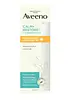
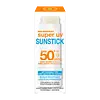
Aveeno Calm + Restore Moisturising Lotion SPF 50 Versus Garnier Ambre Solaire Super UV Sunstick SPF 50+
This hybrid sunscreen covers the full UV range and blocks ~98% of UVB at SPF 50.
This chemical sunscreen covers the full UV range and blocks ~98% of UVB at SPF 50.


What's inside
What's inside
 Key Ingredients
Benefits
Concerns
Ingredients Side-by-side
Water
Skin ConditioningDiethylamino Hydroxybenzoyl Hexyl Benzoate
UV Filter
Ethylhexyl Triazone
UV Absorber
C12-15 Alkyl Benzoate
AntimicrobialCaprylyl Methicone
Skin Conditioning
Diisopropyl Adipate
EmollientAluminum Starch Octenylsuccinate
Absorbent
Methylene Bis-Benzotriazolyl Tetramethylbutylphenol
UV Filter
Dimethicone
Emollient
Avena Sativa Kernel Flour
Abrasive

Diisopropyl Sebacate
EmollientGlycerin
Humectant

Hydroxyacetophenone
Antioxidant
Glyceryl Stearate
Emollient

PEG-100 Stearate
Surfactant
Bis-Ethylhexyloxyphenol Methoxyphenyl Triazine
UV Absorber
Potassium Cetyl Phosphate
EmulsifyingTriacontanyl Pvp
HumectantDecyl Glucoside
Cleansing
Dimethicone Crosspolymer
Emulsion Stabilising
Hydroxyethyl Acrylate/Sodium Acryloyldimethyl Taurate Copolymer
Emulsion StabilisingAcrylates/C10-30 Alkyl Acrylate Crosspolymer
Emulsion StabilisingHydrolyzed Jojoba Esters
Skin Conditioning
Titanium Dioxide
Cosmetic Colorant
Disodium EDTA
ChelatingTocopheryl Acetate
Antioxidant

Sodium Hydroxide
BufferingChrysanthemum Parthenium Flower/Leaf/Stem Juice
Antioxidant
Silica
Abrasive
Sodium Hyaluronate
Humectant


Jojoba Esters
Emollient
Polysorbate 60
Emulsifying
Sorbitan Isostearate
Emulsifying
Propylene Glycol
Humectant
Pentylene Glycol
Skin Conditioning
Xanthan Gum
EmulsifyingSodium Metabisulfite
Antioxidant
Citric Acid
Buffering
Potassium Sorbate
Preservative
Sodium Benzoate
Masking
Water, Diethylamino Hydroxybenzoyl Hexyl Benzoate, Ethylhexyl Triazone, C12-15 Alkyl Benzoate, Caprylyl Methicone, Diisopropyl Adipate, Aluminum Starch Octenylsuccinate, Methylene Bis-Benzotriazolyl Tetramethylbutylphenol, Dimethicone, Avena Sativa Kernel Flour, Diisopropyl Sebacate, Glycerin, Hydroxyacetophenone, Glyceryl Stearate, PEG-100 Stearate, Bis-Ethylhexyloxyphenol Methoxyphenyl Triazine, Potassium Cetyl Phosphate, Triacontanyl Pvp, Decyl Glucoside, Dimethicone Crosspolymer, Hydroxyethyl Acrylate/Sodium Acryloyldimethyl Taurate Copolymer, Acrylates/C10-30 Alkyl Acrylate Crosspolymer, Hydrolyzed Jojoba Esters, Titanium Dioxide, Disodium EDTA, Tocopheryl Acetate, Sodium Hydroxide, Chrysanthemum Parthenium Flower/Leaf/Stem Juice, Silica, Sodium Hyaluronate, Jojoba Esters, Polysorbate 60, Sorbitan Isostearate, Propylene Glycol, Pentylene Glycol, Xanthan Gum, Sodium Metabisulfite, Citric Acid, Potassium Sorbate, Sodium Benzoate
Ricinus Communis Seed Oil
Masking

Isopropyl Palmitate
Emollient

Polyethylene
Abrasive
Isohexadecane
EmollientBehenyl Behenate
EmollientBis-Ethylhexyloxyphenol Methoxyphenyl Triazine
UV Absorber
Ethylhexyl Triazone
UV Absorber
Butyl Methoxydibenzoylmethane
UV Absorber
Theobroma Cacao Seed Butter
Emollient
Butyrospermum Parkii Butter
Skin Conditioning
Paraffin
Skin Conditioning
Microcrystalline Wax
Emulsion StabilisingSilica Silylate
Emollient
Drometrizole Trisiloxane
UV Absorber
Diethylamino Hydroxybenzoyl Hexyl Benzoate
UV Filter
Tocopherol
Antioxidant
Synthetic Wax
Abrasive
Citric Acid
Buffering
Glycine Soja Oil
Emollient
Ricinus Communis Seed Oil, Isopropyl Palmitate, Polyethylene, Isohexadecane, Behenyl Behenate, Bis-Ethylhexyloxyphenol Methoxyphenyl Triazine, Ethylhexyl Triazone, Butyl Methoxydibenzoylmethane, Theobroma Cacao Seed Butter, Butyrospermum Parkii Butter, Paraffin, Microcrystalline Wax, Silica Silylate, Drometrizole Trisiloxane, Diethylamino Hydroxybenzoyl Hexyl Benzoate, Tocopherol, Synthetic Wax, Citric Acid, Glycine Soja Oil
Reviews
Ingredients Explained
These ingredients are found in both products.
Ingredients higher up in an ingredient list are typically present in a larger amount.
This ingredient is better known as bemotrizinol or Tinosorb S and is one of the best broad-spectrum UV filters in modern sunscreen.
It works by absorbing UV light across a whole range (280-400 nm) with peaks around 310 nm (UVB) and 340-345 nm (UVA). This means it covers UVB plus the deeper UVA wavelengths that drive photoaging and pigmentation.
Another pro?
It's exceptionally photostable, barely degrades in sunlight, and acts as a "bodyguard" for less stable filters.
That's why you'll see it paired with avobenzone or octinoxate; this team up ensures they keep working through sun exposure.
Safety reviews have been reassuring across the board. This ingredient shows low absorption through the skin, rarely irritates, and lab studies found it doesn't act like a hormone in the body (a concern that's been raised about some older sunscreen filters).
On maximum concentrations:
In 2026, the US F.D.A finally added it as an OTC sunscreen ingredient at concentrations up to 6% for adults / children 6 months and older
Learn more about Bis-Ethylhexyloxyphenol Methoxyphenyl TriazineCitric Acid is an alpha hydroxy acid (AHA) naturally found in citrus fruits like oranges, lemons, and limes.
Like other AHAs, citric acid can exfoliate skin by breaking down the bonds that hold dead skin cells together. This helps reveal smoother and brighter skin underneath.
However, this exfoliating effect only happens at high concentrations (20%) which can be hard to find in cosmetic products.
Due to this, citric acid is usually included in small amounts as a pH adjuster. This helps keep products slightly more acidic and compatible with skin's natural pH.
In skincare formulas, citric acid can:
While it can provide some skin benefits, research shows lactic acid and glycolic acid are generally more effective and less irritating exfoliants.
Most citric acid used in skincare today is made by fermenting sugars (usually from molasses). This synthetic version is identical to the natural citrus form but easier to stabilize and use in formulations.
Rosacea skin has a lower threshold for acids generally, with 62.5% of rosacea subjects in one study reacting to lactic acid in a sting test. This is why we mark citric acid as a potential rosacea trigger.
However, this ingredient shows up as a pH adjuster or chelator at roughly 0.1-1% in many products. These low levels are unlikely to be an issue for rosacea skin and becomes a potential trigger at exfoliating concentrations (20%). Because everybody's skin is unique, we recommend a patch test if you are unsure.
Learn more about Citric AcidDiethylamino Hydroxybenzoyl Hexyl Benzoate (DHHB) is a chemical UV-A absorber. It is formulated for high UVA protection (320-400 nm).
DHHB is well-liked for:
DHHB has been approved by the EU, Japan, Taiwan, and South America for use up to 10%. Unfortunately, it has not been approved for use in the US or Canada due to slow regulatory processes.
This ingredient is soluble in oils, fats, and lipids.
Learn more about Diethylamino Hydroxybenzoyl Hexyl BenzoateEthylhexyl Triazone (aka Octyl Triazone) is an oil-soluble organic UVB filter. It has peak absorption around 314 nm, right in the middle of the UVB range.
This ingredient is described as one of the most effective UVB filters available and small concentrations are enough to deliver a high SPF thanks to its strong UV absorbing power.
Formulators love it for its stability; its ability to filter UV stays practically unchanged even under intense radiation and it can also help boost the photostability of less stable filters like avobenzone.
It's also a great pick for water resistant products because it's insoluble in water and has a good affinity for keratin.
Because it's a big, heavy molecule, the European Scientific Committee has found to to have very low dermal penetration and negative results for allergenicity.
In vitro testing also showed a low absorption rate and clean results on irritation.
Typical use levels are 1-5% with 5% being the maximum in the EU, Japan, and other markets that allow it. However, this ingredient is not approved yet in the US or Canada.
Learn more about Ethylhexyl Triazone


