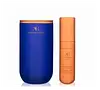
This anti-aging eye moisturizer is formulated around Niacinamide and Ascorbyl Tetraisopalmitate to soften the look of wrinkles and fade the look of dark spots.
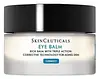
This barrier-repair eye moisturizer is formulated around Aloe Barbadensis Leaf Extract and Tocopherol to strengthen the skin barrier and hydrate skin.


What's inside
What's inside
 Key Ingredients
Benefits
Concerns
Ingredients Side-by-side
Water
Skin ConditioningGlycerin
Humectant


Coco-Caprylate/Caprate
Emollient
Panthenol
Skin Conditioning

Ethyl Oleate
Emollient



Ethylhexyl Polyhydroxystearate
EmollientSqualane
Emollient
Glyceryl Stearate Citrate
Emollient
Hydrogenated Vegetable Glycerides
EmollientNiacinamide
Smoothing






Ascorbyl Tetraisopalmitate
Antioxidant

Sodium Stearoyl Glutamate
CleansingPolyglyceryl-3 Stearate
Emulsifying
Oleic Acid
Emollient


Cocos Nucifera Oil
Masking
Silica
Abrasive
Simmondsia Chinensis Seed Oil
Emollient
Hydrogenated Lecithin
Emulsifying
Undaria Pinnatifida Extract
Skin ConditioningXanthan Gum
EmulsifyingPotassium Sorbate
Preservative
Citric Acid
Buffering
Sodium Benzoate
Masking
Terminalia Arjuna Extract
Skin ConditioningCentella Asiatica Flower/Leaf/Stem Extract
Skin Conditioning
Hydrolyzed Rice Protein
Skin ConditioningMaltodextrin
Absorbent
Sodium Phytate
Lecithin
Emollient
Corallina Officinalis Extract
Skin Conditioning
Camellia Sinensis Leaf Extract
Antimicrobial
Tocopheryl Acetate
Antioxidant
Tocopherol
Antioxidant
Alanyl Glutamine
HumectantArginine
Masking
Oligopeptide-177

Sodium Chloride
MaskingPhenylalanine
Masking
Sisymbrium Irio Seed Oil
Masking
Water, Glycerin, Coco-Caprylate/Caprate, Panthenol, Ethyl Oleate, Ethylhexyl Polyhydroxystearate, Squalane, Glyceryl Stearate Citrate, Hydrogenated Vegetable Glycerides, Niacinamide, Ascorbyl Tetraisopalmitate, Sodium Stearoyl Glutamate, Polyglyceryl-3 Stearate, Oleic Acid, Cocos Nucifera Oil, Silica, Simmondsia Chinensis Seed Oil, Hydrogenated Lecithin, Undaria Pinnatifida Extract, Xanthan Gum, Potassium Sorbate, Citric Acid, Sodium Benzoate, Terminalia Arjuna Extract, Centella Asiatica Flower/Leaf/Stem Extract, Hydrolyzed Rice Protein, Maltodextrin, Sodium Phytate, Lecithin, Corallina Officinalis Extract, Camellia Sinensis Leaf Extract, Tocopheryl Acetate, Tocopherol, Alanyl Glutamine, Arginine, Oligopeptide-177, Sodium Chloride, Phenylalanine, Sisymbrium Irio Seed Oil
Water
Skin ConditioningGlycerin
Humectant
Aloe Barbadensis Leaf Extract
Emollient
Aloe Barbadensis Leaf Juice
Skin Conditioning
Myristyl Myristate
Emollient
Cetyl Palmitate
Emollient
Tocopherol
Antioxidant
Stearic Acid
Cleansing
Hydrogenated Vegetable Oil
Emollient
Paraffin
Skin Conditioning
Palmitic Acid
Emollient
Petrolatum
Emollient
Dimethicone
Emollient
Hydrogenated Lecithin
Emulsifying
Cetyl Alcohol
Emollient
Caprylic/Capric/Myristic/Stearic Triglyceride
EmollientPhenoxyethanol
Preservative
Triethanolamine
BufferingLauroyl Lysine
Skin Conditioning
Carbomer
Emulsion StabilisingGlycine Soja Protein
EmulsifyingPentylene Glycol
Skin Conditioning
Caprylyl Glycol
Emollient
Chlorphenesin
Antimicrobial
Bisabolol
Antioxidant
Myristic Acid
Cleansing
Pentaerythrityl Tetra-Di-T-Butyl Hydroxyhydrocinnamate
Antioxidant
Silybum Marianum Extract
Skin Conditioning
Disodium EDTA
Retinyl Palmitate
Skin Conditioning
Helianthus Annuus Seed Oil
Emollient
Sodium Benzoate
Masking
Potassium Sorbate
Preservative
Farnesol
Perfuming
Crithmum Maritimum Extract
Skin ConditioningWater, Glycerin, Aloe Barbadensis Leaf Extract, Aloe Barbadensis Leaf Juice, Myristyl Myristate, Cetyl Palmitate, Tocopherol, Stearic Acid, Hydrogenated Vegetable Oil, Paraffin, Palmitic Acid, Petrolatum, Dimethicone, Hydrogenated Lecithin, Cetyl Alcohol, Caprylic/Capric/Myristic/Stearic Triglyceride, Phenoxyethanol, Triethanolamine, Lauroyl Lysine, Carbomer, Glycine Soja Protein, Pentylene Glycol, Caprylyl Glycol, Chlorphenesin, Bisabolol, Myristic Acid, Pentaerythrityl Tetra-Di-T-Butyl Hydroxyhydrocinnamate, Silybum Marianum Extract, Disodium EDTA, Retinyl Palmitate, Helianthus Annuus Seed Oil, Sodium Benzoate, Potassium Sorbate, Farnesol, Crithmum Maritimum Extract
Reviews
Ingredients Explained
These ingredients are found in both products.
Ingredients higher up in an ingredient list are typically present in a larger amount.
Glycerin (or glycerol) is a compound naturally found in your skin. It's a powerhouse humectant that pulls water into the stratum corneum.
Topically, glycerin does several things at once:
Your skin makes glycerin on its own (mostly from sebaceous oil breakdown) and shuttles it to your outermost layer of skin, or your epidermis, via aquaporin-3.
Aquaporin-3 is a transporter that is essential for normal skin hydration, elasticity, and repair. Interestingly, mice lacking in AQP3 have dry and less elastic skin that can be fully corrected with glycerin.
This ingredient is non-irritating, plays well with almost every ingredient, and works across all skin types. Typical use is anywhere between 3-10% but can go up to 79% in some leave-on products.
Just know very high concentrations (>40%) can feel tacky in low humidity.
Glycerin is the name for this ingredient in American English. British English uses Glycerol/Glycerine.
Learn more about GlycerinHydrogenated Lecithin is a more stable version of lecithin.
It's made by taking lecithin (a phospholipid commonly found in soybeans and egg yolks) and hydrogenating it. This just means the unsaturated fatty acids are turned into saturated ones so they don't go bad as easily.
This ingredient is an emollient, emulsifier, and penetration enhancer. As an emollient, it helps soften and hydrate skin by trapping moisture within. As an emulsifier, it prevents oil and water ingredients from separating.
Hydrogenated Lecithin can form tiny spherical structures made of phospholipid bilayers called liposomes. These liposomes are able to capture compounds inside their structure and deliver them through the skin barrier.
Because phospholipids are a natural component of our cell membranes, this ingredient is inherently compatible with skin.
A 2021 study found lecithin-based surfactants were less harsh and more tolerable comared to Sodium Lauryl Sulfate (SLS).
Learn more about Hydrogenated LecithinPotassium Sorbate is a preservative used to prevent yeast and mold in products. It is commonly found in both cosmetic and food products.
This ingredient comes from potassium salt derived from sorbic acid. Sorbic acid is a natural antibiotic and effective against fungus.
Both potassium sorbate and sorbic acid can be found in baked goods, cheeses, dried meats, dried fruit, ice cream, pickles, wine, yogurt, and more.
You'll often find this ingredient used with other preservatives.
Learn more about Potassium SorbateSodium Benzoate is a preservative. It's used in both cosmetic and food products to inhibit the growth of mold and bacteria. It is typically produced synthetically.
Both the US FDA and EU Health Committee have approved the use of sodium benzoate. In the US, levels of 0.1% (of the total product) are allowed.
Sodium benzoate works as a preservative by inhibiting the growth of bacteria inside of cells. It prevents the cell from fermenting a type of sugar using an enzyme called phosphofructokinase.
It is the salt of benzoic acid. Foods containing sodium benzoate include soda, salad dressings, condiments, fruit juices, wines, and snack foods.
Studies for using ascorbic acid and sodium benzoate in cosmetics are lacking, especially in skincare routines with multiple steps.
We always recommend speaking with a professional, such as a dermatologist, if you have any concerns.
Learn more about Sodium BenzoateTocopherol is a fat-soluble antioxidant known as Vitamin E.
You'll find this ingredient in the vast majority of skincare (for good reason). It works to neutralize free radicals, or unstable molecules generated by UV exposure, pollution, and other environmental stressors, before they can cause oxidative damage to your skin cells.
Topically applied tocopherol has been shown to protect against UV damage by ramping up the skin's own natural defense enzymes.
It also acts as a skin conditioning agent; some studies show that regular topical use can improve the skin's water-binding capacity over 2-4 weeks.
This ingredient is especially loved for being a team player. When combined with Vitamin C, the photoprotective effect of both ingredients roughly doubles and the combo also helps reduce UV-induced DNA damage.
This ingredient has some brightening potential but it's more of a prevention ingredient than spot-fader. Cell studies show it can slow down melanin production but it's worth noting that it's not the most powerful brightener out there.
In formulations, it also serves as a stabilizer that helps protect other oxidation-prone ingredients from degrading.
Concentrations usually range from 0.1-1% in most leave-on products.
Learn more about TocopherolWater. It's the most common cosmetic ingredient of all. You'll usually see it at the top of ingredient lists, meaning that it makes up the largest part of the product.
So why is it so popular? Water most often acts as a solvent - this means that it helps dissolve other ingredients into the formulation.
You'll also recognize water as that liquid we all need to stay alive. If you see this, drink a glass of water. Remember to stay hydrated!
Learn more about Water

