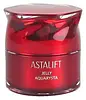
This hydrating treatment is formulated around Trisodium Ascorbyl Palmitate Phosphate and Ceramide NP to hydrate skin and strengthen the skin barrier.
This anti-aging treatment is formulated around Niacinamide and Palmitoyl Hexapeptide-12 to soften the look of wrinkles and strengthen the skin barrier.


What's inside
What's inside
 Key Ingredients
Benefits
Concerns
Ingredients Side-by-side
Water
Skin ConditioningGlycerin
Humectant


Betaine
Humectant
PEG-240/Hdi Copolymer Bis-Decyltetradeceth-20 Ether
StabilisingButylene Glycol
Humectant
Trisodium Ascorbyl Palmitate Phosphate
Antioxidant



Phenoxyethanol
Preservative
Ethylhexylglycerin
Skin ConditioningInulin Lauryl Carbamate
Emulsion StabilisingCeramide NP
Skin Conditioning

Ceramide AP
Skin Conditioning
Alcohol
Antimicrobial




Caprylic/Capric Triglyceride
Masking
Sodium Hydroxide
BufferingParfum
Masking

Polyglyceryl-10 Oleate
Skin Conditioning
Octyldodecyl Myristate
EmollientTocopherol
Antioxidant

Methylparaben
Preservative

Polyglyceryl-10 Myristate
Skin Conditioning
Acetyl Hydroxyproline
EmollientHaematococcus Pluvialis Oil
Antioxidant
Sucrose Stearate
EmollientLecithin
Emollient
Oleic Acid
Emollient

Sodium Phosphate
BufferingUncaria Gambir Extract
AstringentPolyglyceryl-2 Stearate
Emulsifying
Rosa Damascena Flower Oil
Masking

Ceramide EOP
Skin Conditioning
Cholesterol
Emollient
Solanum Lycopersicum Fruit Extract
Antioxidant
Hydrolyzed Collagen
Emollient
Disodium Phosphate
BufferingHydrolyzed Lupine Protein
Skin ConditioningSoluble Collagen
Humectant
Iodopropynyl Butylcarbamate
Preservative
Water, Glycerin, Betaine, PEG-240/Hdi Copolymer Bis-Decyltetradeceth-20 Ether, Butylene Glycol, Trisodium Ascorbyl Palmitate Phosphate, Phenoxyethanol, Ethylhexylglycerin, Inulin Lauryl Carbamate, Ceramide NP, Ceramide AP, Alcohol, Caprylic/Capric Triglyceride, Sodium Hydroxide, Parfum, Polyglyceryl-10 Oleate, Octyldodecyl Myristate, Tocopherol, Methylparaben, Polyglyceryl-10 Myristate, Acetyl Hydroxyproline, Haematococcus Pluvialis Oil, Sucrose Stearate, Lecithin, Oleic Acid, Sodium Phosphate, Uncaria Gambir Extract, Polyglyceryl-2 Stearate, Rosa Damascena Flower Oil, Ceramide EOP, Cholesterol, Solanum Lycopersicum Fruit Extract, Hydrolyzed Collagen, Disodium Phosphate, Hydrolyzed Lupine Protein, Soluble Collagen, Iodopropynyl Butylcarbamate
Water
Skin ConditioningGlycerin
Humectant
Niacinamide
Smoothing



Isopropyl Palmitate
Emollient
Polyacrylate-13
Butylene Glycol
Humectant
Palmitoyl Hexapeptide-12
Skin Conditioning
Palmitoyl Tripeptide-1
Skin Conditioning
Palmitoyl Tripeptide-5
Skin Conditioning
Palmitoyl Dipeptide-5 Diaminobutyroyl Hydroxythreonine
Skin Conditioning
Palmitoyl Dipeptide-5 Diaminohydroxybutyrate
Skin Conditioning
Acetyl Hexapeptide-38
Skin Conditioning
Octapeptide-45
Skin Conditioning
Swertia Chirata Extract
HumectantMagnolol
Antioxidant
Ornithine
Skin ConditioningCeramide AP
Skin Conditioning
Ceramide NP
Skin Conditioning
Ergothioneine
Antioxidant
Dunaliella Salina Extract
Skin ConditioningPhytosterols
Skin Conditioning
Phospholipids
Skin Conditioning
Glycolipids
Skin ConditioningTremella Fuciformis Sporocarp Extract
Antioxidant
Caprylic/Capric Triglyceride
Masking
Sodium Stearoyl Glutamate
CleansingStearic Acid
Cleansing
Betaine
Humectant
Squalane
Emollient
Lecithin
Emollient
Caprylyl Methicone
Skin Conditioning
Disodium EDTA
ChelatingPolysorbate 20
Emulsifying
Tocopherol
Antioxidant
Caprylyl Glycol
Emollient
Glyceryl Caprylate
EmollientPentylene Glycol
Skin Conditioning
Oleic Acid
Emollient
Palmitic Acid
Emollient
Hexylene Glycol
EmulsifyingPropanediol
Solvent
Polyisobutene
Potassium Sorbate
Preservative
Levulinic Acid
Perfuming
Sodium Hydroxide
BufferingHelianthus Annuus Seed Oil
Emollient
P-Anisic Acid
MaskingSorbitan Isostearate
Emulsifying
Ethylhexylglycerin
Skin ConditioningPhenoxyethanol
Preservative
Water, Glycerin, Niacinamide, Isopropyl Palmitate, Polyacrylate-13, Butylene Glycol, Palmitoyl Hexapeptide-12, Palmitoyl Tripeptide-1, Palmitoyl Tripeptide-5, Palmitoyl Dipeptide-5 Diaminobutyroyl Hydroxythreonine, Palmitoyl Dipeptide-5 Diaminohydroxybutyrate, Acetyl Hexapeptide-38, Octapeptide-45, Swertia Chirata Extract, Magnolol, Ornithine, Ceramide AP, Ceramide NP, Ergothioneine, Dunaliella Salina Extract, Phytosterols, Phospholipids, Glycolipids, Tremella Fuciformis Sporocarp Extract, Caprylic/Capric Triglyceride, Sodium Stearoyl Glutamate, Stearic Acid, Betaine, Squalane, Lecithin, Caprylyl Methicone, Disodium EDTA, Polysorbate 20, Tocopherol, Caprylyl Glycol, Glyceryl Caprylate, Pentylene Glycol, Oleic Acid, Palmitic Acid, Hexylene Glycol, Propanediol, Polyisobutene, Potassium Sorbate, Levulinic Acid, Sodium Hydroxide, Helianthus Annuus Seed Oil, P-Anisic Acid, Sorbitan Isostearate, Ethylhexylglycerin, Phenoxyethanol
Reviews
Ingredients Explained
These ingredients are found in both products.
Ingredients higher up in an ingredient list are typically present in a larger amount.
Betaine is a humectant. Like hyaluronic acid, it helps attract and retain moisture in the skin. It’s known for being gentle and for helping the skin maintain balanced hydration.
Betaine is mainly used to improve hydration and support calmer skin. It helps skin cells regulate water balance because it functions as an osmolyte.
Some studies suggest betaine may support making skin tone more even.
Fun fact: Betaine naturally exists in the skin and the body. In cosmetic products, it can be either plant-derived (most commonly from sugar beets) or synthetically produced for consistency and stability.
Betaine is also known as trimethylglycine.
Learn more about BetaineButylene Glycol (or BG) is used within cosmetic products for a few different reasons:
Overall, Butylene Glycol is a safe and well-rounded ingredient that works well with other ingredients.
Though this ingredient works well with most skin types, some people with sensitive skin may experience a reaction such as allergic rashes, closed comedones, or itchiness.
Learn more about Butylene GlycolCaprylic/Capric Triglyceride (aka MCT Oil) is a lightweight emollient, solvent, and texture enhancer. It is considered a skin-softener by helping to prevent moisture loss.
Though it behaves like an oil, it is not technically one due to its chemical composition. One perk of this ingredient is that it is very stable, resistant to oxidation, and unlikely to go rancid.
In practice, that translates to a long shelf life and a consistently elegant skin feel.
While there is an assumption Caprylic Triglyceride can clog pores due to it being derived from coconut oil, there is no research supporting this. Just patch test if you have concerns.
Fractionated coconut oil and MCT Oil are both listed as Caprylic/Capric Triglyceride according to INCI. This is because INCI names are based on the ingredient’s final chemical composition and not its marketing name or source.
This ingredient is treated as the gold standard fungal acne safe oil. Even though it is coconut derived, the problematic lauric acid is stripped out.
This leaves just caprylic (C8) and capric (C10) acid. These chain lengths actually trend antifungal; a 2020 study found caprylic acid was enough to disrupt Malassezia furfur cell membrane, with a caprylic acid derivative damaging membrane structures at concentrations as low as 0.2%.
Learn more about Caprylic/Capric TriglycerideCeramide AP is is a skin-identical lipid that mimics what your skin already makes naturally. Ceramides help maintain epidermal integrity and barrier function.
You'll often see this ingredient paired with other ceramides (like ceramide NP), cholesterol, or fatty acids because this combination best mimics the natural lipid mix your skin already has.
The skin's ability to produce ceramides gets disrupted in skin conditions like eczema. This in turn weakens the skin barrier and applying ceramides topically has been shown to replenish what's been lost to restore barrier function.
Most of the studies with Ceramide AP test it as part of a multi-ceramide complex; studies reinforce ceramide AP's role in rebalancing ceramides in skin and improving skin hydration.
Learn more about Ceramide APCeramide NP (formerly known as Ceramide 3) is one of the skin's naturally occurring lipids.
Since ceramides are the major lipid components of the skin, they are crucial for maintaining skin barrier and hydration. Ceramide NP most closely mirrors the dominant kind in human skin amongst ceramide subtypes.
This ceramide works by slotting into gaps within the stratum corneum's lipid matrix to limit trans-epidermal water loss (TEWL) and shield the skin against external irritants.
A study with 312 patients found that using a ceramide-containing routine for 4 weeks reduced the severity of atopic dermatitis by over 61%.
Another clinical study in subjects aged 60 and older found that a ceramide body wash and moisturizer improved skin dryness and itchy skin in 15 days.
Overall, ceramides are considered non-irritating and safety tests have found little to no observable adverse effects from using this ingredient.
Ceramide NP is usually sourced from plants (like soybean or rice bran), or produced synthetically.
Learn more about Ceramide NPEthylhexylglycerin is created from glycerin. It is a multitasker ingredient that:
The CIR Expert Panel found minimal skin absorption or sensitization of any kind in a safety assessment. Though this ingredient is considered well-tolerated, a small number of cases of allergic dermatitis have been published since 2002. Just be sure to patch test if you are unsure.
Industry-reported use ranges from 8% in rinse-off products and 2% in leave-on formulations.
Learn more about EthylhexylglycerinGlycerin (or glycerol) is a compound naturally found in your skin. It's a powerhouse humectant that pulls water into the stratum corneum.
Topically, glycerin does several things at once:
Your skin makes glycerin on its own (mostly from sebaceous oil breakdown) and shuttles it to your outermost layer of skin, or your epidermis, via aquaporin-3.
Aquaporin-3 is a transporter that is essential for normal skin hydration, elasticity, and repair. Interestingly, mice lacking in AQP3 have dry and less elastic skin that can be fully corrected with glycerin.
This ingredient is non-irritating, plays well with almost every ingredient, and works across all skin types. Typical use is anywhere between 3-10% but can go up to 79% in some leave-on products.
Just know very high concentrations (>40%) can feel tacky in low humidity.
Glycerin is the name for this ingredient in American English. British English uses Glycerol/Glycerine.
Learn more about GlycerinLecithin is a term for a group of substances found in the cell membranes of plants, animals, and humans. They are made up of phospholipids.
Thanks to its amphiphilic structure (water-loving head and oil-loving tail), it is a true multitasker:
It plays well with most ingredients and is typically used at 0.1-1%. However, concentrations up to 50% have been reported in moisturizers.
Learn more about LecithinOleic Acid is an Omega-9 fatty acid that can be found naturally in your skin's sebum and in many plant oils such as avocado and olive oil.
It is an emollient that helps soften skin and prevent moisture loss.
Research shows:
A 1998 study did find that applying oleic acid at higher concentrations may cause irritation and disrupt the skin barrier. Modern formulations typically use low levels that is well-tolerated.
The culprit behind fungal acne, the Malassezia yeast, feeds on fatty acids with carbon chain lengths between C11-C24. Oleic Acid, at C18, falls right into that sweet spot.
In vitro studies have shown that Oleic Acid is one of the fatty acids that induce rapid Malassezia growth in lab settings.
Oleic Acid is widely listed with a comedogenic rating but no published study has ever actually assigned it one.
The 0 to 5 scale everyone quotes comes from Fulton's 1989 survey in the Journal of the Society of Cosmetic Chemists and Oleic Acid does not appear in his fatty acid tables at all; what he did test were related ingredients built from it, like Decyl Oleate and Oleyl Alcohol (which did get ratings).
Somewhere along the way people seem to have borrowed those numbers for Oleic Acid itself.
So why is it considered comedogenic? Oleic Acid has been studied. Researchers in 1971 and 1983 applied it to rabbit ears (the standard test back then) and it did clog pores. The 1983 study also found something useful: oxidized Oleic Acid, meaning the kind that's gone rancid, clogged pores noticeably more than fresh Oleic Acid did.
It's just worth keeping in mind that these tests used rabbit skin which reacts more easily than ours. They also used much higher concentrations than you'd ever find in a real product.
A 2006 study on actual people found finished products made with comedogenic ingredients often turn out not to be comedogenic at all. As always, listen to your skin.
Learn more about Oleic AcidPhenoxyethanol is one of the most widely used preservatives in skincare (and for good reason!).
It has a large spectrum of antimicrobial activity and especially effective bacteria, yeast, and mold while only having a weak effect on your skin's natural microbiome.
On a cellular level, it disrupts the cell membranes of microbes by poking holes that make the cell leak. This shuts down the chemical reactions the microbe needs to make energy so it can no longer survive.
Another perk of this ingredient is that it stays functional across a wide pH range (3-10).
You'll often see it paired with boosters like Ethylhexylglycerin; one study showed that a 1:9 ratio of Ethylhexylglycerin to Phenoxyethanol damages bacterial membranes as effectively as doubling the Phenoxyethanol concentration on its own.
Typical use concentrations range from 0.3-1% depending on the formula, and this ingredient is capped at 1% int the EU.
Safety-wise, the fear mongering does not hold up to the evidence. The EU's Scientific Committee on Consumer Safety and FDA consider it safe as a preservative at up to 1%, including for children of all ages.
Adverse systemic effects only showed up in animal studies at exposures roughly 200x higher than what people get from cosmetics. And despite its very widespread use, this ingredient is a rare sensitizer and allergic reactions are uncommon.
Learn more about PhenoxyethanolSodium Hydroxide is also known as lye or caustic soda. It is used to adjust the pH of products; many ingredients require a specific pH to be effective.
In small amounts, sodium hydroxide is considered safe to use. However, large amounts may cause chemical burns due to its high alkaline.
Your skin has a natural pH and acid mantle. This acid mantle helps prevent harmful bacteria from breaking through. The acid mantle also helps keep your skin hydrated.
"Alkaline" refers to a high pH level. A low pH level would be considered acidic.
Learn more about Sodium HydroxideTocopherol is a fat-soluble antioxidant known as Vitamin E.
You'll find this ingredient in the vast majority of skincare (for good reason). It works to neutralize free radicals, or unstable molecules generated by UV exposure, pollution, and other environmental stressors, before they can cause oxidative damage to your skin cells.
Topically applied tocopherol has been shown to protect against UV damage by ramping up the skin's own natural defense enzymes.
It also acts as a skin conditioning agent; some studies show that regular topical use can improve the skin's water-binding capacity over 2-4 weeks.
This ingredient is especially loved for being a team player. When combined with Vitamin C, the photoprotective effect of both ingredients roughly doubles and the combo also helps reduce UV-induced DNA damage.
This ingredient has some brightening potential but it's more of a prevention ingredient than spot-fader. Cell studies show it can slow down melanin production but it's worth noting that it's not the most powerful brightener out there.
In formulations, it also serves as a stabilizer that helps protect other oxidation-prone ingredients from degrading.
Concentrations usually range from 0.1-1% in most leave-on products.
Learn more about TocopherolWater. It's the most common cosmetic ingredient of all. You'll usually see it at the top of ingredient lists, meaning that it makes up the largest part of the product.
So why is it so popular? Water most often acts as a solvent - this means that it helps dissolve other ingredients into the formulation.
You'll also recognize water as that liquid we all need to stay alive. If you see this, drink a glass of water. Remember to stay hydrated!
Learn more about Water

