

What's inside
What's inside
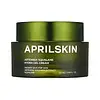 Key Ingredients
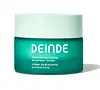
Benefits
Concerns
No concerns
Ingredients Side-by-side
Artemisia Vulgaris Extract 80%
Skin Conditioning

Water
Skin ConditioningSqualane 3%
Emollient

Methylpropanediol
SolventGlycerin
Humectant

1,2-Hexanediol
Skin Conditioning
Coco-Caprylate/Caprate
Emollient
Saccharide Hydrolysate
HumectantCetearyl Olivate
Ammonium Acryloyldimethyltaurate/Vp Copolymer
Niacinamide
Smoothing





Sorbitan Olivate
Emulsifying
Butylene Glycol
Humectant
Trehalose
Humectant
Ethylhexylglycerin
Skin ConditioningDipotassium Glycyrrhizate
Humectant
Allantoin
Skin Conditioning
Oryza Sativa Bran Extract
Skin Conditioning
Carbomer
Emulsion StabilisingXanthan Gum
EmulsifyingFructooligosaccharides
Humectant
Tromethamine
BufferingAdenosine
Skin Conditioning
Pullulan
Saccharum Officinarum Extract
MoisturisingSodium Hyaluronate
Humectant
Indigofera Tinctoria Extract
MaskingHyaluronic Acid
Humectant
Moringa Oleifera Seed Oil
Emollient
Sodium Hyaluronate Crosspolymer
Humectant
Hydrolyzed Sodium Hyaluronate
Skin Conditioning
Hydrolyzed Hyaluronic Acid
Humectant
Hemerocallis Fulva Flower Extract
Skin ConditioningCeramide NP
Skin Conditioning
Myosotis Sylvatica Flower/Leaf/Stem Extract
Skin ConditioningPhytosphingosine
Skin Conditioning
Sodium Acetylated Hyaluronate
Humectant
Hydroxypropyltrimonium Hyaluronate
Hydrogenated Lecithin
Emulsifying
CI 75810
Cosmetic ColorantArtemisia Vulgaris Extract 80%, Water, Squalane 3%, Methylpropanediol, Glycerin, 1,2-Hexanediol, Coco-Caprylate/Caprate, Saccharide Hydrolysate, Cetearyl Olivate, Ammonium Acryloyldimethyltaurate/Vp Copolymer, Niacinamide, Sorbitan Olivate, Butylene Glycol, Trehalose, Ethylhexylglycerin, Dipotassium Glycyrrhizate, Allantoin, Oryza Sativa Bran Extract, Carbomer, Xanthan Gum, Fructooligosaccharides, Tromethamine, Adenosine, Pullulan, Saccharum Officinarum Extract, Sodium Hyaluronate, Indigofera Tinctoria Extract, Hyaluronic Acid, Moringa Oleifera Seed Oil, Sodium Hyaluronate Crosspolymer, Hydrolyzed Sodium Hyaluronate, Hydrolyzed Hyaluronic Acid, Hemerocallis Fulva Flower Extract, Ceramide NP, Myosotis Sylvatica Flower/Leaf/Stem Extract, Phytosphingosine, Sodium Acetylated Hyaluronate, Hydroxypropyltrimonium Hyaluronate, Hydrogenated Lecithin, CI 75810
Water
Skin ConditioningC13-15 Alkane
SolventButylene Glycol
Humectant
Caprylic/Capric Triglyceride
Masking
Dimethyl Isosorbide
SolventHelianthus Annuus Seed Oil
Emollient
Glycerin
Humectant
Sodium Acrylates Copolymer
Naringenin
Skin ConditioningSodium Acetylated Hyaluronate
Humectant
Sodium Hyaluronate
Humectant
Alteromonas Ferment Extract
Skin Conditioning
Sodium Hyaluronate Crosspolymer
Humectant
Hydrolyzed Sodium Hyaluronate
Skin Conditioning
Phospholipids
Skin Conditioning
Phytosterols
Skin Conditioning
Centella Asiatica Extract
Cleansing
Sphingolipids
Emollient
Lecithin
Emollient
Linoleic Acid
Cleansing

Ethylhexylglycerin
Skin ConditioningCetyl Alcohol
Emollient
Hydroxyacetophenone
Antioxidant
Pentylene Glycol
Skin Conditioning1,2-Hexanediol
Skin Conditioning
Caprylyl Glycol
Emollient
Water, C13-15 Alkane, Butylene Glycol, Caprylic/Capric Triglyceride, Dimethyl Isosorbide, Helianthus Annuus Seed Oil, Glycerin, Sodium Acrylates Copolymer, Naringenin, Sodium Acetylated Hyaluronate, Sodium Hyaluronate, Alteromonas Ferment Extract, Sodium Hyaluronate Crosspolymer, Hydrolyzed Sodium Hyaluronate, Phospholipids, Phytosterols, Centella Asiatica Extract, Sphingolipids, Lecithin, Linoleic Acid, Ethylhexylglycerin, Cetyl Alcohol, Hydroxyacetophenone, Pentylene Glycol, 1,2-Hexanediol, Caprylyl Glycol
Ingredients Explained
These ingredients are found in both products.
Ingredients higher up in an ingredient list are typically present in a larger amount.
1,2-Hexanediol is a synthetic liquid and another multi-functional powerhouse.
It is a:
- Humectant, drawing moisture into the skin
- Emollient, helping to soften skin
- Solvent, dispersing and stabilizing formulas
- Preservative booster, enhancing the antimicrobial activity of other preservatives
Butylene Glycol (or BG) is used within cosmetic products for a few different reasons:
Overall, Butylene Glycol is a safe and well-rounded ingredient that works well with other ingredients.
Though this ingredient works well with most skin types, some people with sensitive skin may experience a reaction such as allergic rashes, closed comedones, or itchiness.
Learn more about Butylene GlycolEthylhexylglycerin (we can't pronounce this either) is commonly used as a preservative and skin softener. It is derived from glyceryl.
You might see Ethylhexylglycerin often paired with other preservatives such as phenoxyethanol. Ethylhexylglycerin has been found to increase the effectiveness of these other preservatives.
Glycerin is already naturally found in your skin. It helps moisturize and protect your skin.
A study from 2016 found glycerin to be more effective as a humectant than AHAs and hyaluronic acid.
As a humectant, it helps the skin stay hydrated by pulling moisture to your skin. The low molecular weight of glycerin allows it to pull moisture into the deeper layers of your skin.
Hydrated skin improves your skin barrier; Your skin barrier helps protect against irritants and bacteria.
Glycerin has also been found to have antimicrobial and antiviral properties. Due to these properties, glycerin is often used in wound and burn treatments.
In cosmetics, glycerin is usually derived from plants such as soybean or palm. However, it can also be sourced from animals, such as tallow or animal fat.
This ingredient is organic, colorless, odorless, and non-toxic.
Glycerin is the name for this ingredient in American English. British English uses Glycerol/Glycerine.
Learn more about GlycerinThis ingredient is created by putting sodium hyaluronate through hydrolysis.
You might know this as 'mini' or 'ultra low-molecular weight' hyaluronic acid. The small molecule size means it is able to travel deeper in the skin.
According to studies, low molecular-weight hyaluronic acid can:
One study from 2011 found ultra-low weight HA to show pro-inflammatory properties. Another study from 2022 found it to downregulate UV-B induced inflammation.
Hydrolysis is a process of changing a molecule using water or enzymes.
This ingredient is water-soluble.
Learn more about Hydrolyzed Sodium HyaluronateSodium Acetylated Hyaluronate is a type of Hyaluronic Acid.
Hyaluronic Acids help moisturize, soothe, and protect the skin.
Read about common types of Hyaluronic Acid here:
Sodium Hyaluronate
Hydrolyzed Hyaluronic Acid
Hyaluronic Acid
Sodium Hyaluronate is hyaluronic acid's salt form. It is commonly derived from the sodium salt of hyaluronic acid.
Like hyaluronic acid, it is great at holding water and acts as a humectant. This makes it a great skin hydrating ingredient.
Sodium Hyaluronate is naturally occurring in our bodies and is mostly found in eye fluid and joints.
These are some other common types of Hyaluronic Acid:
Learn more about Sodium HyaluronateSodium Hyaluronate Crosspolymer is a type of hyaluronic acid. In fact, it is modified version of hyaluronic acid.
The structure of Sodium Hyaluronate Crosspolymer allows it to stay in the skin's top layer for a longer period of time. This allows for even more hydration and humectant action than hyaluronic acid.
These are some other common types of Hyaluronic Acid:
Learn more about Sodium Hyaluronate CrosspolymerWater. It's the most common cosmetic ingredient of all. You'll usually see it at the top of ingredient lists, meaning that it makes up the largest part of the product.
So why is it so popular? Water most often acts as a solvent - this means that it helps dissolve other ingredients into the formulation.
You'll also recognize water as that liquid we all need to stay alive. If you see this, drink a glass of water. Stay hydrated!
Learn more about Water
