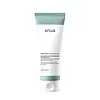
This salicylic acid foaming cleanser is formulated around Salicylic Acid to clear breakouts and unclog pores.
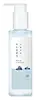
This mild gel cleanser is made to cleanse without leaving your skin tight or dry.

What's inside
What's inside
 Key Ingredients
Benefits
Concerns
Ingredients Side-by-side
Water
Skin ConditioningDisodium Cocoamphodiacetate
CleansingSodium Cocoyl Alaninate
Surfactant
Sodium Methyl Cocoyl Taurate
Cleansing
Acrylates/C10-30 Alkyl Acrylate Crosspolymer
Emulsion StabilisingDisodium 2-Sulfolaurate
CleansingSodium Chloride
MaskingGlycerin
Humectant


Methylpropanediol
SolventHouttuynia Cordata Flower/Leaf/Stem Water
Antimicrobial
Houttuynia Cordata Extract
Skin Conditioning

Quillaja Saponaria Bark Extract
CleansingVincetoxicum Atratum Extract
Skin ConditioningAlthaea Rosea Flower Extract
Skin ConditioningChitosan
1,2-Hexanediol
Skin Conditioning
Caprylyl Glycol
Emollient
Tromethamine
BufferingCoco-Glucoside
Cleansing
Panthenol
Skin Conditioning
Salicylic Acid
Masking










Succinic Acid
BufferingLauryl Hydroxysultaine
CleansingPolyglyceryl-4 Caprate
EmulsifyingEthylhexylglycerin
Skin ConditioningSodium Cocoyl Isethionate
Cleansing
Sodium Citrate
BufferingSodium Phytate
Hexylene Glycol
EmulsifyingButylene Glycol
Humectant
Citric Acid
Buffering
Protease
Exfoliating
Caprylic/Capric Triglyceride
Masking
Hydrogenated Lecithin
Emulsifying
Tocopherol
Antioxidant


Ceramide NP
Skin Conditioning
Dipropylene Glycol
HumectantPentylene Glycol
Skin Conditioning
Cholesterol
Emollient
Parfum
Masking

Water, Disodium Cocoamphodiacetate, Sodium Cocoyl Alaninate, Sodium Methyl Cocoyl Taurate, Acrylates/C10-30 Alkyl Acrylate Crosspolymer, Disodium 2-Sulfolaurate, Sodium Chloride, Glycerin, Methylpropanediol, Houttuynia Cordata Flower/Leaf/Stem Water, Houttuynia Cordata Extract, Quillaja Saponaria Bark Extract, Vincetoxicum Atratum Extract, Althaea Rosea Flower Extract, Chitosan, 1,2-Hexanediol, Caprylyl Glycol, Tromethamine, Coco-Glucoside, Panthenol, Salicylic Acid, Succinic Acid, Lauryl Hydroxysultaine, Polyglyceryl-4 Caprate, Ethylhexylglycerin, Sodium Cocoyl Isethionate, Sodium Citrate, Sodium Phytate, Hexylene Glycol, Butylene Glycol, Citric Acid, Protease, Caprylic/Capric Triglyceride, Hydrogenated Lecithin, Tocopherol, Ceramide NP, Dipropylene Glycol, Pentylene Glycol, Cholesterol, Parfum
Water
Skin ConditioningDisodium Cocoamphodiacetate
CleansingCoco-Betaine
Cleansing
Sodium Cocoyl Alaninate
Surfactant
Disodium Cocoyl Glutamate
Cleansing
Sodium Chloride
MaskingGlycerin
Humectant
Acrylates Copolymer
Decyl Glucoside
Cleansing
Macrocystis Pyrifera Extract
Skin Conditioning
Tropaeolum Majus Flower/Leaf/Stem Extract
Skin ConditioningSea Water
HumectantSodium Hyaluronate
Humectant
Hydroxypropyltrimonium Hyaluronate
Hydrolyzed Sodium Hyaluronate
Skin Conditioning
Hydrolyzed Hyaluronic Acid
Humectant
Sodium Acetylated Hyaluronate
Humectant
Hyaluronic Acid
Humectant
Sodium Hyaluronate Crosspolymer
Humectant
Potassium Hyaluronate
Skin ConditioningHydrogenated Lecithin
Emulsifying
Betaine
Humectant
Allantoin
Skin Conditioning
Tromethamine
BufferingPanthenol
Skin Conditioning
Hexylene Glycol
EmulsifyingDipropylene Glycol
HumectantBeta-Glucan
Skin Conditioning
Potassium Benzoate
Preservative
Fructooligosaccharides
Humectant
1,2-Hexanediol
Skin Conditioning
Citric Acid
Buffering
Disodium EDTA
Water, Disodium Cocoamphodiacetate, Coco-Betaine, Sodium Cocoyl Alaninate, Disodium Cocoyl Glutamate, Sodium Chloride, Glycerin, Acrylates Copolymer, Decyl Glucoside, Macrocystis Pyrifera Extract, Tropaeolum Majus Flower/Leaf/Stem Extract, Sea Water, Sodium Hyaluronate, Hydroxypropyltrimonium Hyaluronate, Hydrolyzed Sodium Hyaluronate, Hydrolyzed Hyaluronic Acid, Sodium Acetylated Hyaluronate, Hyaluronic Acid, Sodium Hyaluronate Crosspolymer, Potassium Hyaluronate, Hydrogenated Lecithin, Betaine, Allantoin, Tromethamine, Panthenol, Hexylene Glycol, Dipropylene Glycol, Beta-Glucan, Potassium Benzoate, Fructooligosaccharides, 1,2-Hexanediol, Citric Acid, Disodium EDTA
Reviews
Ingredients Explained
These ingredients are found in both products.
Ingredients higher up in an ingredient list are typically present in a larger amount.
1,2-Hexanediol is a synthetic liquid and another multi-functional powerhouse.
It is a:
- Humectant, drawing moisture into the skin
- Emollient, helping to soften skin
- Solvent, dispersing and stabilizing formulas
- Preservative booster, enhancing the antimicrobial activity of other preservatives
Citric Acid is an alpha hydroxy acid (AHA) naturally found in citrus fruits like oranges, lemons, and limes.
Like other AHAs, citric acid can exfoliate skin by breaking down the bonds that hold dead skin cells together. This helps reveal smoother and brighter skin underneath.
However, this exfoliating effect only happens at high concentrations (20%) which can be hard to find in cosmetic products.
Due to this, citric acid is usually included in small amounts as a pH adjuster. This helps keep products slightly more acidic and compatible with skin's natural pH.
In skincare formulas, citric acid can:
While it can provide some skin benefits, research shows lactic acid and glycolic acid are generally more effective and less irritating exfoliants.
Most citric acid used in skincare today is made by fermenting sugars (usually from molasses). This synthetic version is identical to the natural citrus form but easier to stabilize and use in formulations.
Read more about some other popular AHA's here:
Learn more about Citric AcidDipropylene Glycol is a synthetically created humectant, stabilizer, and solvent.
This ingredient helps:
Dipropylene glycol is technically an alcohol, but it belongs to the glycol family (often considered part of the ‘good’ alcohols). This means it is hydrating and gentle on skin unlike drying solvent alcohols like denatured alcohol.
As a masking agent, Dipropylene Glycol can be used to cover the smell of other ingredients. However, it does not have a scent.
Studies show Dipropylene Glycol is considered safe to use in skincare.
Learn more about Dipropylene GlycolDisodium Cocoamphodiacetate is a surfactant and helps cleanse skin. It is created from the fatty acids of coconut oil.
Surfactants help rinse oil, dirt, and other pollutants easily from skin. It has a faint fruit-like scent.
Glycerin (or glycerol) is a compound naturally found in your skin. It's a powerhouse humectant that pulls water into the stratum corneum.
Topically, glycerin does several things at once:
Your skin makes glycerin on its own (mostly from sebaceous oil breakdown) and shuttles it to your outermost layer of skin, or your epidermis, via aquaporin-3.
Aquaporin-3 is a transporter that is essential for normal skin hydration, elasticity, and repair. Interestingly, mice lacking in AQP3 have dry and less elastic skin that can be fully corrected with glycerin.
This ingredient is non-irritating, plays well with almost every ingredient, and works across all skin types. Typical use is anywhere between 3-10% but can go up to 79% in some leave-on products.
Just know very high concentrations (>40%) can feel tacky in low humidity.
Glycerin is the name for this ingredient in American English. British English uses Glycerol/Glycerine.
Learn more about GlycerinHexylene Glycol is a multitasker ingredient that works as a solvent, humectant, emulsifier, viscosity reducer, and preservative booster.
It is able to dissolve both water and oil-soluble ingredients to stabilize tricky actives and make products spread more easily.
As a humectant, it pulls water into the skin. But it's a pretty minor moisturizing ingredient compared to other humectants, like glycerin.
Interestingly, it can act as a mild penetration enhancer. One in vitro study on human skin found a 12% concentration upped the absorption of mometasone furoate (a medicinal ingredient used to treat inflammatory skin conditions) up to 7%.
This ingredient is typically used at levels of 0.1-10% depending on the role it's playing.
A patch test study on eczema patients didn't find a significant increase in irritation versus the control group, but the potential for irritation rises at higher concentrations.
Learn more about Hexylene GlycolHydrogenated Lecithin is a more stable version of lecithin.
It's made by taking lecithin (a phospholipid commonly found in soybeans and egg yolks) and hydrogenating it. This just means the unsaturated fatty acids are turned into saturated ones so they don't go bad as easily.
This ingredient is an emollient, emulsifier, and penetration enhancer. As an emollient, it helps soften and hydrate skin by trapping moisture within. As an emulsifier, it prevents oil and water ingredients from separating.
Hydrogenated Lecithin can form tiny spherical structures made of phospholipid bilayers called liposomes. These liposomes are able to capture compounds inside their structure and deliver them through the skin barrier.
Because phospholipids are a natural component of our cell membranes, this ingredient is inherently compatible with skin.
A 2021 study found lecithin-based surfactants were less harsh and more tolerable comared to Sodium Lauryl Sulfate (SLS).
Learn more about Hydrogenated LecithinPanthenol is a common ingredient that helps hydrate and soothe the skin. It is found naturally in our skin and hair.
There are two forms of panthenol: D and L.
D-panthenol is also known as dexpanthenol. Most cosmetics use dexpanthenol or a mixture of D and L-panthenol.
Panthenol is famous due to its ability to go deeper into the skin's layers. Using this ingredient has numerous pros (and no cons):
Like hyaluronic acid, panthenol is a humectant. Humectants are able to bind and hold large amounts of water to keep skin hydrated.
This ingredient works well for wound healing. It works by increasing tissue in the wound and helps close open wounds.
Once oxidized, panthenol converts to pantothenic acid. Panthothenic acid is found in all living cells.
This ingredient is also referred to as pro-vitamin B5.
Learn more about PanthenolChances are, you eat sodium chloride every day. Sodium Chloride is also known as table salt. This ingredient has many purposes in skincare: thickener, emulsifier, and exfoliator.
You'll most likely find this ingredient in cleansers where it is used to create a gel-like texture. As an emulsifier, it also prevents ingredients from separating.
You might see people debate whether Sodium Chloride is comedogenic, but there actually haven't been any comedogenic tests done on it. Either way, the overall formulation of a product matters a lot more than any single ingredient.
You might see this ingredient used in scrubs as a primary exfoliating ingredient.
Learn more about Sodium ChlorideThis ingredient is a surfactant and foam producer.
Tromethamine (aka THAM) is a synthetic amino acid that shows up in skincare as a helper ingredient.
It functions as a pH adjuster to help neutralize acidic ingredients and set a formula's pH to the right spot.
This matters a lot because a lot of actives (like vitamin C) needs a specific pH to work well and feel comfortable on skin.
Concentration use ranges from 0.1-1.0% depending on the formula.
Learn more about TromethamineWater. It's the most common cosmetic ingredient of all. You'll usually see it at the top of ingredient lists, meaning that it makes up the largest part of the product.
So why is it so popular? Water most often acts as a solvent - this means that it helps dissolve other ingredients into the formulation.
You'll also recognize water as that liquid we all need to stay alive. If you see this, drink a glass of water. Remember to stay hydrated!
Learn more about Water

