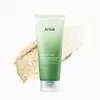
This salicylic acid foaming cleanser is formulated around Salicylic Acid to clear breakouts and unclog pores.
This salicylic acid foaming cleanser is formulated around Salicylic Acid to clear breakouts and unclog pores.

What's inside
What's inside
 Key Ingredients
Benefits
Concerns
Ingredients Side-by-side
Cota Tinctoria Flower/Leaf/Stem Extract 33%
Skin ConditioningGlycerin
Humectant


Sodium Cocoyl Glycinate
Cleansing
Water
Skin ConditioningDisodium Cocoamphodiacetate
CleansingSodium Lauroyl Glutamate
SurfactantGlyceryl Stearate
Emollient

Propanediol
Solvent
Coco-Glucoside
Cleansing
Sodium Chloride
MaskingDecyl Glucoside
Cleansing
Ectoin
Skin Conditioning



1,2-Hexanediol
Skin Conditioning
Hydroxyacetophenone
Antioxidant
Salicylic Acid
Masking









Butylene Glycol
Humectant
Polyquaternium-67
Houttuynia Cordata Powder
Skin ConditioningAcrylates/C10-30 Alkyl Acrylate Crosspolymer
Emulsion StabilisingSorbitol
Humectant
Ethylhexylglycerin
Skin ConditioningEucalyptus Globulus Leaf Oil
Perfuming



Hexylene Glycol
EmulsifyingOenothera Biennis Flower Extract
AstringentPueraria Lobata Root Extract
HumectantPinus Densiflora Leaf Extract
Antimicrobial
Ulmus Fulva Bark Extract
MoisturisingPentylene Glycol
Skin Conditioning
Sodium Hyaluronate
Humectant
Hyaluronic Acid
Humectant
Hydrolyzed Hyaluronic Acid
Humectant
Hydroxypropyltrimonium Hyaluronate
Hydrolyzed Sodium Hyaluronate
Skin Conditioning
Potassium Hyaluronate
Skin ConditioningSodium Hyaluronate Crosspolymer
Humectant
Sodium Acetylated Hyaluronate
Humectant
Quercetin
Antioxidant
Cota Tinctoria Flower/Leaf/Stem Extract 33%, Glycerin, Sodium Cocoyl Glycinate, Water, Disodium Cocoamphodiacetate, Sodium Lauroyl Glutamate, Glyceryl Stearate, Propanediol, Coco-Glucoside, Sodium Chloride, Decyl Glucoside, Ectoin, 1,2-Hexanediol, Hydroxyacetophenone, Salicylic Acid, Butylene Glycol, Polyquaternium-67, Houttuynia Cordata Powder, Acrylates/C10-30 Alkyl Acrylate Crosspolymer, Sorbitol, Ethylhexylglycerin, Eucalyptus Globulus Leaf Oil, Hexylene Glycol, Oenothera Biennis Flower Extract, Pueraria Lobata Root Extract, Pinus Densiflora Leaf Extract, Ulmus Fulva Bark Extract, Pentylene Glycol, Sodium Hyaluronate, Hyaluronic Acid, Hydrolyzed Hyaluronic Acid, Hydroxypropyltrimonium Hyaluronate, Hydrolyzed Sodium Hyaluronate, Potassium Hyaluronate, Sodium Hyaluronate Crosspolymer, Sodium Acetylated Hyaluronate, Quercetin
Water
Skin ConditioningMyristic Acid
Cleansing
Glycerin
Humectant
Potassium Hydroxide
BufferingStearic Acid
Cleansing
Glyceryl Stearate
Emollient
Propanediol
Solvent
Lauryl Hydroxysultaine
CleansingPalmitic Acid
Emollient
Sodium C14-16 Olefin Sulfonate
Cleansing
Potassium Benzoate
Preservative
Salicylic Acid
Masking
Butylene Glycol
Humectant
Sorbitol
Humectant
1,2-Hexanediol
Skin Conditioning
Sodium Chloride
MaskingCentella Asiatica Extract
Cleansing
Acrylates/C10-30 Alkyl Acrylate Crosspolymer
Emulsion StabilisingMelaleuca Alternifolia Leaf Oil
Antioxidant
Cetearyl Alcohol
Emollient
Melaleuca Alternifolia Leaf Water
Antimicrobial
Melia Azadirachta Leaf Extract
Skin ConditioningHydrogenated Polydecene
EmollientArachidic Acid
Cleansing
Lauric Acid
Cleansing
Sodium Citrate
BufferingMelia Azadirachta Flower Extract
Skin ConditioningTrisodium Ethylenediamine Disuccinate
ChelatingOleic Acid
Emollient
Theobroma Cacao Seed Extract
Antioxidant
Dextrin
AbsorbentCitric Acid
Buffering
Disodium EDTA
ChelatingPentylene Glycol
Skin Conditioning
Caprylyl Glycol
Emollient
Chamaecyparis Obtusa Water
MaskingPinus Palustris Leaf Extract
TonicWater, Myristic Acid, Glycerin, Potassium Hydroxide, Stearic Acid, Glyceryl Stearate, Propanediol, Lauryl Hydroxysultaine, Palmitic Acid, Sodium C14-16 Olefin Sulfonate, Potassium Benzoate, Salicylic Acid, Butylene Glycol, Sorbitol, 1,2-Hexanediol, Sodium Chloride, Centella Asiatica Extract, Acrylates/C10-30 Alkyl Acrylate Crosspolymer, Melaleuca Alternifolia Leaf Oil, Cetearyl Alcohol, Melaleuca Alternifolia Leaf Water, Melia Azadirachta Leaf Extract, Hydrogenated Polydecene, Arachidic Acid, Lauric Acid, Sodium Citrate, Melia Azadirachta Flower Extract, Trisodium Ethylenediamine Disuccinate, Oleic Acid, Theobroma Cacao Seed Extract, Dextrin, Citric Acid, Disodium EDTA, Pentylene Glycol, Caprylyl Glycol, Chamaecyparis Obtusa Water, Pinus Palustris Leaf Extract
Reviews
Ingredients Explained
These ingredients are found in both products.
Ingredients higher up in an ingredient list are typically present in a larger amount.
1,2-Hexanediol is a synthetic liquid and another multi-functional powerhouse.
It is a:
- Humectant, drawing moisture into the skin
- Emollient, helping to soften skin
- Solvent, dispersing and stabilizing formulas
- Preservative booster, enhancing the antimicrobial activity of other preservatives
Acrylates/C10-30 Alkyl Acrylate Crosspolymer is a synthetic polymer. It is used to thicken, emulsify, and improve the texture of products.
As an emulsifier, it helps stabilize oil-in-water emulsions to give products an elegant feel when applied.
It can also form a thin protective film on skin. One study found that a formula using this polymer helped slow down how quickly other ingredients (like DEET) were absorbed through skin.
A 2024 study of over 1,300 patients confirmed that sensitization to this ingredient is rare. It is also non-mutagenic and has a clean track record.
Learn more about Acrylates/C10-30 Alkyl Acrylate CrosspolymerButylene Glycol (or BG) is used within cosmetic products for a few different reasons:
Overall, Butylene Glycol is a safe and well-rounded ingredient that works well with other ingredients.
Though this ingredient works well with most skin types, some people with sensitive skin may experience a reaction such as allergic rashes, closed comedones, or itchiness.
Learn more about Butylene GlycolGlycerin (or glycerol) is a compound naturally found in your skin. It's a powerhouse humectant that pulls water into the stratum corneum.
Topically, glycerin does several things at once:
Your skin makes glycerin on its own (mostly from sebaceous oil breakdown) and shuttles it to your outermost layer of skin, or your epidermis, via aquaporin-3.
Aquaporin-3 is a transporter that is essential for normal skin hydration, elasticity, and repair. Interestingly, mice lacking in AQP3 have dry and less elastic skin that can be fully corrected with glycerin.
This ingredient is non-irritating, plays well with almost every ingredient, and works across all skin types. Typical use is anywhere between 3-10% but can go up to 79% in some leave-on products.
Just know very high concentrations (>40%) can feel tacky in low humidity.
Glycerin is the name for this ingredient in American English. British English uses Glycerol/Glycerine.
Learn more about GlycerinGlyceryl Stearate is made by reacting glycerin with stearic acid (typically sourced from plant oils like palm or coconut). It's an emulsifier, emollient, and mild occlusive.
Emulsifiers help ingredients like oil and water stay mixed so your formula stays nicely blended and uniform in texture.
This ingredient is typically used in concentrations between 1-10%. Studies have found it to be non-sensitizing, non-phototoxic, and non-photoallergenic.
A close cousin of this ingredient is Glyceryl Stearate SE ("self-emulsifying"). This just has a small amount of sodium or potassium stearate added so it can emulsify without a co-emulsifier.
Since this ingredient is an ester of a C18 fatty acid, it may not be fungal acne safe. The Malassezia yeast can potentially metabolize within the C11-C24 range.
Fun fact: The human body also creates Glyceryl Stearate naturally.
Learn more about Glyceryl StearatePentylene Glycol (1,2-pentanediol) is a multitasking little diol with three main roles in a formula:
Research on alkanediols (the family pentylene glycol belongs to) show they work by disrupting microbial cell membranes. This disruption helps the primary preservative system in a product work more effectively at lower doses.
On the safety side, the Cosmetic Ingredient Review Expert Panel has concluded this ingredient to be safe as used in current cosmetic practices + concentrations.
Typical use levels in a formula run about 1-5%.
Learn more about Pentylene GlycolPropanediol is an all-star ingredient. It softens, hydrates, and smooths the skin.
It’s often used to:
Propanediol is not likely to cause sensitivity and considered safe to use. It is derived from corn or petroleum with a clear color and no scent.
Learn more about PropanediolSalicylic Acid (also known as beta hydroxy acid or BHA) is a well-known ingredient for treating skin that struggles with acne and clogged pores. It exfoliates both the skin's surface and deep within the pores to help clear out buildup, control oil, and reduce inflammation.
Unlike AHAs (alpha hydroxy acids), salicylic acid is oil-soluble. This allows it to penetrate into pores which makes it especially effective for treating blackheads and preventing future breakouts.
Salicylic acid is also known for its soothing properties. It has a similar structure to aspirin and can calm inflamed or irritated skin, making it a good option for acne-prone skin that is also sensitive.
Concentrations of 0.5-2% are recognized by the U.S. FDA as an over-the-counter topical acne product.
It can cause irritation and/or dryness if one's skin already has a compromised moisture barrier, so it's best to focus on repairing that before introducing this ingredient into your routine.
While salicylic acid does not increase sun sensitivity, it’s still important to wear sunscreen daily to protect your skin.
If you are looking for the ingredient called BHA or Butylated Hydroxyanisole, click here.
Learn more about Salicylic AcidChances are, you eat sodium chloride every day. Sodium Chloride is also known as table salt. This ingredient has many purposes in skincare: thickener, emulsifier, and exfoliator.
You'll most likely find this ingredient in cleansers where it is used to create a gel-like texture. As an emulsifier, it also prevents ingredients from separating.
You might see people debate whether Sodium Chloride is comedogenic, but there actually haven't been any comedogenic tests done on it. Either way, the overall formulation of a product matters a lot more than any single ingredient.
You might see this ingredient used in scrubs as a primary exfoliating ingredient.
Learn more about Sodium ChlorideSorbitol is a sugar alcohol. It is a hydrating and moisturizing agent created from the reduction process of glucose.
Most sorbitol is usually made from potato starch. It is also found in fruits such as apples and pears.
As a humectant, Sorbitol helps draw water to the skin. This helps keep the skin hydrated. Sorbitol also helps create a thicker texture in products. You might find sorbitol in your toothpaste and other gels.
It is a non-irritating ingredient that is great for those with dry skin.
Sorbitol is a prebiotic. It helps promote the growth of healthy bacteria on your skin. The bacteria on your skin form a microbiome. This microbiome helps protect your skin from infection and harmful bacteria.
Learn more about SorbitolWater. It's the most common cosmetic ingredient of all. You'll usually see it at the top of ingredient lists, meaning that it makes up the largest part of the product.
So why is it so popular? Water most often acts as a solvent - this means that it helps dissolve other ingredients into the formulation.
You'll also recognize water as that liquid we all need to stay alive. If you see this, drink a glass of water. Remember to stay hydrated!
Learn more about Water

