

What's inside
What's inside
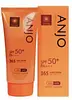 Key Ingredients
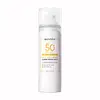
Benefits
Concerns
Ingredients Side-by-side
Cyclomethicone
Emollient
Titanium Dioxide
Cosmetic Colorant

Butylene Glycol
Humectant
Caprylic/Capric Triglyceride
Masking
Propylene Glycol
Humectant

Ethylhexyl Methoxycinnamate
UV Absorber
Cetyl PEG/PPG-10/1 Dimethicone
Emulsifying
4-Methylbenzylidene Camphor
UV Absorber
Zinc Oxide
Cosmetic Colorant
Paraffinum Liquidum
Emollient


Sorbitan Olivate
Emulsifying
Microcrystalline Wax
Emulsion Stabilising
Butyrospermum Parkii Butter
Skin Conditioning
Dimethicone
Emollient
CI 77492
Cosmetic ColorantSodium Hyaluronate
Humectant

Magnesium Sulfate
Beeswax
Emulsion Stabilising
CI 77491
Cosmetic ColorantCI 77499
Cosmetic ColorantAllantoin
Skin Conditioning


Betaine
Humectant
Sodium Chloride
Masking
Glyceryl Caprylate
EmollientCaprylyl Glycol
Emollient
Tocopheryl Acetate
Antioxidant

Camellia Sinensis Leaf Extract
Antimicrobial

Morus Alba Bark Extract
Skin ConditioningGlycyrrhiza Glabra Root Extract
Bleaching
Disodium EDTA
Cyclomethicone, Titanium Dioxide, Butylene Glycol, Caprylic/Capric Triglyceride, Propylene Glycol, Ethylhexyl Methoxycinnamate, Cetyl PEG/PPG-10/1 Dimethicone, 4-Methylbenzylidene Camphor, Zinc Oxide, Paraffinum Liquidum, Sorbitan Olivate, Microcrystalline Wax, Butyrospermum Parkii Butter, Dimethicone, CI 77492, Sodium Hyaluronate, Magnesium Sulfate, Beeswax, CI 77491, CI 77499, Allantoin, Betaine, Sodium Chloride, Glyceryl Caprylate, Caprylyl Glycol, Tocopheryl Acetate, Camellia Sinensis Leaf Extract, Morus Alba Bark Extract, Glycyrrhiza Glabra Root Extract, Disodium EDTA
Butane
Propane
Isobutane
Isododecane
EmollientWater
Skin ConditioningDisiloxane
Skin Conditioning
Dimethicone
Emollient
Ethylhexyl Methoxycinnamate
UV Absorber
Ethylhexyl Salicylate
UV Absorber
Diethylamino Hydroxybenzoyl Hexyl Benzoate
UV Filter
Menthyl Lactate
MaskingEthylhexyl Triazone
UV Absorber
Silica
Abrasive
Methyl Methacrylate Crosspolymer
Silica Dimethyl Silylate
EmollientMethicone
Emollient
Hamamelis Virginiana Water
Astringent
Methylparaben
Preservative

Aroma
Ethylhexylglycerin
Skin ConditioningPropanediol
Solvent
Piper Methysticum Leaf/Root/Stem Extract
Skin ConditioningCentella Asiatica Extract
Cleansing
Scutellaria Baicalensis Root Extract
AstringentPortulaca Oleracea Extract
Skin Conditioning
Phenoxyethanol
Preservative
Ceramide EOP
Skin Conditioning
Ceramide Ns
Skin Conditioning
Ceramide NP
Skin Conditioning
Ceramide As
Skin Conditioning
Ceramide AP
Skin Conditioning
Bifida Ferment Lysate
Skin Conditioning
Pentylene Glycol
Skin ConditioningDiethoxydiglycol
Solvent1,2-Hexanediol
Skin Conditioning
Pvp
Emulsion StabilisingChlorphenesin
Antimicrobial
Disodium EDTA
BHT
Antioxidant
Butane, Propane, Isobutane, Isododecane, Water, Disiloxane, Dimethicone, Ethylhexyl Methoxycinnamate, Ethylhexyl Salicylate, Diethylamino Hydroxybenzoyl Hexyl Benzoate, Menthyl Lactate, Ethylhexyl Triazone, Silica, Methyl Methacrylate Crosspolymer, Silica Dimethyl Silylate, Methicone, Hamamelis Virginiana Water, Methylparaben, Aroma, Ethylhexylglycerin, Propanediol, Piper Methysticum Leaf/Root/Stem Extract, Centella Asiatica Extract, Scutellaria Baicalensis Root Extract, Portulaca Oleracea Extract, Phenoxyethanol, Ceramide EOP, Ceramide Ns, Ceramide NP, Ceramide As, Ceramide AP, Bifida Ferment Lysate, Pentylene Glycol, Diethoxydiglycol, 1,2-Hexanediol, Pvp, Chlorphenesin, Disodium EDTA, BHT
Reviews
Ingredients Explained
These ingredients are found in both products.
Ingredients higher up in an ingredient list are typically present in a larger amount.
Dimethicone is a type of synthetic silicone created from natural materials such as quartz.
What it does:
Dimethicone comes in different viscosities:
Depending on the viscosity, dimethicone has different properties.
Ingredients lists don't always show which type is used, so we recommend reaching out to the brand if you have questions about the viscosity.
This ingredient is unlikely to cause irritation because it does not get absorbed into skin. However, people with silicone allergies should be careful about using this ingredient.
Note: Dimethicone may contribute to pilling. This is because it is not oil or water soluble, so pilling may occur when layered with products. When mixed with heavy oils in a formula, the outcome is also quite greasy.
Learn more about DimethiconeDisodium EDTA plays a role in making products more stable by aiding other preservatives.
It is a chelating agent, meaning it neutralizes metal ions that may be found in a product.
Disodium EDTA is a salt of edetic acid and is found to be safe in cosmetic ingredients.
Learn more about Disodium EDTAEthylhexyl Methoxycinnamate is an organic compound that provides UVB protection. It often goes by the more common name of octinoxate. It is created from methoxycinnamic acid and 2-ethylhexanol.
Ethylhexyl Methoxycinnamate absorbs UVB rays with wavelengths between 280-320 nm. UV absorbers protect your skin by using chemical reactions to convert UV rays into heat and energy.
UVB (290-320 nm) rays emit more energy than UVA rays. They are capable of damaging DNA, causing sunburns and are thought to be linked to skin cancer.
The state of Hawaii has banned sunscreens containing octinoxate due to its potential impact on coral reefs. More research is needed to bridge gaps in this research. The European Union allows higher levels of octinoxate in sunscreens than the US and Australia.
Ethylhexyl Methoxycinnamate is oil soluble. It is not stable and may lose efficacy when exposed to sunlight.
Learn more about Ethylhexyl Methoxycinnamate
