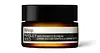
This anti-aging eye moisturizer is formulated around Butyrospermum Parkii Butter and Sodium Ascorbyl Phosphate to soften the look of wrinkles and hydrate skin.
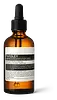
This barrier-repair serum is formulated around Niacinamide and Panthenol to strengthen the skin barrier and calm redness.

What's inside
What's inside
 Key Ingredients
Benefits
Concerns
Ingredients Side-by-side
Water
Skin ConditioningGlyceryl Stearate Se
Emulsifying




Butyrospermum Parkii Butter
Skin Conditioning

Stearyl Alcohol
Emollient
Glycerin
Humectant
Cetearyl Alcohol
Emollient
Simmondsia Chinensis Seed Oil
Emollient
Theobroma Cacao Seed Butter
Emollient
Sodium Ascorbyl Phosphate
Antioxidant






Tocopherol
Antioxidant

Candelilla/Jojoba/Rice Bran Polyglyceryl-3 Esters
Emulsifying
Glyceryl Stearate
Emollient
Lavandula Angustifolia Oil
Masking



1,2-Hexanediol
Skin Conditioning
Sodium Stearoyl Lactylate
EmulsifyingBenzyl Alcohol
Perfuming


Glycine Soja Oil
Emollient
Copernicia Cerifera Wax
Microcrystalline Cellulose
AbsorbentSodium Lactate
Buffering
Xanthan Gum
EmulsifyingSodium Stearoyl Glutamate
CleansingCitric Acid
Buffering
Sodium Dehydroacetate
Preservative
Cellulose Gum
Emulsion StabilisingOrmenis Multicaulis Oil
Masking
Sodium Gluconate
ChelatingCamellia Sinensis Leaf Extract
Antimicrobial
Carum Petroselinum Seed Oil
Masking
Pelvetia Canaliculata Extract
Skin Protecting
Sodium Citrate
BufferingDehydroacetic Acid
Preservative
Linalool
Perfuming
Limonene
Perfuming
Geraniol
Perfuming
Water, Glyceryl Stearate Se, Butyrospermum Parkii Butter, Stearyl Alcohol, Glycerin, Cetearyl Alcohol, Simmondsia Chinensis Seed Oil, Theobroma Cacao Seed Butter, Sodium Ascorbyl Phosphate, Tocopherol, Candelilla/Jojoba/Rice Bran Polyglyceryl-3 Esters, Glyceryl Stearate, Lavandula Angustifolia Oil, 1,2-Hexanediol, Sodium Stearoyl Lactylate, Benzyl Alcohol, Glycine Soja Oil, Copernicia Cerifera Wax, Microcrystalline Cellulose, Sodium Lactate, Xanthan Gum, Sodium Stearoyl Glutamate, Citric Acid, Sodium Dehydroacetate, Cellulose Gum, Ormenis Multicaulis Oil, Sodium Gluconate, Camellia Sinensis Leaf Extract, Carum Petroselinum Seed Oil, Pelvetia Canaliculata Extract, Sodium Citrate, Dehydroacetic Acid, Linalool, Limonene, Geraniol
Water
Skin ConditioningGlycerin
Humectant
Niacinamide
Smoothing

Polysorbate 20
Emulsifying
1,2-Hexanediol
Skin Conditioning
Polysorbate 80
Emulsifying
Trehalose
Humectant
Caesalpinia Spinosa Fruit Extract
Skin ProtectingPanthenol
Skin Conditioning
Hydroxyethylcellulose
Emulsion StabilisingSodium Gluconate
ChelatingAlcohol
Antimicrobial
Lavandula Angustifolia Oil
Masking
Kappaphycus Alvarezii Extract
Skin Conditioning
PEG-40 Hydrogenated Castor Oil
Emulsifying
Sodium Dehydroacetate
Preservative
Bisabolol
Antioxidant
Xanthan Gum
EmulsifyingMaltodextrin
Absorbent
Camellia Sinensis Leaf Extract
Antimicrobial
Tocopherol
Antioxidant
Citric Acid
Buffering
Ormenis Multicaulis Oil
Masking
Sodium Acetate
BufferingVitis Vinifera Seed Extract
Antimicrobial
Biosaccharide Gum-1
Humectant
Cellulose
Absorbent
Sodium Benzoate
Masking
Lactic Acid
Buffering
Carum Petroselinum Seed Oil
Masking
Potassium Sorbate
Preservative
Linalool
Perfuming
Limonene
Perfuming
Geraniol
Perfuming
Water, Glycerin, Niacinamide, Polysorbate 20, 1,2-Hexanediol, Polysorbate 80, Trehalose, Caesalpinia Spinosa Fruit Extract, Panthenol, Hydroxyethylcellulose, Sodium Gluconate, Alcohol, Lavandula Angustifolia Oil, Kappaphycus Alvarezii Extract, PEG-40 Hydrogenated Castor Oil, Sodium Dehydroacetate, Bisabolol, Xanthan Gum, Maltodextrin, Camellia Sinensis Leaf Extract, Tocopherol, Citric Acid, Ormenis Multicaulis Oil, Sodium Acetate, Vitis Vinifera Seed Extract, Biosaccharide Gum-1, Cellulose, Sodium Benzoate, Lactic Acid, Carum Petroselinum Seed Oil, Potassium Sorbate, Linalool, Limonene, Geraniol
Ingredients Explained
These ingredients are found in both products.
Ingredients higher up in an ingredient list are typically present in a larger amount.
1,2-Hexanediol is a synthetic liquid and another multi-functional powerhouse.
It is a:
- Humectant, drawing moisture into the skin
- Emollient, helping to soften skin
- Solvent, dispersing and stabilizing formulas
- Preservative booster, enhancing the antimicrobial activity of other preservatives
Camellia Sinensis Leaf Extract (tea extract) is one of the most well-researched plant extracts in skincare with an impressive resume.
Black tea, green tea, and oolong tea are all harvested from the Camellia Sinensis plant.
Studies show green tea extract and its catechins (like epigallocatechin gallate (EGCG)) help your skin cells product energy more efficiently and reducing the number of free-radicals that can damage your skin from the inside.
In lab-grown skin models, this translated to younger, healthier, and stronger skin.
There's also good sun protection data; researchers saw less DNA damage and redness on human skin when green tea was applied before UVB exposure. And the more they applied, the better the protection.
Needless to say, this ingredient shouldn't replace your sunscreen. But it is a great supportive ingredient that you can already find in many sunscreens and antioxidant serums.
A 2009 study found a 2% green tea lotion was effective for mild-to-moderate acne thanks to its anti-inflammatory and mild antimicrobial activity.
The quality of the extract matters a lot here:
Good extracts contain 50-90% catechins while lower quality ones are mostly there for marketing. We recommend reaching out to the brand if you have questions about the quality or source of their ingredients.
Human Repeated Insult Patch Testing showed no irritation or sensitization at use concentrations (0.86% in leave-on products and up to 30% as leaf water).
Learn more about Camellia Sinensis Leaf ExtractCarum Petroselinum Seed Oil is a fragrance and is an oil.
Citric Acid is an alpha hydroxy acid (AHA) naturally found in citrus fruits like oranges, lemons, and limes.
Like other AHAs, citric acid can exfoliate skin by breaking down the bonds that hold dead skin cells together. This helps reveal smoother and brighter skin underneath.
However, this exfoliating effect only happens at high concentrations (20%) which can be hard to find in cosmetic products.
Due to this, citric acid is usually included in small amounts as a pH adjuster. This helps keep products slightly more acidic and compatible with skin's natural pH.
In skincare formulas, citric acid can:
While it can provide some skin benefits, research shows lactic acid and glycolic acid are generally more effective and less irritating exfoliants.
Most citric acid used in skincare today is made by fermenting sugars (usually from molasses). This synthetic version is identical to the natural citrus form but easier to stabilize and use in formulations.
Rosacea skin has a lower threshold for acids generally, with 62.5% of rosacea subjects in one study reacting to lactic acid in a sting test. This is why we mark citric acid as a potential rosacea trigger.
However, this ingredient shows up as a pH adjuster or chelator at roughly 0.1-1% in many products. These low levels are unlikely to be an issue for rosacea skin and becomes a potential trigger at exfoliating concentrations (20%). Because everybody's skin is unique, we recommend a patch test if you are unsure.
Learn more about Citric AcidGeraniol is used to add fragrance/parfum to a product. It is the main component of citronellol. It is a monoterpenoid and an alcohol.
Monoterpenes are naturally found in many parts of different plants.
Geraniol can be found in many essential oils including Rose Oil and Citronella Oil. The scent of Geraniol is often described as "rose-like". Many foods also contain Geraniol for fruit flavoring.
Geraniol can irritate the skin when exposed to air. However, irritation depends on the ability of geraniol to penetrate into the skin. In general, geraniol is not able to penetrate skin easily.
Geraniol is colorless and has low water-solubility. However, it is soluble in common organic solvents.
Like citronellol, it is a natural insect repellent.
2,6-Octadien-1-ol, 3,7-dimethyl-, (2E)-
Learn more about GeraniolGlycerin (or glycerol) is a compound naturally found in your skin. It's a powerhouse humectant that pulls water into the stratum corneum.
Topically, glycerin does several things at once:
Your skin makes glycerin on its own (mostly from sebaceous oil breakdown) and shuttles it to your outermost layer of skin, or your epidermis, via aquaporin-3.
Aquaporin-3 is a transporter that is essential for normal skin hydration, elasticity, and repair. Interestingly, mice lacking in AQP3 have dry and less elastic skin that can be fully corrected with glycerin.
This ingredient is non-irritating, plays well with almost every ingredient, and works across all skin types. Typical use is anywhere between 3-10% but can go up to 79% in some leave-on products.
Just know very high concentrations (>40%) can feel tacky in low humidity.
Glycerin is the name for this ingredient in American English. British English uses Glycerol/Glycerine.
Learn more about GlycerinLavandula Angustifolia Oil is more commonly known as lavender essential oil. It is considered a fragrancing ingredient.
Lavender imparts a famous scent. While the smell is lovely, this ingredient and may sensitize skin in topical products. This is because about 85% of the oil is made up of linalool and linalyl acetate.
When exposed to air, these two compounds become strong allergens. This ingredient exhibits cytotoxicity at low concentrations; amounts of 0.25% have been shown to damage skin cells.
A study from Japan found this ingredient caused lavender sensitivity after widespread exposure.
Lavender essential oil has some antimicrobial, antibacterial, and anti-inflammatory properties. However, the cons of this ingredient may outweight the pros.
More research is needed to confirm lavender essential oil's effects when used in aromatherapy.
Lavandula Angustifolia is known as the English Lavender and famous for creating purple fields in Provence, France.
Learn more about Lavandula Angustifolia OilLimonene is the compound that gives citrus peel its smell.
In skincare, it shows up as a standalone fragrance ingredient or as a natural compound of citrus and other essential oils.
You'll typically see this ingredient used in very small amounts; anything above 0.001% in a leave-on product or 0.01% in a rinse-off has to be named on the label in the EU. The citrus oils that carry it sit around 0.5-1% in a finished formula.
Fresh limonene is a weak allergen; the real issue is that it slowly reacts with air and then breaks down from oxidation to create hydroperoxides (which are strong sensitizers). This is why suppliers are required to keep the peroxide value below 20 mmol.
Positive reactions in people being investigated for eczema vary:
It's worth skipping if you have a known fragrance allergy or a compromised barrier, but the risk is low for most people.
Older or long-opened products are also more likely to bother you than fresh ones due to oxidation.
Learn more about LimoneneLinalool is a small, naturally occurring scent molecule found in plants like lavender, coriander, bergamot, and more.
It is one of the two most-used fragrance ingredients in cosmetics and added purely for smell. Since it's not used for a skin benefit, there's no "effective dose". Concentration depends on the fragrance load of the product.
The EU requires it to be named on the label above 0.001% in leave-on and 0.01% in rinse-off products.
Fresh linalool is a weak sensitizer but air exposure turns some of it into hydroperoxides, which are strong sensitizers. Those oxidation products are the actual allergy concern.
Patch-test clinics see positive reactions to linalool hydroperoxides in about 4% to 12% of dermatitis patients depending on country and test concentration.
Resassuringly, one analytical study found hydroperoxide levels in real fragranced products to be orders of magnitude below what induced sensitization in animal studies with no evidence of oxidation building up during normal storage.
The practical takeaway is that linalool is fine for most people but worth avoiding if you have a confirmed fragrance contact allergy or a badly compromised barrier.
Products stored a long time after opening are also the high-risk scenario since that is when oxidation happens.
The scent of linalool is described as floral, spicy tropical, and citrus-like.
Learn more about LinaloolOrmenis Multicaulis Oil is an oil.
Sodium Dehydroacetate is a synthetic preservative and sodium salt form of dehydroacetic acid. It stops bacteria, mold, and yeast from growing in your products at low concentrations.
Clinical testing found it to be non-irritating, non-sensitizing, and non-photosensitizing. It's also not significantly absorbed through skin.
There are a very small number of reported cases of contact dermatitis in cases linked to wound-care creams used over compromised skin (rather than skincare).
Overall, this is a well-studied and low-risk preservative just doing its job.
Typical concentrations run up to 0.6%, which is also the maximum amount permitted under both EU CosIng regulations and US FDA guidelines.
Learn more about Sodium DehydroacetateSodium Gluconate is the sodium salt of gluconic acid. In skincare, its main job is as a chelator.
Chelators grab onto stray metal ions like iron and copper that sneak in through water, raw materials, or manufacturing equipment. This stops them from triggering reactions that cause oils to go rancid, formulas to change color, and actives like vitamin C to fall apart.
This ingredient is often chosen as a biodegradable, gentler-sounding alternative to EDTA. It also pulls double duty as a mild humectant and pH buffer.
Typical use levels sit around 0.1-1% and supplier documents list up to 10% as an acceptable ceiling. Industry data found this ingredient family is mostly used well below 1% in leave on products.
Allergy risk is very low; animal testing has found it to be non-irritating to skin and eyes, mutagenicity assays came back negative, and there are no published reports of allergic contact dermatitis to it.
Learn more about Sodium GluconateTocopherol is a fat-soluble antioxidant known as Vitamin E.
You'll find this ingredient in the vast majority of skincare (for good reason). It works to neutralize free radicals, or unstable molecules generated by UV exposure, pollution, and other environmental stressors, before they can cause oxidative damage to your skin cells.
Topically applied tocopherol has been shown to protect against UV damage by ramping up the skin's own natural defense enzymes.
It also acts as a skin conditioning agent; some studies show that regular topical use can improve the skin's water-binding capacity over 2-4 weeks.
This ingredient is especially loved for being a team player. When combined with Vitamin C, the photoprotective effect of both ingredients roughly doubles and the combo also helps reduce UV-induced DNA damage.
This ingredient has some brightening potential but it's more of a prevention ingredient than spot-fader. Cell studies show it can slow down melanin production but it's worth noting that it's not the most powerful brightener out there.
In formulations, it also serves as a stabilizer that helps protect other oxidation-prone ingredients from degrading.
Concentrations usually range from 0.1-1% in most leave-on products.
Learn more about TocopherolWater. It's the most common cosmetic ingredient of all. You'll usually see it at the top of ingredient lists, meaning that it makes up the largest part of the product.
So why is it so popular? Water most often acts as a solvent - this means that it helps dissolve other ingredients into the formulation.
You'll also recognize water as that liquid we all need to stay alive. If you see this, drink a glass of water. Remember to stay hydrated!
Learn more about WaterXanthan gum is used as a stabilizer and thickener within cosmetic products. It helps give products a sticky, thick feeling - preventing them from being too runny.
On the technical side of things, xanthan gum is a polysaccharide - a combination consisting of multiple sugar molecules bonded together.
Xanthan gum is a pretty common and great ingredient. It is a natural, non-toxic, non-irritating ingredient that is also commonly used in food products.
Learn more about Xanthan Gum

