
What's inside
What's inside
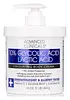 Key Ingredients
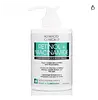
Benefits
Concerns
Ingredients Side-by-side
Water
Skin ConditioningLactic Acid
Buffering










Isopropyl Myristate
Emollient


Cetearyl Alcohol
Emollient

Glycerin
Humectant

Ceteareth-20
Cleansing
Sodium Hydroxide
BufferingCocos Nucifera Oil
Masking

Glycolic Acid
Buffering

C13-15 Alkane
SolventSqualane
Emollient
Dipotassium Glycyrrhizate
Humectant

Sodium Hyaluronate
Humectant
Aloe Barbadensis Leaf Juice Powder
Skin Conditioning
Camellia Sinensis Leaf Extract
Antimicrobial
Tocopherol
Antioxidant
Rosmarinus Officinalis Leaf Extract
AntimicrobialGlyceryl Stearate
Emollient
Polyacrylate Crosspolymer-6
Emulsion StabilisingPhenoxyethanol
Preservative
Dimethicone
Emollient
Ethylhexyl Olivate
Skin Conditioning
Hydroxyethyl Acrylate/Sodium Acryloyldimethyl Taurate Copolymer
Emulsion StabilisingIsohexadecane
EmollientCaprylyl Glycol
Emollient
Oryza Sativa Bran Extract
Skin Conditioning
Ethylhexylglycerin
Skin ConditioningCyamopsis Tetragonoloba Gum
Emulsion StabilisingPolysorbate 60
Emulsifying
Helianthus Annuus Extract
Emollient
Sorbitan Isostearate
Emulsifying
T-Butyl Alcohol
Perfuming


Water, Lactic Acid, Isopropyl Myristate, Cetearyl Alcohol, Glycerin, Ceteareth-20, Sodium Hydroxide, Cocos Nucifera Oil, Glycolic Acid, C13-15 Alkane, Squalane, Dipotassium Glycyrrhizate, Sodium Hyaluronate, Aloe Barbadensis Leaf Juice Powder, Camellia Sinensis Leaf Extract, Tocopherol, Rosmarinus Officinalis Leaf Extract, Glyceryl Stearate, Polyacrylate Crosspolymer-6, Phenoxyethanol, Dimethicone, Ethylhexyl Olivate, Hydroxyethyl Acrylate/Sodium Acryloyldimethyl Taurate Copolymer, Isohexadecane, Caprylyl Glycol, Oryza Sativa Bran Extract, Ethylhexylglycerin, Cyamopsis Tetragonoloba Gum, Polysorbate 60, Helianthus Annuus Extract, Sorbitan Isostearate, T-Butyl Alcohol
Water
Skin ConditioningGlycerin
Humectant
Cetyl Alcohol
Emollient
Caprylic/Capric Triglyceride
Masking
C13-15 Alkane
SolventButyrospermum Parkii Butter
Skin Conditioning
C18-21 Alkane
SolventRetinol
Skin Conditioning
Aloe Barbadensis Leaf Juice
Skin Conditioning
Glyceryl Stearate
Emollient
Cetearyl Phosphate
Skin Conditioning
Synthetic Beeswax
Emulsion Stabilising
Niacinamide
Smoothing
Oryza Sativa Bran Extract
Skin Conditioning
Helianthus Annuus Extract
Emollient
Rosmarinus Officinalis Leaf Extract
AntimicrobialXanthan Gum
EmulsifyingTocopherol
Antioxidant
Carbomer
Emulsion StabilisingTetrasodium Glutamate Diacetate
ChelatingPhenoxyethanol
Preservative
Caprylyl Glycol
Emollient
Ethylhexylglycerin
Skin ConditioningHexylene Glycol
EmulsifyingBHT
Antioxidant
Sodium Hydroxide
BufferingWater, Glycerin, Cetyl Alcohol, Caprylic/Capric Triglyceride, C13-15 Alkane, Butyrospermum Parkii Butter, C18-21 Alkane, Retinol, Aloe Barbadensis Leaf Juice, Glyceryl Stearate, Cetearyl Phosphate, Synthetic Beeswax, Niacinamide, Oryza Sativa Bran Extract, Helianthus Annuus Extract, Rosmarinus Officinalis Leaf Extract, Xanthan Gum, Tocopherol, Carbomer, Tetrasodium Glutamate Diacetate, Phenoxyethanol, Caprylyl Glycol, Ethylhexylglycerin, Hexylene Glycol, BHT, Sodium Hydroxide
Reviews
Ingredients Explained
These ingredients are found in both products.
Ingredients higher up in an ingredient list are typically present in a larger amount.
C13-15 Alkane is a group of alkanes with 13 to 15 carbon atoms in the alkyl chain.
It is a solvent and texture enhancer. Solvents are used to keep ingredients together in a product. They can help dissolve ingredients to stable bases or help evenly distribute ingredients throughout the product.
Caprylyl Glycol is a humectant, skin conditioner, emollient, and preservative booster derived from either caprylic acid or synthetically created.
Typical use levels vary from 0.3-1% as a preservative booster and go up to 2% to condition skin.
Because it is not a free-fatty acid, this ingredient is fungal acne safe (there's nothing for Malassezia to feed on).
Learn more about Caprylyl GlycolEthylhexylglycerin is created from glycerin. It is a multitasker ingredient that:
The CIR Expert Panel found minimal skin absorption or sensitization of any kind in a safety assessment. Though this ingredient is considered well-tolerated, a small number of cases of allergic dermatitis have been published since 2002. Just be sure to patch test if you are unsure.
Industry-reported use ranges from 8% in rinse-off products and 2% in leave-on formulations.
Learn more about EthylhexylglycerinGlycerin (or glycerol) is a compound naturally found in your skin. It's a powerhouse humectant that pulls water into the stratum corneum.
Topically, glycerin does several things at once:
Your skin makes glycerin on its own (mostly from sebaceous oil breakdown) and shuttles it to your outermost layer of skin, or your epidermis, via aquaporin-3.
Aquaporin-3 is a transporter that is essential for normal skin hydration, elasticity, and repair. Interestingly, mice lacking in AQP3 have dry and less elastic skin that can be fully corrected with glycerin.
This ingredient is non-irritating, plays well with almost every ingredient, and works across all skin types. Typical use is anywhere between 3-10% but can go up to 79% in some leave-on products.
Just know very high concentrations (>40%) can feel tacky in low humidity.
Glycerin is the name for this ingredient in American English. British English uses Glycerol/Glycerine.
Learn more about GlycerinGlyceryl Stearate is made by reacting glycerin with stearic acid (typically sourced from plant oils like palm or coconut). It's an emulsifier, emollient, and mild occlusive.
Emulsifiers help ingredients like oil and water stay mixed so your formula stays nicely blended and uniform in texture.
This ingredient is typically used in concentrations between 1-10%. Studies have found it to be non-sensitizing, non-phototoxic, and non-photoallergenic.
A close cousin of this ingredient is Glyceryl Stearate SE ("self-emulsifying"). This just has a small amount of sodium or potassium stearate added so it can emulsify without a co-emulsifier.
Since this ingredient is an ester of a C18 fatty acid, it may not be fungal acne safe. The Malassezia yeast can potentially metabolize within the C11-C24 range.
Fun fact: The human body also creates Glyceryl Stearate naturally.
Learn more about Glyceryl StearateHelianthus Annuus Extract comes from the common sunflower.
Sunflowers are rich in vitamin E. Studies show sunflowers contain antimicrobial and antioxidant properties.
The fatty acids found in sunflowers include (from highest amount to least): linoleic acid, myristic acid, palmitic acid, stearic acid, arachidic acid, oleic acid, and linolenic acid.
These fatty acids hydrate your skin. Emollients create a film on the skin to prevent moisture from escaping.
Learn more about Helianthus Annuus ExtractOryza Sativa Bran Extract comes from the outer layer of a rice kernel. It is a byproduct of milling rice, or the operation to produce a whole grain rice product.
This ingredient has moisturizing properties due to its components of polysaccharides and omega-3 fatty acids. It also contains calcium, selenium, phosphorus, iron, and zinc.
Oryza Sativa Bran Extract contains numerous antioxidants such as ferulic acid. Antioxidants help fight free-radical molecules. Free-radical molecules are capable of damaging our cells and other genetic material.
Learn more about Oryza Sativa Bran ExtractPhenoxyethanol is one of the most widely used preservatives in skincare (and for good reason!).
It has a large spectrum of antimicrobial activity and especially effective bacteria, yeast, and mold while only having a weak effect on your skin's natural microbiome.
On a cellular level, it disrupts the cell membranes of microbes by poking holes that make the cell leak. This shuts down the chemical reactions the microbe needs to make energy so it can no longer survive.
Another perk of this ingredient is that it stays functional across a wide pH range (3-10).
You'll often see it paired with boosters like Ethylhexylglycerin; one study showed that a 1:9 ratio of Ethylhexylglycerin to Phenoxyethanol damages bacterial membranes as effectively as doubling the Phenoxyethanol concentration on its own.
Typical use concentrations range from 0.3-1% depending on the formula, and this ingredient is capped at 1% int the EU.
Safety-wise, the fear mongering does not hold up to the evidence. The EU's Scientific Committee on Consumer Safety and FDA consider it safe as a preservative at up to 1%, including for children of all ages.
Adverse systemic effects only showed up in animal studies at exposures roughly 200x higher than what people get from cosmetics. And despite its very widespread use, this ingredient is a rare sensitizer and allergic reactions are uncommon.
Learn more about PhenoxyethanolThis is a botanical extract from the rosemary plant (the same one you cook with). In skincare, it mostly works as a skin conditioning agent.
Its activity comes from a handful of polyphenols, carnosic acid, carnosol, and rosmarinic acid. Almost 90% of the antioxidant activity of this ingredient can be attributed to canosol and carnosic acid.
These compounds protect your skin two ways:
1) They fight off free radicals, or the unstable molecules from things like sun and pollution that age and damage skin.
2) They help calm inflammation by switching off the chemical signals that tell skin to get red and irritated.
Lab studies also suggest that rosmarinic acid may help protect collagen and slow sugar-related damage to it.
The Cosmetic Ingredient Review has concluded rosemary-derived ingredients to be safe when formulated to be non-sensitizing.
Rosemary can occasionally cause allergic contact dermatitis (due to carnosol), so be sure to patch test if you have reactive or fragrance-sensitive skin.
Learn more about Rosmarinus Officinalis Leaf ExtractSodium Hydroxide is also known as lye or caustic soda. It is used to adjust the pH of products; many ingredients require a specific pH to be effective.
In small amounts, sodium hydroxide is considered safe to use. However, large amounts may cause chemical burns due to its high alkaline.
Your skin has a natural pH and acid mantle. This acid mantle helps prevent harmful bacteria from breaking through. The acid mantle also helps keep your skin hydrated.
"Alkaline" refers to a high pH level. A low pH level would be considered acidic.
Learn more about Sodium HydroxideTocopherol is a fat-soluble antioxidant known as Vitamin E.
You'll find this ingredient in the vast majority of skincare (for good reason). It works to neutralize free radicals, or unstable molecules generated by UV exposure, pollution, and other environmental stressors, before they can cause oxidative damage to your skin cells.
Topically applied tocopherol has been shown to protect against UV damage by ramping up the skin's own natural defense enzymes.
It also acts as a skin conditioning agent; some studies show that regular topical use can improve the skin's water-binding capacity over 2-4 weeks.
This ingredient is especially loved for being a team player. When combined with Vitamin C, the photoprotective effect of both ingredients roughly doubles and the combo also helps reduce UV-induced DNA damage.
This ingredient has some brightening potential but it's more of a prevention ingredient than spot-fader. Cell studies show it can slow down melanin production but it's worth noting that it's not the most powerful brightener out there.
In formulations, it also serves as a stabilizer that helps protect other oxidation-prone ingredients from degrading.
Concentrations usually range from 0.1-1% in most leave-on products.
Learn more about TocopherolWater. It's the most common cosmetic ingredient of all. You'll usually see it at the top of ingredient lists, meaning that it makes up the largest part of the product.
So why is it so popular? Water most often acts as a solvent - this means that it helps dissolve other ingredients into the formulation.
You'll also recognize water as that liquid we all need to stay alive. If you see this, drink a glass of water. Remember to stay hydrated!
Learn more about Water

