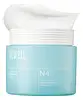
This barrier-repair moisturizer is formulated around Sodium Hyaluronate and Glycyrrhiza Uralensis Root Extract to strengthen the skin barrier and hydrate skin.
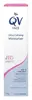
This calming moisturizer is formulated around Panthenol and Niacinamide to calm redness and strengthen the skin barrier.


What's inside
What's inside
 Key Ingredients
Benefits
Concerns
Ingredients Side-by-side
Water
Skin ConditioningGlycerin
Humectant


Dipropylene Glycol
HumectantPropanediol
Solvent
Hydrogenated Polydecene
Emollient1,2-Hexanediol
Skin Conditioning
Butylene Glycol
Humectant
Caprylic/Capric Triglyceride
Masking
Polymethylsilsesquioxane

Cetearyl Olivate


Acrylates/C10-30 Alkyl Acrylate Crosspolymer
Emulsion StabilisingTromethamine
BufferingSorbitan Olivate
Emulsifying
Sodium Polyacryloyldimethyl Taurate
Emulsion StabilisingBiosaccharide Gum-1
Humectant
Carbomer
Emulsion StabilisingGlyceryl Glucoside
Humectant
Ethylhexylglycerin
Skin ConditioningHydroxyethylcellulose
Emulsion StabilisingDisodium EDTA
Trideceth-10
CleansingHyaluronic Acid
Humectant

Hydrolyzed Hyaluronic Acid
Humectant
Portulaca Oleracea Extract
Skin Conditioning

Sodium Hyaluronate
Humectant
Brassica Oleracea Gemmifera Extract
AstringentHouttuynia Cordata Extract
Skin Conditioning
Sedum Sarmentosum Extract
HumectantHydrogenated Lecithin
Emulsifying
Linoleic Acid
Cleansing
Linolenic Acid
Cleansing

Carthamus Tinctorius Seed Oil
Masking
Polyglyceryl-10 Oleate
Skin Conditioning
Sucrose Palmitate
EmollientSalvia Hispanica Seed Oil
Emollient
Glycyrrhiza Uralensis Root Extract
Skin Conditioning
Saccharide Isomerate
Humectant
Citric Acid
Buffering

Sodium Citrate
BufferingWater, Glycerin, Dipropylene Glycol, Propanediol, Hydrogenated Polydecene, 1,2-Hexanediol, Butylene Glycol, Caprylic/Capric Triglyceride, Polymethylsilsesquioxane, Cetearyl Olivate, Acrylates/C10-30 Alkyl Acrylate Crosspolymer, Tromethamine, Sorbitan Olivate, Sodium Polyacryloyldimethyl Taurate, Biosaccharide Gum-1, Carbomer, Glyceryl Glucoside, Ethylhexylglycerin, Hydroxyethylcellulose, Disodium EDTA, Trideceth-10, Hyaluronic Acid, Hydrolyzed Hyaluronic Acid, Portulaca Oleracea Extract, Sodium Hyaluronate, Brassica Oleracea Gemmifera Extract, Houttuynia Cordata Extract, Sedum Sarmentosum Extract, Hydrogenated Lecithin, Linoleic Acid, Linolenic Acid, Carthamus Tinctorius Seed Oil, Polyglyceryl-10 Oleate, Sucrose Palmitate, Salvia Hispanica Seed Oil, Glycyrrhiza Uralensis Root Extract, Saccharide Isomerate, Citric Acid, Sodium Citrate
Water
Skin ConditioningGlycerin
Humectant
Paraffinum Liquidum
Emollient

Cyclopentasiloxane
Emollient
Cetearyl Alcohol
Emollient


Cyclohexasiloxane
Emollient
Isopropyl Myristate
Emollient
Disodium Lauriminodipropionate Tocopheryl Phosphates
CleansingCeteareth-20
Cleansing
Cetyl Alcohol
Emollient
Panthenol
Skin Conditioning
Niacinamide
Smoothing




Hamamelis Virginiana Water
Astringent
Sorbitan Olivate
Emulsifying
Cetearyl Olivate
Xanthan Gum
EmulsifyingMethylparaben
Preservative


Sodium PCA
Humectant
Propylparaben
Preservative
Carthamus Tinctorius Seed Oil
Masking
Citric Acid
Buffering
Avena Sativa Kernel Extract
Abrasive

Benzoic Acid
Masking
Potassium Sorbate
Preservative
Water, Glycerin, Paraffinum Liquidum, Cyclopentasiloxane, Cetearyl Alcohol, Cyclohexasiloxane, Isopropyl Myristate, Disodium Lauriminodipropionate Tocopheryl Phosphates, Ceteareth-20, Cetyl Alcohol, Panthenol, Niacinamide, Hamamelis Virginiana Water, Sorbitan Olivate, Cetearyl Olivate, Xanthan Gum, Methylparaben, Sodium PCA, Propylparaben, Carthamus Tinctorius Seed Oil, Citric Acid, Avena Sativa Kernel Extract, Benzoic Acid, Potassium Sorbate
Reviews
Ingredients Explained
These ingredients are found in both products.
Ingredients higher up in an ingredient list are typically present in a larger amount.
Carthamus Tinctorius Seed Oil comes from the seeds of the safflower plant. It is a skin conditioning agent that helps soften skin and keep it hydrated.
This seed oil has an unusual fatty acid profile: it is one of the highest linoleic acid plant oils out there (~55-77%). It also has low amounts of oleic acid, and this high-linoleic/low-oleic ratio gets people excited.
Linoleic acid helps maintain skin barrier integrity and is a building block for the ceramides in your stratum corneum. Notably, people with acne tend to have lower linoleic acid in their skin lipids as well (and this gets worse as acne gets more severe).
Overall, it's a lightweight, fast-absorbing oil that has a long safety track record. Lab testing has found it to be non-irritating for skin or eyes.
The Malassezia yeast can metabolize the fatty acids in this oil to grow; therefore this ingredient may not be fungal acne safe.
Learn more about Carthamus Tinctorius Seed OilCetearyl Olivate is a plant-derived emulsifier and texture enhancer. It helps keep the oil and water phases from separating so your formulas stay stable.
You'll likely see it combined with Sorbitan Olivate (together sold as the trade name Olivem 1000). This combination generates a liquid crystal structure that closely resemble the lipid organization of the stratum corneum.
These "skin-like" liquid crystals improve skin barrier integrity and promote the delivery of actives into the skin.
This ingredient is well-tolerated and has no significant sensitization data.
Because it is derived from the fatty acids in olive oil, this ingredient may not be fungal acne safe.
Learn more about Cetearyl OlivateCitric Acid is an alpha hydroxy acid (AHA) naturally found in citrus fruits like oranges, lemons, and limes.
Like other AHAs, citric acid can exfoliate skin by breaking down the bonds that hold dead skin cells together. This helps reveal smoother and brighter skin underneath.
However, this exfoliating effect only happens at high concentrations (20%) which can be hard to find in cosmetic products.
Due to this, citric acid is usually included in small amounts as a pH adjuster. This helps keep products slightly more acidic and compatible with skin's natural pH.
In skincare formulas, citric acid can:
While it can provide some skin benefits, research shows lactic acid and glycolic acid are generally more effective and less irritating exfoliants.
Most citric acid used in skincare today is made by fermenting sugars (usually from molasses). This synthetic version is identical to the natural citrus form but easier to stabilize and use in formulations.
Rosacea skin has a lower threshold for acids generally, with 62.5% of rosacea subjects in one study reacting to lactic acid in a sting test. This is why we mark citric acid as a potential rosacea trigger.
However, this ingredient shows up as a pH adjuster or chelator at roughly 0.1-1% in many products. These low levels are unlikely to be an issue for rosacea skin and becomes a potential trigger at exfoliating concentrations (20%). Because everybody's skin is unique, we recommend a patch test if you are unsure.
Learn more about Citric AcidGlycerin (or glycerol) is a compound naturally found in your skin. It's a powerhouse humectant that pulls water into the stratum corneum.
Topically, glycerin does several things at once:
Your skin makes glycerin on its own (mostly from sebaceous oil breakdown) and shuttles it to your outermost layer of skin, or your epidermis, via aquaporin-3.
Aquaporin-3 is a transporter that is essential for normal skin hydration, elasticity, and repair. Interestingly, mice lacking in AQP3 have dry and less elastic skin that can be fully corrected with glycerin.
This ingredient is non-irritating, plays well with almost every ingredient, and works across all skin types. Typical use is anywhere between 3-10% but can go up to 79% in some leave-on products.
Just know very high concentrations (>40%) can feel tacky in low humidity.
Glycerin is the name for this ingredient in American English. British English uses Glycerol/Glycerine.
Learn more about GlycerinSorbitan Olivate is created from the fatty acids in olive oil and sorbitol.
This ingredient is an oil in water emulsifier. It helps stabilize a product by preventing oils and waters from separating. Sorbitan Olivate also helps hydrate the skin.
This ingredient is also known as part of Olivem 1000, with Cetearyl Olivate being the other part.
According to a manufacturer, this ingredient helps preserve the natural microbiome of skin. Having a healthy microbiome helps keep our skin healthy and protects against harmful bacteria.
Please note, having a healthy microbiome is different from fungal acne; a healthy microbiome includes small amounts of yeast that normally live on your skin without causing problems.
Fungal acne happens when one type of yeast (Malassezia) grows out of control. This is usually because it's feeding on certain oils or fatty acids. Due to the olive oil base, this ingredient may not be fungal acne safe.
Learn more about Sorbitan OlivateWater. It's the most common cosmetic ingredient of all. You'll usually see it at the top of ingredient lists, meaning that it makes up the largest part of the product.
So why is it so popular? Water most often acts as a solvent - this means that it helps dissolve other ingredients into the formulation.
You'll also recognize water as that liquid we all need to stay alive. If you see this, drink a glass of water. Remember to stay hydrated!
Learn more about Water

