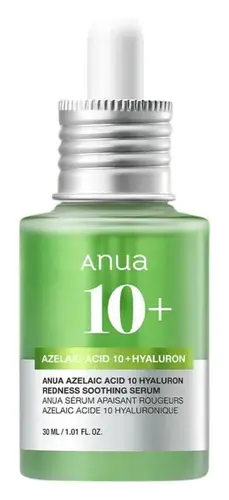
This calming day moisturizer is formulated around Sodium Hyaluronate and Cucumis Sativus Fruit Extract to calm redness and hydrate skin.
This barrier-repair moisturizer is formulated around Butyrospermum Parkii Butter and Squalane to strengthen the skin barrier and hydrate skin.


What's inside
What's inside
 Key Ingredients
Benefits
Concerns
Ingredients Side-by-side
Water
Skin ConditioningHexylene Glycol
EmulsifyingPolysorbate 20
Emulsifying

Propylene Glycol
Humectant

Sodium Hyaluronate
Humectant



Anhydroxylitol
Humectant
Cucumis Sativus Fruit Extract
Emollient
Xylitol
Humectant
Xylitylglucoside
Humectant
Tocopheryl Acetate
Antioxidant


Dimethylsilanol Hyaluronate
Humectant
Silica
Abrasive


Methylsilanol Mannuronate
Skin ConditioningBiosaccharide Gum-1
Humectant
Caesalpinia Spinosa Fruit Pod Extract
Helianthus Annuus Sprout Extract
Skin ConditioningCarbomer
Emulsion StabilisingBis-C16-20 Isoalkoxy Tmhdi/PEG-90 Copolymer
Phenoxyethanol
Preservative
Sodium Polyacryloyldimethyl Taurate
Emulsion StabilisingParfum
Masking


Sodium Gluconate
ChelatingSodium Hydroxide
BufferingHydroxyacetophenone
Antioxidant
Caprylyl Glycol
Emollient
Sodium Benzoate
Masking
Water, Hexylene Glycol, Polysorbate 20, Propylene Glycol, Sodium Hyaluronate, Anhydroxylitol, Cucumis Sativus Fruit Extract, Xylitol, Xylitylglucoside, Tocopheryl Acetate, Dimethylsilanol Hyaluronate, Silica, Methylsilanol Mannuronate, Biosaccharide Gum-1, Caesalpinia Spinosa Fruit Pod Extract, Helianthus Annuus Sprout Extract, Carbomer, Bis-C16-20 Isoalkoxy Tmhdi/PEG-90 Copolymer, Phenoxyethanol, Sodium Polyacryloyldimethyl Taurate, Parfum, Sodium Gluconate, Sodium Hydroxide, Hydroxyacetophenone, Caprylyl Glycol, Sodium Benzoate
Water
Skin ConditioningGlycerin
Humectant
Caprylic/Capric Triglyceride
Masking
Behenyl Alcohol
Emollient
C10-18 Triglycerides
Emollient
Butyrospermum Parkii Butter
Skin Conditioning

Arachidyl Alcohol
Emollient
Polyacrylate Crosspolymer-6
Emulsion StabilisingPolyglyceryl-2 Diisostearate
Emulsifying
Cetyl Stearate
Emollient
1,2-Hexanediol
Skin Conditioning
Caprylyl Glycol
Emollient
Dimethicone
Emollient
Isododecane
EmollientTocopheryl Acetate
Antioxidant
Arachidyl Glucoside
EmulsifyingCetyl Alcohol
Emollient
Hydroxyacetophenone
Antioxidant
Hydroxyethyl Acrylate/Sodium Acryloyldimethyl Taurate Copolymer
Emulsion StabilisingIsostearyl Isostearate
Emollient
Potassium Cetyl Phosphate
EmulsifyingSqualane
Emollient
Maltodextrin
Absorbent
Polyglutamic Acid
Skin Conditioning
Methylpropanediol
SolventPolysorbate 60
Emulsifying
Trisodium Ethylenediamine Disuccinate
ChelatingLactobacillus
Skin ConditioningStearic Acid
Cleansing
Sorbitan Isostearate
Emulsifying
Pentylene Glycol
Skin Conditioning
Biosaccharide Gum-4
Skin Conditioning
Hordeum Vulgare Leaf Extract
Skin ConditioningHydrogenated Lecithin
Emulsifying
Sodium Hydroxide
BufferingCentella Asiatica Leaf Extract
Skin Conditioning
Hyaluronic Acid
Humectant
Rosmarinus Officinalis Leaf Extract
AntimicrobialSilanetriol
Calcium Chloride
AstringentCitric Acid
Buffering
Water, Glycerin, Caprylic/Capric Triglyceride, Behenyl Alcohol, C10-18 Triglycerides, Butyrospermum Parkii Butter, Arachidyl Alcohol, Polyacrylate Crosspolymer-6, Polyglyceryl-2 Diisostearate, Cetyl Stearate, 1,2-Hexanediol, Caprylyl Glycol, Dimethicone, Isododecane, Tocopheryl Acetate, Arachidyl Glucoside, Cetyl Alcohol, Hydroxyacetophenone, Hydroxyethyl Acrylate/Sodium Acryloyldimethyl Taurate Copolymer, Isostearyl Isostearate, Potassium Cetyl Phosphate, Squalane, Maltodextrin, Polyglutamic Acid, Methylpropanediol, Polysorbate 60, Trisodium Ethylenediamine Disuccinate, Lactobacillus, Stearic Acid, Sorbitan Isostearate, Pentylene Glycol, Biosaccharide Gum-4, Hordeum Vulgare Leaf Extract, Hydrogenated Lecithin, Sodium Hydroxide, Centella Asiatica Leaf Extract, Hyaluronic Acid, Rosmarinus Officinalis Leaf Extract, Silanetriol, Calcium Chloride, Citric Acid
Ingredients Explained
These ingredients are found in both products.
Ingredients higher up in an ingredient list are typically present in a larger amount.
Caprylyl Glycol is a humectant, skin conditioner, emollient, and preservative booster derived from either caprylic acid or synthetically created.
Typical use levels vary from 0.3-1% as a preservative booster and go up to 2% to condition skin.
Because it is not a free-fatty acid, this ingredient is fungal acne safe (there's nothing for Malassezia to feed on).
Learn more about Caprylyl GlycolHydroxyacetophenone is a small phenolic molecule that earns its place in a formulas as an antioxidant and preservative booster.
As a phenol, it is able to neutralize free radicals to protect both the product and the skin from oxidative stress.
Though it can't kill microbes on its own, it works as a good supporting agent when combined with other preservatives like Phenoxyethanol or 1,2-Hexanediol.
This ingredient naturally occurs as piceol in Norwegian spruce needles (~0.4-1.1% dry weight and in cloudberries). Though the cosmetic-grade material is synthesized for purity and consistency.
You'll usually see it used at low levels and suppliers recommend up to 1% added to a water phase.
Safety testing was done at concentrations like 0.05% in SPF products and 0.5% in a Human Repeated Insult Patch Test. The safety evidence is assuring; this ingredient is safe for cosmetics in current use and also holds safety status as a food flavoring as well.
An honest caveat: the "soothing" and "anti-inflammatory" claims come mostly from supplier marketing rather than published clinical trials. The Cosmetic Ingredient Review's own literature search found no useful efficacy studies on this ingredient.
So the antioxidant and preservative-boosting roles are the well supported ones while the calming benefit is plausible but thinly evidenced.
Overall, this is a well-tolerated, low-irritation multitasker that quietly helps a formula stay fresh and stable.
Learn more about HydroxyacetophenoneSodium Hydroxide is also known as lye or caustic soda. It is used to adjust the pH of products; many ingredients require a specific pH to be effective.
In small amounts, sodium hydroxide is considered safe to use. However, large amounts may cause chemical burns due to its high alkaline.
Your skin has a natural pH and acid mantle. This acid mantle helps prevent harmful bacteria from breaking through. The acid mantle also helps keep your skin hydrated.
"Alkaline" refers to a high pH level. A low pH level would be considered acidic.
Learn more about Sodium HydroxideTocopheryl Acetate is a stable, shelf-friendly form of vitamin E.
Formulators love it because plain vitamin E oxidizes quickly once it hits air. This acetate version stays stable and resists going off, helping to extend a product's shelf life.
It's actually inactive on its own and works like a slow-release "storage" form; the enzymes in your skin called esterases gradually convert it into active vitamin E over time.
One in vivo study showed 5% of the acetate in the living layer of the epidermis converted to vitamin E after 5 days of application. This study also found the skin gained protection against UV damage even though the conversion was slow and small.
Once converted, vitamin E acts as a skin's main fat-soluble antioxidant that fights free radicals to protect skin from damage.
Topical vitamin E generally boosts the skin's photoprotection, and it reduced UV-damage in animal models.
This ingredient has some brightening potential but it's more of a prevention ingredient than spot-fader. Cell studies show it can slow down melanin production but it's worth noting that it's not the most powerful brightener out there.
Overall, it has a pretty solid safety profile and has been found to be non-irritating and non-comedogenic. Allergic reactions may happen but stay rare due to how widely the ingredient gets used.
The concentration will vary depending on the formula; industry data shows 0.1% in baby lotions, 3% in lipsticks, and 5% in foot powders. You can also find this ingredient at 100% in a pure vitamin E oil.
Most leave-on skincare keeps it at the lower end, often between 0.5-1%.
Learn more about Tocopheryl AcetateWater. It's the most common cosmetic ingredient of all. You'll usually see it at the top of ingredient lists, meaning that it makes up the largest part of the product.
So why is it so popular? Water most often acts as a solvent - this means that it helps dissolve other ingredients into the formulation.
You'll also recognize water as that liquid we all need to stay alive. If you see this, drink a glass of water. Remember to stay hydrated!
Learn more about Water