82°E Cucumber Quench Versus 82°E Sugarcane Soak
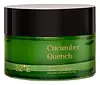
This calming day moisturizer is formulated around Sodium Hyaluronate and Cucumis Sativus Fruit Extract to calm redness and hydrate skin.
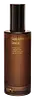
This mandelic acid gel cleanser is formulated around Mandelic Acid to exfoliate and smooth skin.

What's inside
What's inside
 Key Ingredients
Benefits
Concerns
Ingredients Side-by-side
Water
Skin ConditioningHexylene Glycol
EmulsifyingPolysorbate 20
Emulsifying

Propylene Glycol
Humectant

Sodium Hyaluronate
Humectant



Anhydroxylitol
Humectant
Cucumis Sativus Fruit Extract
Emollient
Xylitol
Humectant
Xylitylglucoside
Humectant
Tocopheryl Acetate
Antioxidant


Dimethylsilanol Hyaluronate
Humectant
Silica
Abrasive


Methylsilanol Mannuronate
Skin ConditioningBiosaccharide Gum-1
Humectant
Caesalpinia Spinosa Fruit Pod Extract
Helianthus Annuus Sprout Extract
Skin ConditioningCarbomer
Emulsion StabilisingBis-C16-20 Isoalkoxy Tmhdi/PEG-90 Copolymer
Phenoxyethanol
Preservative
Sodium Polyacryloyldimethyl Taurate
Emulsion StabilisingParfum
Masking


Sodium Gluconate
ChelatingSodium Hydroxide
BufferingHydroxyacetophenone
Antioxidant
Caprylyl Glycol
Emollient
Sodium Benzoate
Masking
Water, Hexylene Glycol, Polysorbate 20, Propylene Glycol, Sodium Hyaluronate, Anhydroxylitol, Cucumis Sativus Fruit Extract, Xylitol, Xylitylglucoside, Tocopheryl Acetate, Dimethylsilanol Hyaluronate, Silica, Methylsilanol Mannuronate, Biosaccharide Gum-1, Caesalpinia Spinosa Fruit Pod Extract, Helianthus Annuus Sprout Extract, Carbomer, Bis-C16-20 Isoalkoxy Tmhdi/PEG-90 Copolymer, Phenoxyethanol, Sodium Polyacryloyldimethyl Taurate, Parfum, Sodium Gluconate, Sodium Hydroxide, Hydroxyacetophenone, Caprylyl Glycol, Sodium Benzoate
Water
Skin ConditioningSorbitol
Humectant
Disodium Cocoyl Glutamate
Cleansing
Coco-Glucoside
Cleansing
Cocamidopropyl Betaine
Cleansing
Vaccinium Myrtillus Fruit Extract
Skin ConditioningSaccharide Isomerate
Humectant
Panthenol
Skin Conditioning
Polyglyceryl-6 Caprylate
EmulsifyingPolyglyceryl-4 Caprate
EmulsifyingMandelic Acid
Antimicrobial



Saccharum Officinarum Extract
MoisturisingCitrus Aurantium Dulcis Fruit Extract
MaskingCitrus Limon Fruit Extract
Masking
PEG-45
HumectantTocopheryl Acetate
Antioxidant
Acer Saccharum Extract
Skin ConditioningGlyceryl Oleate
Emollient
Acrylates/C10-30 Alkyl Acrylate Crosspolymer
Emulsion StabilisingPEG-160 Sorbitan Triisostearate
Cleansing
Caprylyl Glycol
Emollient
Sodium Benzoate
Masking
Sodium Gluconate
ChelatingCitric Acid
Buffering
Sodium Citrate
BufferingSodium Hydroxide
BufferingWater, Sorbitol, Disodium Cocoyl Glutamate, Coco-Glucoside, Cocamidopropyl Betaine, Vaccinium Myrtillus Fruit Extract, Saccharide Isomerate, Panthenol, Polyglyceryl-6 Caprylate, Polyglyceryl-4 Caprate, Mandelic Acid, Saccharum Officinarum Extract, Citrus Aurantium Dulcis Fruit Extract, Citrus Limon Fruit Extract, PEG-45, Tocopheryl Acetate, Acer Saccharum Extract, Glyceryl Oleate, Acrylates/C10-30 Alkyl Acrylate Crosspolymer, PEG-160 Sorbitan Triisostearate, Caprylyl Glycol, Sodium Benzoate, Sodium Gluconate, Citric Acid, Sodium Citrate, Sodium Hydroxide
Reviews
Ingredients Explained
These ingredients are found in both products.
Ingredients higher up in an ingredient list are typically present in a larger amount.
Caprylyl Glycol is a humectant, skin conditioner, emollient, and preservative booster derived from either caprylic acid or synthetically created.
Typical use levels vary from 0.3-1% as a preservative booster and go up to 2% to condition skin.
Because it is not a free-fatty acid, this ingredient is fungal acne safe (there's nothing for Malassezia to feed on).
Learn more about Caprylyl GlycolSodium Benzoate is a preservative. It's used in both cosmetic and food products to inhibit the growth of mold and bacteria. It is typically produced synthetically.
Both the US FDA and EU Health Committee have approved the use of sodium benzoate. In the US, levels of 0.1% (of the total product) are allowed.
Sodium benzoate works as a preservative by inhibiting the growth of bacteria inside of cells. It prevents the cell from fermenting a type of sugar using an enzyme called phosphofructokinase.
It is the salt of benzoic acid. Foods containing sodium benzoate include soda, salad dressings, condiments, fruit juices, wines, and snack foods.
Studies for using ascorbic acid and sodium benzoate in cosmetics are lacking, especially in skincare routines with multiple steps.
We always recommend speaking with a professional, such as a dermatologist, if you have any concerns.
Learn more about Sodium BenzoateSodium Gluconate is the sodium salt of gluconic acid. In skincare, its main job is as a chelator.
Chelators grab onto stray metal ions like iron and copper that sneak in through water, raw materials, or manufacturing equipment. This stops them from triggering reactions that cause oils to go rancid, formulas to change color, and actives like vitamin C to fall apart.
This ingredient is often chosen as a biodegradable, gentler-sounding alternative to EDTA. It also pulls double duty as a mild humectant and pH buffer.
Typical use levels sit around 0.1-1% and supplier documents list up to 10% as an acceptable ceiling. Industry data found this ingredient family is mostly used well below 1% in leave on products.
Allergy risk is very low; animal testing has found it to be non-irritating to skin and eyes, mutagenicity assays came back negative, and there are no published reports of allergic contact dermatitis to it.
Learn more about Sodium GluconateSodium Hydroxide is also known as lye or caustic soda. It is used to adjust the pH of products; many ingredients require a specific pH to be effective.
In small amounts, sodium hydroxide is considered safe to use. However, large amounts may cause chemical burns due to its high alkaline.
Your skin has a natural pH and acid mantle. This acid mantle helps prevent harmful bacteria from breaking through. The acid mantle also helps keep your skin hydrated.
"Alkaline" refers to a high pH level. A low pH level would be considered acidic.
Learn more about Sodium HydroxideTocopheryl Acetate is a stable, shelf-friendly form of vitamin E.
Formulators love it because plain vitamin E oxidizes quickly once it hits air. This acetate version stays stable and resists going off, helping to extend a product's shelf life.
It's actually inactive on its own and works like a slow-release "storage" form; the enzymes in your skin called esterases gradually convert it into active vitamin E over time.
One in vivo study showed 5% of the acetate in the living layer of the epidermis converted to vitamin E after 5 days of application. This study also found the skin gained protection against UV damage even though the conversion was slow and small.
Once converted, vitamin E acts as a skin's main fat-soluble antioxidant that fights free radicals to protect skin from damage.
Topical vitamin E generally boosts the skin's photoprotection, and it reduced UV-damage in animal models.
This ingredient has some brightening potential but it's more of a prevention ingredient than spot-fader. Cell studies show it can slow down melanin production but it's worth noting that it's not the most powerful brightener out there.
Overall, it has a pretty solid safety profile and has been found to be non-irritating and non-comedogenic. Allergic reactions may happen but stay rare due to how widely the ingredient gets used.
The concentration will vary depending on the formula; industry data shows 0.1% in baby lotions, 3% in lipsticks, and 5% in foot powders. You can also find this ingredient at 100% in a pure vitamin E oil.
Most leave-on skincare keeps it at the lower end, often between 0.5-1%.
Learn more about Tocopheryl AcetateWater. It's the most common cosmetic ingredient of all. You'll usually see it at the top of ingredient lists, meaning that it makes up the largest part of the product.
So why is it so popular? Water most often acts as a solvent - this means that it helps dissolve other ingredients into the formulation.
You'll also recognize water as that liquid we all need to stay alive. If you see this, drink a glass of water. Remember to stay hydrated!
Learn more about Water

