Wishful Honey Balm Niacinamide Moisturizer Versus Clinique Clinique iD Dramatically Different Hydrating Jelly & Active Cartridge Concentrate for Lines & Wrinkles
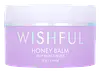
This brightening moisturizer is formulated around Niacinamide and Honey Extract to brighten dull-looking skin and hydrate skin.
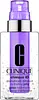
This anti-aging moisturizer is formulated around Acetyl Hexapeptide-8 and Palmitoyl Tetrapeptide-7 to soften the look of wrinkles.

What's inside
What's inside
 Key Ingredients
Benefits
Concerns
Ingredients Side-by-side
Water
Skin ConditioningDimethicone
Emollient

Dipropylene Glycol
HumectantGlycerin
Humectant

Glycereth-26
Humectant
PCA Dimethicone
Skin Conditioning
Cetearyl Alcohol
Emollient






Bis-Diglyceryl Polyacyladipate-2
Emollient
Niacinamide
Smoothing









Glyceryl Stearate
Emollient
PEG-100 Stearate
Surfactant
Biosaccharide Gum-4
Skin Conditioning
Honey Extract
Humectant
Lavandula Angustifolia Oil
Masking




Curcuma Longa Root Extract
Antioxidant
Adenosine
Skin Conditioning
Carthamus Tinctorius Seed Oil
Masking
Citrullus Lanatus Fruit Extract
Skin Conditioning
Leuconostoc/Radish Root Ferment Filtrate
Antimicrobial
Ceramide NP
Skin Conditioning
Caprylic/Capric Triglyceride
Masking
Dipotassium Glycyrrhizate
Humectant
Caprylyl Glycol
Emollient
Hydrogenated Lecithin
Emulsifying
Xanthan Gum
EmulsifyingPolysorbate 60
Emulsifying
Tocopheryl Acetate
Antioxidant
Ammonium Acryloyldimethyltaurate/Vp Copolymer
Disodium EDTA
ChelatingPhenoxyethanol
Preservative
Linalool
Perfuming
Geraniol
Perfuming
Limonene
Perfuming
Mica
Cosmetic ColorantTin Oxide
Abrasive
CI 77891
Cosmetic ColorantWater, Dimethicone, Dipropylene Glycol, Glycerin, Glycereth-26, PCA Dimethicone, Cetearyl Alcohol, Bis-Diglyceryl Polyacyladipate-2, Niacinamide, Glyceryl Stearate, PEG-100 Stearate, Biosaccharide Gum-4, Honey Extract, Lavandula Angustifolia Oil, Curcuma Longa Root Extract, Adenosine, Carthamus Tinctorius Seed Oil, Citrullus Lanatus Fruit Extract, Leuconostoc/Radish Root Ferment Filtrate, Ceramide NP, Caprylic/Capric Triglyceride, Dipotassium Glycyrrhizate, Caprylyl Glycol, Hydrogenated Lecithin, Xanthan Gum, Polysorbate 60, Tocopheryl Acetate, Ammonium Acryloyldimethyltaurate/Vp Copolymer, Disodium EDTA, Phenoxyethanol, Linalool, Geraniol, Limonene, Mica, Tin Oxide, CI 77891
Water
Skin ConditioningBis-PEG-18 Methyl Ether Dimethyl Silane
EmollientButylene Glycol
Humectant
Glycerin
Humectant
Cucumis Sativus Fruit Extract
Emollient
Hypnea Musciformis Extract
Skin Protecting
Gelidiella Acerosa Extract
Skin Protecting
Hordeum Vulgare Extract
EmollientPadina Pavonica Thallus Extract
Skin ConditioningHelianthus Annuus Seedcake
Abrasive
Sucrose
Humectant
Caffeine
Skin Conditioning
Sodium Hyaluronate
Humectant
Hydroxyethyl Urea
Humectant
Hydrolyzed Rice Extract
Skin Conditioning
Sorbitol
Humectant
Sodium Polyaspartate
HumectantPPG-6-Decyltetradeceth-30
EmulsifyingEthylhexylglycerin
Skin ConditioningPropylene Glycol Dicaprate
EmollientCaprylyl Glycol
Emollient
Trehalose
Humectant
Polysorbate 80
Emulsifying
Carbomer
Emulsion StabilisingSodium Hydroxide
BufferingHexylene Glycol
EmulsifyingCitric Acid
Buffering
Sodium Citrate
BufferingDisodium EDTA
ChelatingPhenoxyethanol
Preservative
Whey Protein
Skin ConditioningPentylene Glycol
Skin Conditioning
Prunus Amygdalus Dulcis Seed Extract
Skin ConditioningPorphyridium Cruentum Extract
Skin ConditioningAcetyl Hexapeptide-8
Humectant
Palmitoyl Tetrapeptide-7
Skin Conditioning
Palmitoyl Tripeptide-1
Skin Conditioning
Micrococcus Lysate
Skin ConditioningPullulan
Taurine
BufferingHydroxypropyl Methylcellulose
Emulsion StabilisingLecithin
Emollient
Xanthan Gum
EmulsifyingPolysorbate 20
Emulsifying
CI 42090
Cosmetic ColorantCI 17200
Cosmetic ColorantWater, Bis-PEG-18 Methyl Ether Dimethyl Silane, Butylene Glycol, Glycerin, Cucumis Sativus Fruit Extract, Hypnea Musciformis Extract, Gelidiella Acerosa Extract, Hordeum Vulgare Extract, Padina Pavonica Thallus Extract, Helianthus Annuus Seedcake, Sucrose, Caffeine, Sodium Hyaluronate, Hydroxyethyl Urea, Hydrolyzed Rice Extract, Sorbitol, Sodium Polyaspartate, PPG-6-Decyltetradeceth-30, Ethylhexylglycerin, Propylene Glycol Dicaprate, Caprylyl Glycol, Trehalose, Polysorbate 80, Carbomer, Sodium Hydroxide, Hexylene Glycol, Citric Acid, Sodium Citrate, Disodium EDTA, Phenoxyethanol, Whey Protein, Pentylene Glycol, Prunus Amygdalus Dulcis Seed Extract, Porphyridium Cruentum Extract, Acetyl Hexapeptide-8, Palmitoyl Tetrapeptide-7, Palmitoyl Tripeptide-1, Micrococcus Lysate, Pullulan, Taurine, Hydroxypropyl Methylcellulose, Lecithin, Xanthan Gum, Polysorbate 20, CI 42090, CI 17200
Reviews
Ingredients Explained
These ingredients are found in both products.
Ingredients higher up in an ingredient list are typically present in a larger amount.
Caprylyl Glycol is a humectant, skin conditioner, emollient, and preservative booster derived from either caprylic acid or synthetically created.
Typical use levels vary from 0.3-1% as a preservative booster and go up to 2% to condition skin.
Because it is not a free-fatty acid, this ingredient is fungal acne safe (there's nothing for Malassezia to feed on).
Learn more about Caprylyl GlycolDisodium EDTA is a chelating agent. It grabs onto and deactivates metal ions that sneak into your products from water, packaging, or air.
This ingredient mainly works behind the scenes and helps with:
On top of that, this ingredient can counteract the effects of hard water by binding to the minerals in it.
One thing worth knowing is that Disodium EDTA has been shown to be a mild penetration enhancer. It can help other ingredients absorb into skin more effectively which can be a double-edged sword (great for actives, but can also make the active too strong if you have sensitive skin).
Clinical patch testing showed no significant skin irritation at typical use concentrations and minimal dermal absorption.
You'll most likely see this ingredient near the end of an ingredient list. It's typically found in concentrations less than 1%.
Learn more about Disodium EDTAGlycerin (or glycerol) is a compound naturally found in your skin. It's a powerhouse humectant that pulls water into the stratum corneum.
Topically, glycerin does several things at once:
Your skin makes glycerin on its own (mostly from sebaceous oil breakdown) and shuttles it to your outermost layer of skin, or your epidermis, via aquaporin-3.
Aquaporin-3 is a transporter that is essential for normal skin hydration, elasticity, and repair. Interestingly, mice lacking in AQP3 have dry and less elastic skin that can be fully corrected with glycerin.
This ingredient is non-irritating, plays well with almost every ingredient, and works across all skin types. Typical use is anywhere between 3-10% but can go up to 79% in some leave-on products.
Just know very high concentrations (>40%) can feel tacky in low humidity.
Glycerin is the name for this ingredient in American English. British English uses Glycerol/Glycerine.
Learn more about GlycerinPhenoxyethanol is one of the most widely used preservatives in skincare (and for good reason!).
It has a large spectrum of antimicrobial activity and especially effective bacteria, yeast, and mold while only having a weak effect on your skin's natural microbiome.
On a cellular level, it disrupts the cell membranes of microbes by poking holes that make the cell leak. This shuts down the chemical reactions the microbe needs to make energy so it can no longer survive.
Another perk of this ingredient is that it stays functional across a wide pH range (3-10).
You'll often see it paired with boosters like Ethylhexylglycerin; one study showed that a 1:9 ratio of Ethylhexylglycerin to Phenoxyethanol damages bacterial membranes as effectively as doubling the Phenoxyethanol concentration on its own.
Typical use concentrations range from 0.3-1% depending on the formula, and this ingredient is capped at 1% int the EU.
Safety-wise, the fear mongering does not hold up to the evidence. The EU's Scientific Committee on Consumer Safety and FDA consider it safe as a preservative at up to 1%, including for children of all ages.
Adverse systemic effects only showed up in animal studies at exposures roughly 200x higher than what people get from cosmetics. And despite its very widespread use, this ingredient is a rare sensitizer and allergic reactions are uncommon.
Learn more about PhenoxyethanolWater. It's the most common cosmetic ingredient of all. You'll usually see it at the top of ingredient lists, meaning that it makes up the largest part of the product.
So why is it so popular? Water most often acts as a solvent - this means that it helps dissolve other ingredients into the formulation.
You'll also recognize water as that liquid we all need to stay alive. If you see this, drink a glass of water. Remember to stay hydrated!
Learn more about WaterXanthan gum is used as a stabilizer and thickener within cosmetic products. It helps give products a sticky, thick feeling - preventing them from being too runny.
On the technical side of things, xanthan gum is a polysaccharide - a combination consisting of multiple sugar molecules bonded together.
Xanthan gum is a pretty common and great ingredient. It is a natural, non-toxic, non-irritating ingredient that is also commonly used in food products.
Learn more about Xanthan Gum

