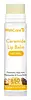
This barrier-repair lip moisturizer is formulated around Niacinamide and Kojic Acid to strengthen the lip barrier and hydrate lips.
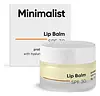
This barrier-repair lip moisturizer is formulated around Butyrospermum Parkii Butter and Sodium Hyaluronate to strengthen the lip barrier and hydrate lips.

What's inside
What's inside
 Key Ingredients
Benefits
Concerns
Ingredients Side-by-side
Ricinus Communis Seed Oil
Masking




Euphorbia Cerifera Wax
Cocos Nucifera Oil
Masking



Butyrospermum Parkii Butter
Skin Conditioning
Bis-Ethylhexyloxyphenol Methoxyphenyl Triazine
UV Absorber
Methylene Bis-Benzotriazolyl Tetramethylbutylphenol
UV Filter
Theobroma Cacao Seed Butter
Emollient
Prunus Amygdalus Dulcis Oil
Skin Conditioning
Daucus Carota Sativa Seed Oil
Emollient
Niacinamide
Smoothing









Kojic Acid
Antioxidant

Copernicia Cerifera Wax
Ceramide NP
Skin Conditioning
Ceramide AP
Skin Conditioning
Dicaprylyl Carbonate
EmollientCeramide EOP
Skin Conditioning
Cetearyl Olivate
Sorbitan Olivate
Emulsifying
Zinc Oxide
Cosmetic Colorant
Titanium Dioxide
Cosmetic Colorant
Caprylyl Methicone
Skin Conditioning
Tocopherol
Antioxidant
Glycyrrhiza Glabra Root Extract
Bleaching
Ricinus Communis Seed Oil, Euphorbia Cerifera Wax, Cocos Nucifera Oil, Butyrospermum Parkii Butter, Bis-Ethylhexyloxyphenol Methoxyphenyl Triazine, Methylene Bis-Benzotriazolyl Tetramethylbutylphenol, Theobroma Cacao Seed Butter, Prunus Amygdalus Dulcis Oil, Daucus Carota Sativa Seed Oil, Niacinamide, Kojic Acid, Copernicia Cerifera Wax, Ceramide NP, Ceramide AP, Dicaprylyl Carbonate, Ceramide EOP, Cetearyl Olivate, Sorbitan Olivate, Zinc Oxide, Titanium Dioxide, Caprylyl Methicone, Tocopherol, Glycyrrhiza Glabra Root Extract
C12-18 Alkanoyl Glycerin/Sebacic Acid Copolymer
Hydrogenated Polyisobutene
EmollientDiisopropyl Adipate
EmollientPropylene Glycol Dicaprylate/Dicaprate
EmollientC12-15 Alkyl Benzoate
AntimicrobialDiisopropyl Sebacate
EmollientMicrocrystalline Wax
Emulsion StabilisingC18-38 Alkyl Hydroxystearoyl Stearate
EmollientPersea Gratissima Butter
Skin Conditioning
Diethylamino Hydroxybenzoyl Hexyl Benzoate
UV Filter
Cetearyl Alcohol
Emollient
Ceteareth-20
Cleansing
Behenyl Alcohol
Emollient
Neopentyl Glycol Diheptanoate
EmollientPropylene Glycol Dibenzoate
Skin ConditioningCera Alba
Emollient
Ethylhexyl Triazone
UV Absorber
Butyrospermum Parkii Butter
Skin Conditioning
Euphorbia Cerifera Cera
Astringent
Ozokerite
Emulsion StabilisingTocopheryl Acetate
Antioxidant
Sodium Hyaluronate
Humectant
Bis-Ethylhexyloxyphenol Methoxyphenyl Triazine
UV Absorber
Ceramide NP
Skin Conditioning
Diisostearyl Malate
EmollientEthylhexyl Palmitate
Emollient
Trihydroxystearin
Skin Conditioning
Amorphophallus Konjac Root Powder
Abrasive
BHT
Antioxidant
C12-18 Alkanoyl Glycerin/Sebacic Acid Copolymer, Hydrogenated Polyisobutene, Diisopropyl Adipate, Propylene Glycol Dicaprylate/Dicaprate, C12-15 Alkyl Benzoate, Diisopropyl Sebacate, Microcrystalline Wax, C18-38 Alkyl Hydroxystearoyl Stearate, Persea Gratissima Butter, Diethylamino Hydroxybenzoyl Hexyl Benzoate, Cetearyl Alcohol, Ceteareth-20, Behenyl Alcohol, Neopentyl Glycol Diheptanoate, Propylene Glycol Dibenzoate, Cera Alba, Ethylhexyl Triazone, Butyrospermum Parkii Butter, Euphorbia Cerifera Cera, Ozokerite, Tocopheryl Acetate, Sodium Hyaluronate, Bis-Ethylhexyloxyphenol Methoxyphenyl Triazine, Ceramide NP, Diisostearyl Malate, Ethylhexyl Palmitate, Trihydroxystearin, Amorphophallus Konjac Root Powder, BHT
Reviews
Ingredients Explained
These ingredients are found in both products.
Ingredients higher up in an ingredient list are typically present in a larger amount.
This ingredient is better known as bemotrizinol or Tinosorb S and is one of the best broad-spectrum UV filters in modern sunscreen.
It works by absorbing UV light across a whole range (280-400 nm) with peaks around 310 nm (UVB) and 340-345 nm (UVA). This means it covers UVB plus the deeper UVA wavelengths that drive photoaging and pigmentation.
Another pro?
It's exceptionally photostable, barely degrades in sunlight, and acts as a "bodyguard" for less stable filters.
That's why you'll see it paired with avobenzone or octinoxate; this team up ensures they keep working through sun exposure.
Safety reviews have been reassuring across the board. This ingredient shows low absorption through the skin, rarely irritates, and lab studies found it doesn't act like a hormone in the body (a concern that's been raised about some older sunscreen filters).
On maximum concentrations:
In 2026, the US F.D.A finally added it as an OTC sunscreen ingredient at concentrations up to 6% for adults / children 6 months and older
Learn more about Bis-Ethylhexyloxyphenol Methoxyphenyl TriazineThis ingredient is also known as shea butter. It is a plant-derived extract from the nuts of the Africa shea tree and one of the most well-studied emollients.
Because it has a high concentration of fatty acids (primarily oleic, stearic, and linoleic) it is able to form a protective barrier on the skin's surface. This helps seal in moisture and prevents transepidermal water loss (TEWL).
In vitro research found an increase in skin hydration by 58% and a decrease in TEWL by 37.8% after 24 hours of applying this ingredient (pretty impressive for a single ingredient!).
Besides hydration, shea butter also contains triterpenes that have anti-inflammatory potential. In particule, lupeol cinnamate has shown the highest anti-inflammatory activity in vivo.
Shea butter also contains vitamins A and E which may contribute to antioxidant activity.
While Shea Butter has an SPF rating of about 3-4, it is not a sunscreen replacement.
This ingredient may not be fungal acne safe because its fatty acids fall within the C11-C24 range that the Malassezia yeast can metabolize.
This ingredient shows up on a lot of "pore-clogging" lists but there's no real evidence behind that. It doesn't even have a comedogenic rating from an actual study; the numbers you'll find online come from blogs citing other blogs.
Ratings for other ingredients mostly come from a 1980s rabbit ear test. This test doesn't translate well to human skin or to real products because the ingredient sits at a much lower percentage.
Some people still find it breaks them out. So if that's you, definitely trust your skin. Just know this one's based on experience and not evidence.
Learn more about Butyrospermum Parkii ButterCeramide NP (formerly known as Ceramide 3) is one of the skin's naturally occurring lipids.
Since ceramides are the major lipid components of the skin, they are crucial for maintaining skin barrier and hydration. Ceramide NP most closely mirrors the dominant kind in human skin amongst ceramide subtypes.
This ceramide works by slotting into gaps within the stratum corneum's lipid matrix to limit trans-epidermal water loss (TEWL) and shield the skin against external irritants.
A study with 312 patients found that using a ceramide-containing routine for 4 weeks reduced the severity of atopic dermatitis by over 61%.
Another clinical study in subjects aged 60 and older found that a ceramide body wash and moisturizer improved skin dryness and itchy skin in 15 days.
Overall, ceramides are considered non-irritating and safety tests have found little to no observable adverse effects from using this ingredient.
Ceramide NP is usually sourced from plants (like soybean or rice bran), or produced synthetically.
Learn more about Ceramide NP

