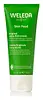
This calming moisturizer is formulated around Helianthus Annuus Seed Oil and Prunus Amygdalus Dulcis Oil to calm redness and hydrate skin.
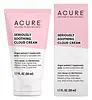
This calming moisturizer is formulated around Persea Gratissima Oil and Oenothera Biennis Oil to calm redness and hydrate skin.


What's inside
What's inside
 Key Ingredients
No key ingredients
Benefits
Concerns
Ingredients Side-by-side
Water
Skin ConditioningHelianthus Annuus Seed Oil
Emollient



Lanolin
Emollient


Prunus Amygdalus Dulcis Oil
Skin Conditioning
Cera Alba
Emollient
Alcohol
Antimicrobial

Polyglyceryl-3 Polyricinoleate
Emulsifying
Glycerin
Humectant

Limonene
Perfuming

Viola Tricolor Extract
EmollientHydrolyzed Beeswax
Emulsifying
Sorbitan Olivate
Emulsifying
Rosmarinus Officinalis Leaf Extract
AntimicrobialChamomilla Recutita Flower Extract
Masking

Calendula Officinalis Flower Extract
Masking
Arginine
Masking
Zinc Sulfate
Antimicrobial
Parfum
Masking
Linalool
Perfuming
Geraniol
Perfuming
Citral
Perfuming
Coumarin
Perfuming
Water, Helianthus Annuus Seed Oil, Lanolin, Prunus Amygdalus Dulcis Oil, Cera Alba, Alcohol, Polyglyceryl-3 Polyricinoleate, Glycerin, Limonene, Viola Tricolor Extract, Hydrolyzed Beeswax, Sorbitan Olivate, Rosmarinus Officinalis Leaf Extract, Chamomilla Recutita Flower Extract, Calendula Officinalis Flower Extract, Arginine, Zinc Sulfate, Parfum, Linalool, Geraniol, Citral, Coumarin
Water
Skin ConditioningPersea Gratissima Oil
Skin Conditioning
Prunus Armeniaca Kernel Oil
Masking
Glyceryl Stearate Citrate
Emollient
Glycerin
Humectant
Glyceryl Stearate
Emollient
Prunus Amygdalus Dulcis Oil
Skin Conditioning
Cetyl Alcohol
Emollient

Glyceryl Laurate
Emollient
Simmondsia Chinensis Seed Oil
Emollient
Glyceryl Undecylenate
Emollient
Oenothera Biennis Oil
Emollient
Carthamus Tinctorius Seed Oil
Masking
Potassium Sorbate
Preservative
Xanthan Gum
EmulsifyingOlea Europaea Fruit Oil
Masking
Sodium Levulinate
Skin ConditioningCitric Acid
Buffering

Helianthus Annuus Seed Oil
Emollient
Sodium Phytate
ChelatingTocopherol
Antioxidant



Hypericum Perforatum Oil
Emollient
Anthemis Nobilis Flower Water
Masking
Aspalathus Linearis Leaf Extract
Skin ConditioningCalendula Officinalis Flower Extract
Masking
Chamomilla Recutita Flower Extract
Masking
Euterpe Oleracea Fruit Extract
Punica Granatum Extract
AstringentRosa Canina Fruit Extract
Astringent
Rubus Fruticosus Fruit Extract
AstringentArgania Spinosa Kernel Oil
Emollient
Isomalt
HumectantAlcohol
Antimicrobial
Gardenia Jasminoides Meristem Cell Culture
Antioxidant
Echinacea Angustifolia Extract
MoisturisingMarrubium Vulgare Meristem Cell Culture
Skin ProtectingChlorella Vulgaris Extract
Skin ConditioningPhospholipids
Skin Conditioning
Leuconostoc/Radish Root Ferment Filtrate
Antimicrobial
Hyaluronic Acid
Humectant
Argania Spinosa Callus Culture Extract
Skin ConditioningLecithin
Emollient
Ubiquinone
Antioxidant
Sodium Benzoate
Masking
Water, Persea Gratissima Oil, Prunus Armeniaca Kernel Oil, Glyceryl Stearate Citrate, Glycerin, Glyceryl Stearate, Prunus Amygdalus Dulcis Oil, Cetyl Alcohol, Glyceryl Laurate, Simmondsia Chinensis Seed Oil, Glyceryl Undecylenate, Oenothera Biennis Oil, Carthamus Tinctorius Seed Oil, Potassium Sorbate, Xanthan Gum, Olea Europaea Fruit Oil, Sodium Levulinate, Citric Acid, Helianthus Annuus Seed Oil, Sodium Phytate, Tocopherol, Hypericum Perforatum Oil, Anthemis Nobilis Flower Water, Aspalathus Linearis Leaf Extract, Calendula Officinalis Flower Extract, Chamomilla Recutita Flower Extract, Euterpe Oleracea Fruit Extract, Punica Granatum Extract, Rosa Canina Fruit Extract, Rubus Fruticosus Fruit Extract, Argania Spinosa Kernel Oil, Isomalt, Alcohol, Gardenia Jasminoides Meristem Cell Culture, Echinacea Angustifolia Extract, Marrubium Vulgare Meristem Cell Culture, Chlorella Vulgaris Extract, Phospholipids, Leuconostoc/Radish Root Ferment Filtrate, Hyaluronic Acid, Argania Spinosa Callus Culture Extract, Lecithin, Ubiquinone, Sodium Benzoate
Reviews
Ingredients Explained
These ingredients are found in both products.
Ingredients higher up in an ingredient list are typically present in a larger amount.
This ingredient is also called ethanol or ethyl alcohol. It is denatured, meaning made undrinkable for cosmetic use.
In formulas, it:
Is it bad for your skin?
The answer comes down to concentration. Patch and wash studies have found highly concentrated alcohol-based hand rubs (60-100%) cause less barrier disruption than washing with a basic detergent like SLS. The only measurable effect in these studies was a temporary dip in skin hydration.
Concentrations below 12-15% in leave-on cosmetics is generally well-tolerated. Concentrations above start to see increased transepidermal water loss (TEWL) and reduced hydration.
In concentrations about 58%, it creates temporary channels in your skin's lipid layers to become more permeable and allow other ingredients to slip through easily.
This ingredient can be up to 80% of the formula in alcohol-based perfumes.
Overall, this ingredient is probably harmless if found lower down an ingredients list but worth side-eyeing if it's high up (especially if your barrier is already struggling).
Alcohol can worsen dry skin, eczema, and oily skin, especially at higher concentrations. This is because it can increase transepidermal water loss and decrease hydration to disrupt the skin barrier.
According to the National Rosacea Society based in the US, you should be mindful of products with these alcohols in the top half of ingredients.
True allergic contact dermatitis to ethanol is uncommon, but be sure to patch test if you have dry or sensitive skin.
Learn more about AlcoholCalendula Officinalis Flower Extract comes from the marigold flower and has been used on skin for centuries for its calming effect.
In the lab, its active compounds appear to calm inflammation and support the early "healing" phase of minor wounds.
This is why Europe's medicines regulator has approved calendula extracts as a traditional remedy for minor skin inflammation and healing small wounds.
The stronger human evidence is around would/ulcer care rather than everyday cosmetic claims; a review that pulled together 14 studies found that calendula helped calm the early, inflamed stage of a wound and helped new skin tissue form faster.
Two studies also showed it shrank leg ulcers (the kind caused by poor circulation). Results were mixed for burns and for the skin irritation people get from radiation treatment, so it's not a sure thing there.
In cosmetics, it's mostly a skin conditioning and soothing agent.
The Cosmetic Ingredient Review panel concluded that calendula-derived ingredients are safe as used and that the ingredients are not irritating, sensitizing, or photosensitizing in clinical tests (though they may be mild eye irritants).
Typical use levels are quite low; industry data reported it used at under 0.5% (one supplier noted a 10-25% extract blend used at 1-10% in the finished product). Historical use goes up to 10%.
The only thing to keep in mind is if you have daisy/ragweed allergies. Calendula is in the same family and one patch-test study found 2% of dermatitis patients reacted to marigold. Be sure to patch test if you have sensitive or allergy-prone skin.
Learn more about Calendula Officinalis Flower ExtractChamomilla Recutita Flower Extract comes from the Chamomile flower.
Chamomile is rich in antioxidants and has anti-inflammatory properties. Several compounds found in chamomile help with soothing, such as bisbolol.
Antioxidant components in chamomile make it an effective ingredient to help slow the signs of aging. Antioxidants help fight free-radical molecules, or molecules that may damage your skin.
Essential oils from chamomile have been found to improve wound healing due to its antimicrobial properties.
Ancient Greeks and Egyptians used Chamomile to treat skin redness and dryness. Chamomile has also been used to help treat stomach issues.
Learn more about Chamomilla Recutita Flower ExtractGlycerin (or glycerol) is a compound naturally found in your skin. It's a powerhouse humectant that pulls water into the stratum corneum.
Topically, glycerin does several things at once:
Your skin makes glycerin on its own (mostly from sebaceous oil breakdown) and shuttles it to your outermost layer of skin, or your epidermis, via aquaporin-3.
Aquaporin-3 is a transporter that is essential for normal skin hydration, elasticity, and repair. Interestingly, mice lacking in AQP3 have dry and less elastic skin that can be fully corrected with glycerin.
This ingredient is non-irritating, plays well with almost every ingredient, and works across all skin types. Typical use is anywhere between 3-10% but can go up to 79% in some leave-on products.
Just know very high concentrations (>40%) can feel tacky in low humidity.
Glycerin is the name for this ingredient in American English. British English uses Glycerol/Glycerine.
Learn more about GlycerinHelianthus Annuus Seed Oil is a plant oil derived from the seeds of a sunflower.
It is rich in fatty acids, primarily linoleic acid and oleic acid. This gives it emollient and skin conditioning properties.
The reason this ingredient is so effective is because it forms a thin film on the skin that reduces transepidermal water loss (TEWL) while supplying linoleic acid to the stratum corneum to improve barrier strength.
The high linoleic acid content is particularly noteworthy for acne-prone skin.
Research suggests that acne-prone skin tends to be deficient in linoleic acid in sebum. Topical application may help replenish this to support a healthier follicular environment and less comedone-promoting sebum.
One randomized study found sunflower seed oil preserved skin barrier integrity in adult volunteers with and without atopic dermatitis (outperforming olive oil).
This ingredient is well-studied, gentle, and an effective emollient suitable for most skin types.
On fungal acne: This ingredient may not be Fungal acne (Malassezia folliculitis) safe. This is because it contains fatty acids with carbon chain lengths in the C11-C24 range.
Learn more about Helianthus Annuus Seed OilThis ingredient is also known as sweet almond oil. It is a lightweight, cold-pressed oil from the ripe seeds of the sweet almond tree.
Sweet almond oil is rich in skin-nourishing fatty acids such as oleic acid (55-86%) and linolenic acid (7-35%).
As an emollient, it softens and hydrates skin by forming a thin barrier that locks in moisture.
Clinical studies have found it to be non-irritating and non-sensitizing. The CIR Expert Panel has evaluated the available safety data and concluded it is safe for topical use.
Because of the oleic acid content, this ingredient may not be fungal acne safe.
Learn more about Prunus Amygdalus Dulcis OilWater. It's the most common cosmetic ingredient of all. You'll usually see it at the top of ingredient lists, meaning that it makes up the largest part of the product.
So why is it so popular? Water most often acts as a solvent - this means that it helps dissolve other ingredients into the formulation.
You'll also recognize water as that liquid we all need to stay alive. If you see this, drink a glass of water. Remember to stay hydrated!
Learn more about Water

