

What's inside
What's inside
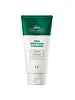 Key Ingredients
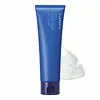
Benefits
Concerns
Ingredients Side-by-side
Water
Skin ConditioningStearic Acid
Cleansing

Cocamidopropyl Betaine
Cleansing

Lauric Acid
Cleansing
Myristic Acid
Cleansing
Potassium Hydroxide
BufferingGlycerin
Humectant



Potassium Cocoyl Glycinate
PEG-90
Humectant
Glyceryl Stearate
Emollient
PEG-100 Stearate
Madecassic Acid
Skin Conditioning

Madecassoside
Antioxidant

Asiaticoside
Antioxidant
Asiatic Acid
Skin ConditioningPropolis Extract
Skin Conditioning

Centella Asiatica Extract
Cleansing
Sodium Hyaluronate
Humectant
Lavandula Angustifolia Flower Extract
Cleansing

Monarda Didyma Leaf Extract
Skin ConditioningMentha Piperita Leaf Extract
Skin ConditioningFreesia Refracta Extract
Skin ConditioningChamomilla Recutita Flower Extract
Masking
Rosmarinus Officinalis Leaf Extract
AntimicrobialHydrolyzed Hyaluronic Acid
Humectant
Sodium Acetylated Hyaluronate
Humectant
Polyquaternium-7
Tocopheryl Acetate
Antioxidant
Disodium EDTA
1,2-Hexanediol
Skin Conditioning
PEG-14m
Emulsion StabilisingAcrylates/C10-30 Alkyl Acrylate Crosspolymer
Emulsion StabilisingSodium Polyacrylate
Absorbent
Parfum
Masking
Water, Stearic Acid, Cocamidopropyl Betaine, Lauric Acid, Myristic Acid, Potassium Hydroxide, Glycerin, Potassium Cocoyl Glycinate, PEG-90, Glyceryl Stearate, PEG-100 Stearate, Madecassic Acid, Madecassoside, Asiaticoside, Asiatic Acid, Propolis Extract, Centella Asiatica Extract, Sodium Hyaluronate, Lavandula Angustifolia Flower Extract, Monarda Didyma Leaf Extract, Mentha Piperita Leaf Extract, Freesia Refracta Extract, Chamomilla Recutita Flower Extract, Rosmarinus Officinalis Leaf Extract, Hydrolyzed Hyaluronic Acid, Sodium Acetylated Hyaluronate, Polyquaternium-7, Tocopheryl Acetate, Disodium EDTA, 1,2-Hexanediol, PEG-14m, Acrylates/C10-30 Alkyl Acrylate Crosspolymer, Sodium Polyacrylate, Parfum
Glycyrrhiza Glabra Root Water
Antioxidant
Glycerin
Humectant
Palmitic Acid
Emollient
Lauric Acid
Cleansing
Potassium Hydroxide
BufferingStearic Acid
Cleansing
Myristic Acid
Cleansing
Sodium Methyltaurate
Skin ConditioningMaltitol
HumectantLauramidopropyl Betaine
CleansingBifida Polysaccharide
HumectantLauryl Hydroxysultaine
CleansingBis-Ethoxydiglycol Cyclohexane 1,4-Dicarboxylate
EmollientShikalkin
Skin ConditioningHexyldecyl Hexyldecanoate
EmollientTocopherol
Antioxidant
Ceramide AP
Skin Conditioning
Inositol
Humectant
Phytic Acid




Glycosphingolipids
EmollientSecale Cereale Seed Extract
Abrasive
Aloe Barbadensis Leaf Extract
Emollient
Artemisia Vulgaris Extract
Skin Conditioning
Soluble Collagen
Humectant
Isostearic Acid
Cleansing
1,5-Pentanediol
SolventButylene Glycol
Humectant
Glyceryl Methacrylate
Acrylates/Stearyl Methacrylate Copolymer
Emulsion StabilisingDiallyldimethyl Ammonium Chloride
Horse Fatty Acyl Glutamic Acid
CleansingSodium Carbonate
BufferingPentasodium Aminotrimethylene Phosphonate
Glycyrrhiza Glabra Root Water, Glycerin, Palmitic Acid, Lauric Acid, Potassium Hydroxide, Stearic Acid, Myristic Acid, Sodium Methyltaurate, Maltitol, Lauramidopropyl Betaine, Bifida Polysaccharide, Lauryl Hydroxysultaine, Bis-Ethoxydiglycol Cyclohexane 1,4-Dicarboxylate, Shikalkin, Hexyldecyl Hexyldecanoate, Tocopherol, Ceramide AP, Inositol, Phytic Acid, Glycosphingolipids, Secale Cereale Seed Extract, Aloe Barbadensis Leaf Extract, Artemisia Vulgaris Extract, Soluble Collagen, Isostearic Acid, 1,5-Pentanediol, Butylene Glycol, Glyceryl Methacrylate, Acrylates/Stearyl Methacrylate Copolymer, Diallyldimethyl Ammonium Chloride, Horse Fatty Acyl Glutamic Acid, Sodium Carbonate, Pentasodium Aminotrimethylene Phosphonate
Reviews
Ingredients Explained
These ingredients are found in both products.
Ingredients higher up in an ingredient list are typically present in a larger amount.
Glycerin is already naturally found in your skin. It helps moisturize and protect your skin.
A study from 2016 found glycerin to be more effective as a humectant than AHAs and hyaluronic acid.
As a humectant, it helps the skin stay hydrated by pulling moisture to your skin. The low molecular weight of glycerin allows it to pull moisture into the deeper layers of your skin.
Hydrated skin improves your skin barrier; Your skin barrier helps protect against irritants and bacteria.
Glycerin has also been found to have antimicrobial and antiviral properties. Due to these properties, glycerin is often used in wound and burn treatments.
In cosmetics, glycerin is usually derived from plants such as soybean or palm. However, it can also be sourced from animals, such as tallow or animal fat.
This ingredient is organic, colorless, odorless, and non-toxic.
Glycerin is the name for this ingredient in American English. British English uses Glycerol/Glycerine.
Learn more about GlycerinLauric Acid is a fatty acid or lipid. About half of fatty acids in coconut oil is lauric acid.
This ingredient helps hydrate and sooth skin. As a humectant, it helps trap moisture. It also aids in cleaning and enhancing the texture of products.
Lauric acid may not be Malassezia folliculitis, or fungal acne, safe.
Learn more about Lauric AcidMyristic Acid is a saturated fatty acid. It is naturally found in milk fat. Other sources include palm oil, coconut oil, and butter fat.
Myristic Acid is an emulsifer and cleanser. As an emulsifer, it stabilizes a product by preventing ingredients from separating. Myristic Acid helps clean your skin by acting as a surfactant. It tends to gather oil and dirt on your skin to be easily rinsed away.
One study from 2021 found Myristic Acid to have anti-inflammatory properties.
Learn more about Myristic AcidPotassium hydroxide is commonly known as caustic potash. It is used to fix the pH of a product or as a cleaning agent in soap. In cleansers, it is used for the saponification of oils.
Sapnification is the process of creating fatty acid metal salts from triglycerides and a strong base. During this process, Potassium Hydroxide is used up and is not present in the final product.
Using high concentrations of Potassium Hydroxide have shown to irritate the skin.
Learn more about Potassium HydroxideStearic Acid is a fatty acid. It is an emollient, emulsifier, and texture enhancer.
As an emollient, stearic acid helps soften skin. It aids the skin's protective barrier by preventing water loss. It also provides a gentle cleansing effect without stripping away natural oils.
Stearic acid may also be used to enhance the texture of products. It can add volume and stabilize ingredients such as water and oil. This can help water and oil ingredients from separating.
Sources of stearic acid include animal or vegetable fats/oils such as coconut or shea. It can be naturally found in butter, cocoa butter, shea butter, vegetable fats, and animal tallow.
This ingredient may not be Malassezia folliculitis, or fungal-acne safe.
Learn more about Stearic Acid
