This smoothing toner is formulated around Glycolic Acid and Melaleuca Alternifolia Leaf Oil to refine skin texture and clear breakouts.
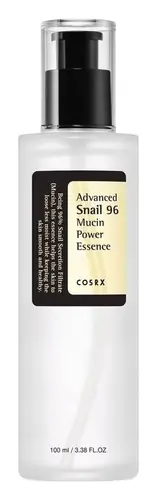
This barrier-repair toner is formulated around Snail Secretion Filtrate and Panthenol to strengthen the skin barrier and calm redness.

What's inside
What's inside
 Key Ingredients
Benefits
Concerns
No concerns
Ingredients Side-by-side
Water
Skin ConditioningGlycerin
Humectant


Sodium Lactate
Buffering
1,2-Hexanediol
Skin Conditioning
Rosa Damascena Flower Water
Masking

PEG-40 Hydrogenated Castor Oil
Emulsifying


Glycolic Acid
Buffering









Butylene Glycol
Humectant
Ethylhexylglycerin
Skin ConditioningMelaleuca Alternifolia Leaf Oil
Antioxidant



Eclipta Prostrata Extract
Skin Conditioning
Coccinia Indica Fruit Extract
Skin Conditioning
Disodium EDTA
Camellia Sinensis Leaf Extract
Antimicrobial
Glycyrrhiza Glabra Root Extract
Bleaching
Agrimonia Eupatoria Extract
AstringentPropanediol
Solvent
Perilla Frutescens Leaf Extract
MaskingLeontopodium Alpinum Callus Culture Extract
Antioxidant
Silybum Marianum Seed Extract
Skin ConditioningBenzyl Glycol
SolventHydrolyzed Glycosaminoglycans
HumectantSodium Hyaluronate
Humectant
Broussonetia Kazinoki Root Extract
Skin ConditioningPropolis Extract
Skin Conditioning
Hydrogenated Lecithin
Emulsifying
Cimicifuga Dahurica Root Extract
Antioxidant
Salix Alba Bark Extract
Astringent
Polyglyceryl-10 Stearate
Skin Conditioning
Panthenol
Skin Conditioning
Sodium Hyaluronate Crosspolymer
Humectant
Hydrolyzed Hyaluronic Acid
Humectant
Sodium Ascorbyl Phosphate
Antioxidant
Oenothera Biennis Flower Extract
AstringentHydroxypropyltrimonium Hyaluronate
Niacinamide
Smoothing
Folic Acid
Skin ConditioningHyaluronic Acid
Humectant
Biotin
AntiseborrhoeicPyridoxine
Skin ConditioningSodium Acetylated Hyaluronate
Humectant
Tocopherol
Antioxidant
Cyanocobalamin
Skin ConditioningLinoleic Acid
Cleansing
Thiamine Hcl
MaskingBeta-Carotene
Skin ConditioningRiboflavin
Cosmetic ColorantInositol
Humectant
Phenoxyethanol
Preservative
Water, Glycerin, Sodium Lactate, 1,2-Hexanediol, Rosa Damascena Flower Water, PEG-40 Hydrogenated Castor Oil, Glycolic Acid, Butylene Glycol, Ethylhexylglycerin, Melaleuca Alternifolia Leaf Oil, Eclipta Prostrata Extract, Coccinia Indica Fruit Extract, Disodium EDTA, Camellia Sinensis Leaf Extract, Glycyrrhiza Glabra Root Extract, Agrimonia Eupatoria Extract, Propanediol, Perilla Frutescens Leaf Extract, Leontopodium Alpinum Callus Culture Extract, Silybum Marianum Seed Extract, Benzyl Glycol, Hydrolyzed Glycosaminoglycans, Sodium Hyaluronate, Broussonetia Kazinoki Root Extract, Propolis Extract, Hydrogenated Lecithin, Cimicifuga Dahurica Root Extract, Salix Alba Bark Extract, Polyglyceryl-10 Stearate, Panthenol, Sodium Hyaluronate Crosspolymer, Hydrolyzed Hyaluronic Acid, Sodium Ascorbyl Phosphate, Oenothera Biennis Flower Extract, Hydroxypropyltrimonium Hyaluronate, Niacinamide, Folic Acid, Hyaluronic Acid, Biotin, Pyridoxine, Sodium Acetylated Hyaluronate, Tocopherol, Cyanocobalamin, Linoleic Acid, Thiamine Hcl, Beta-Carotene, Riboflavin, Inositol, Phenoxyethanol
Water
Skin ConditioningPropanediol
Solvent
Methyl Gluceth-20
Humectant
Glycerin
Humectant
Glycereth-26
Humectant
Snail Secretion Filtrate
Skin Conditioning
C12-14 Pareth-12
Emulsifying1,2-Hexanediol
Skin Conditioning
Trehalose
Humectant
Carbomer
Emulsion StabilisingTromethamine
BufferingPanthenol
Skin Conditioning
Ethylhexylglycerin
Skin ConditioningAdenosine
Skin Conditioning
Butylene Glycol
Humectant
Polyquaternium-51
Skin Conditioning
Cellulose Gum
Emulsion StabilisingCentella Asiatica Extract
Cleansing
Houttuynia Cordata Extract
Skin Conditioning
Salvia Hispanica Seed Extract
Emollient
Origanum Vulgare Leaf Extract
Skin ConditioningChamaecyparis Obtusa Leaf Extract
Skin ConditioningSalix Alba Bark Extract
Astringent
Lactobacillus/Soybean Ferment Extract
Skin ConditioningPortulaca Oleracea Extract
Skin Conditioning
Cinnamomum Cassia Bark
Skin ConditioningScutellaria Baicalensis Root Extract
Astringent
Phenoxyethanol
Preservative
Water, Propanediol, Methyl Gluceth-20, Glycerin, Glycereth-26, Snail Secretion Filtrate, C12-14 Pareth-12, 1,2-Hexanediol, Trehalose, Carbomer, Tromethamine, Panthenol, Ethylhexylglycerin, Adenosine, Butylene Glycol, Polyquaternium-51, Cellulose Gum, Centella Asiatica Extract, Houttuynia Cordata Extract, Salvia Hispanica Seed Extract, Origanum Vulgare Leaf Extract, Chamaecyparis Obtusa Leaf Extract, Salix Alba Bark Extract, Lactobacillus/Soybean Ferment Extract, Portulaca Oleracea Extract, Cinnamomum Cassia Bark, Scutellaria Baicalensis Root Extract, Phenoxyethanol
Ingredients Explained
These ingredients are found in both products.
Ingredients higher up in an ingredient list are typically present in a larger amount.
1,2-Hexanediol is a synthetic liquid and another multi-functional powerhouse.
It is a:
- Humectant, drawing moisture into the skin
- Emollient, helping to soften skin
- Solvent, dispersing and stabilizing formulas
- Preservative booster, enhancing the antimicrobial activity of other preservatives
Butylene Glycol (or BG) is used within cosmetic products for a few different reasons:
Overall, Butylene Glycol is a safe and well-rounded ingredient that works well with other ingredients.
Though this ingredient works well with most skin types, some people with sensitive skin may experience a reaction such as allergic rashes, closed comedones, or itchiness.
Learn more about Butylene GlycolEthylhexylglycerin is created from glycerin. It is a multitasker ingredient that:
The CIR Expert Panel found minimal skin absorption or sensitization of any kind in a safety assessment. Though this ingredient is considered well-tolerated, a small number of cases of allergic dermatitis have been published since 2002. Just be sure to patch test if you are unsure.
Industry-reported use ranges from 8% in rinse-off products and 2% in leave-on formulations.
Learn more about EthylhexylglycerinGlycerin (or glycerol) is a compound naturally found in your skin. It's a powerhouse humectant that pulls water into the stratum corneum.
Topically, glycerin does several things at once:
Your skin makes glycerin on its own (mostly from sebaceous oil breakdown) and shuttles it to your outermost layer of skin, or your epidermis, via aquaporin-3.
Aquaporin-3 is a transporter that is essential for normal skin hydration, elasticity, and repair. Interestingly, mice lacking in AQP3 have dry and less elastic skin that can be fully corrected with glycerin.
This ingredient is non-irritating, plays well with almost every ingredient, and works across all skin types. Typical use is anywhere between 3-10% but can go up to 79% in some leave-on products.
Just know very high concentrations (>40%) can feel tacky in low humidity.
Glycerin is the name for this ingredient in American English. British English uses Glycerol/Glycerine.
Learn more about GlycerinPanthenol is a common ingredient that helps hydrate and soothe the skin. It is found naturally in our skin and hair.
There are two forms of panthenol: D and L.
D-panthenol is also known as dexpanthenol. Most cosmetics use dexpanthenol or a mixture of D and L-panthenol.
Panthenol is famous due to its ability to go deeper into the skin's layers. Using this ingredient has numerous pros (and no cons):
Like hyaluronic acid, panthenol is a humectant. Humectants are able to bind and hold large amounts of water to keep skin hydrated.
This ingredient works well for wound healing. It works by increasing tissue in the wound and helps close open wounds.
Once oxidized, panthenol converts to pantothenic acid. Panthothenic acid is found in all living cells.
This ingredient is also referred to as pro-vitamin B5.
Learn more about PanthenolPhenoxyethanol is one of the most widely used preservatives in skincare (and for good reason!).
It has a large spectrum of antimicrobial activity and especially effective bacteria, yeast, and mold while only having a weak effect on your skin's natural microbiome.
On a cellular level, it disrupts the cell membranes of microbes by poking holes that make the cell leak. This shuts down the chemical reactions the microbe needs to make energy so it can no longer survive.
Another perk of this ingredient is that it stays functional across a wide pH range (3-10).
You'll often see it paired with boosters like Ethylhexylglycerin; one study showed that a 1:9 ratio of Ethylhexylglycerin to Phenoxyethanol damages bacterial membranes as effectively as doubling the Phenoxyethanol concentration on its own.
Typical use concentrations range from 0.3-1% depending on the formula, and this ingredient is capped at 1% int the EU.
Safety-wise, the fear mongering does not hold up to the evidence. The EU's Scientific Committee on Consumer Safety and FDA consider it safe as a preservative at up to 1%, including for children of all ages.
Adverse systemic effects only showed up in animal studies at exposures roughly 200x higher than what people get from cosmetics. And despite its very widespread use, this ingredient is a rare sensitizer and allergic reactions are uncommon.
Learn more about PhenoxyethanolPropanediol is an all-star ingredient. It softens, hydrates, and smooths the skin.
It’s often used to:
Propanediol is not likely to cause sensitivity and considered safe to use. It is derived from corn or petroleum with a clear color and no scent.
Learn more about PropanediolSalix Alba Bark Extract comes from the bark of the white willow tree. The official CosIng listing states this ingredient to have astringent, skin conditioning, soothing, and tonic properties.
Its star compound is salicin, a natural glucoside that is chemically related to salicylic acid. That's why you'll often see it marketed as a "natural BHA alternative" but that's a bit of a stretch.
Your skin can't convert salicin to salicylic acid because it needs specific enzymes that aren't present on the skin's surface. It won't behave like true salicylic acid, especially at the concentrations used in cosmetics.
However, this ingredient has its own perks. It contains flavonoids, polyphenols, and tannins that give it proven antioxidant and soothing properties.
An 8-week clinical study found a cream with 2% of this extract improved skin microcirculation, elasticity, and dark circles. This is most likely due to its role in increasing hyaluronic acid synthesis in fibroblasts and improved vascular integrity.
Another study found a topical serum with 0.5% salicin showed improvements in visible signs of aging, hyperpigmentation, and texture.
Just be careful if you have a known aspirin/salicylate allergy and be sure to consult with a medical professional about using this ingredient if you do.
Fun fact: Willow Bark extract has been used for thousands of years and ancient civilizations used white willow to help treat pain and fevers.
Learn more about Salix Alba Bark ExtractWater. It's the most common cosmetic ingredient of all. You'll usually see it at the top of ingredient lists, meaning that it makes up the largest part of the product.
So why is it so popular? Water most often acts as a solvent - this means that it helps dissolve other ingredients into the formulation.
You'll also recognize water as that liquid we all need to stay alive. If you see this, drink a glass of water. Remember to stay hydrated!
Learn more about Water