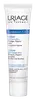
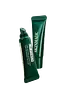
Uriage Bariéderm-Cica Creme Versus Skinmade Lip Power Light-Activated Maximum Boost Super Antioxidants
This brightening lip moisturizer is formulated around Tetrahexyldecyl Ascorbate and Glycyrrhiza Glabra Root Extract to brighten dull-looking skin and fade the look of dark spots.


What's inside
What's inside
 Key Ingredients
Benefits
Concerns
Ingredients Side-by-side
Water
Skin ConditioningParaffinum Liquidum
Emollient


Sodium Chloride
MaskingZinc Oxide
Cosmetic Colorant


Cetyl PEG/PPG-10/1 Dimethicone
Emulsifying
Propylheptyl Caprylate
EmollientButylene Glycol
Humectant

Hydrogenated Polydecene
EmollientPanthenol
Skin Conditioning


Glycerin
Humectant
Dimethicone
Emollient
Disteardimonium Hectorite
StabilisingPolyglyceryl-3 Diisostearate
Emulsifying



Magnesium Sulfate
Methylpropanediol
SolventTocopheryl Acetate
Antioxidant


Triacontanyl Pvp
HumectantCopper Gluconate
Skin Conditioning
Propanediol
Solvent
Propylene Carbonate
SolventCitric Acid
Buffering
Glutamylamidoethyl Indole
Skin ProtectingPolyquaternium-61
Skin ConditioningHyaluronic Acid
Humectant

Silanetriol
Borage Seed Oil Aminopropanediol Amides
Skin Conditioning
Water, Paraffinum Liquidum, Sodium Chloride, Zinc Oxide, Cetyl PEG/PPG-10/1 Dimethicone, Propylheptyl Caprylate, Butylene Glycol, Hydrogenated Polydecene, Panthenol, Glycerin, Dimethicone, Disteardimonium Hectorite, Polyglyceryl-3 Diisostearate, Magnesium Sulfate, Methylpropanediol, Tocopheryl Acetate, Triacontanyl Pvp, Copper Gluconate, Propanediol, Propylene Carbonate, Citric Acid, Glutamylamidoethyl Indole, Polyquaternium-61, Hyaluronic Acid, Silanetriol, Borage Seed Oil Aminopropanediol Amides
Polyisobutene
Hydrogenated Polydecene
EmollientDicaprylyl Carbonate
EmollientPetrolatum
Emollient
Microcrystalline Wax
Emulsion StabilisingZinc Oxide
Cosmetic Colorant
Tetrahexyldecyl Ascorbate
Antioxidant


Diethylamino Hydroxybenzoyl Hexyl Benzoate
UV Filter
Caprylic/Capric Triglyceride
Masking
Glycyrrhiza Glabra Root Extract
Bleaching
Bis-Ethylhexyloxyphenol Methoxyphenyl Triazine
UV Absorber
Ethylhexyl Triazone
UV Absorber
Hydrogenated Styrene/Isoprene Copolymer
Beeswax
Emulsion Stabilising
Tocopheryl Acetate
Antioxidant
Kojic Dipalmitate
Emollient
Macadamia Integrifolia Seed Oil
Skin Conditioning
Limnanthes Alba Seed Oil
Skin Conditioning
Simmondsia Chinensis Seed Oil
Emollient
Beta Vulgaris Root Extract
Skin ConditioningSqualane
Emollient
Butyrospermum Parkii Butter
Skin Conditioning
Oligopeptide-68
Bleaching
Opuntia Ficus-Indica Seed Oil
Emollient
Dunaliella Salina Extract
Skin ConditioningPunica Granatum Seed Extract
Skin ConditioningDiacetyl Boldine
Skin Conditioning
Avena Sativa Kernel Oil
Skin Conditioning
Glycine Soja Oil
Emollient
Helianthus Annuus Seed Oil
Emollient
Daucus Carota Sativa Seed Oil
Emollient
Ganoderma Lucidum Extract
Skin Protecting
Dipalmitoyl Hydroxyproline
Skin Conditioning
Resveratrol
Antioxidant
Silybum Marianum Fruit Extract
Skin Conditioning
Palmitoyl Sh-Octapeptide-24 Amide
Skin Conditioning
Palmitoyl Tripeptide-5
Skin Conditioning
Palmitoyl Sh-Tripeptide-5 Norisoleucyl Sh-Nonapeptide-1
Skin Conditioning
Triethoxycaprylylsilane
Tridecyl Trimellitate
EmollientLactic Acid/Glycolic Acid Copolymer
Skin ConditioningGlyceryl Citrate/Lactate/Linoleate/Oleate
Emulsifying
Ectoin
Skin Conditioning
Ubiquinone
Antioxidant
Pentaerythrityl Tetra-Di-T-Butyl Hydroxyhydrocinnamate
Antioxidant
Tocopherol
Antioxidant
Maltodextrin
Absorbent
Cyanocobalamin
Skin ConditioningBeta-Carotene
Skin ConditioningPolyisobutene, Hydrogenated Polydecene, Dicaprylyl Carbonate, Petrolatum, Microcrystalline Wax, Zinc Oxide, Tetrahexyldecyl Ascorbate, Diethylamino Hydroxybenzoyl Hexyl Benzoate, Caprylic/Capric Triglyceride, Glycyrrhiza Glabra Root Extract, Bis-Ethylhexyloxyphenol Methoxyphenyl Triazine, Ethylhexyl Triazone, Hydrogenated Styrene/Isoprene Copolymer, Beeswax, Tocopheryl Acetate, Kojic Dipalmitate, Macadamia Integrifolia Seed Oil, Limnanthes Alba Seed Oil, Simmondsia Chinensis Seed Oil, Beta Vulgaris Root Extract, Squalane, Butyrospermum Parkii Butter, Oligopeptide-68, Opuntia Ficus-Indica Seed Oil, Dunaliella Salina Extract, Punica Granatum Seed Extract, Diacetyl Boldine, Avena Sativa Kernel Oil, Glycine Soja Oil, Helianthus Annuus Seed Oil, Daucus Carota Sativa Seed Oil, Ganoderma Lucidum Extract, Dipalmitoyl Hydroxyproline, Resveratrol, Silybum Marianum Fruit Extract, Palmitoyl Sh-Octapeptide-24 Amide, Palmitoyl Tripeptide-5, Palmitoyl Sh-Tripeptide-5 Norisoleucyl Sh-Nonapeptide-1, Triethoxycaprylylsilane, Tridecyl Trimellitate, Lactic Acid/Glycolic Acid Copolymer, Glyceryl Citrate/Lactate/Linoleate/Oleate, Ectoin, Ubiquinone, Pentaerythrityl Tetra-Di-T-Butyl Hydroxyhydrocinnamate, Tocopherol, Maltodextrin, Cyanocobalamin, Beta-Carotene
Reviews
Ingredients Explained
These ingredients are found in both products.
Ingredients higher up in an ingredient list are typically present in a larger amount.
Hydrogenated Polydecene is a synthetic emollient. It forms a non-occlusive film on the skin's surface to provide a silky feel without being greasy.
In vivo studies in volunteers with atopic and dry skin showed no irritation or intolerance. The volunteers also saw a positive effect in dryness, scaling, and roughness after 28 days of use.
Concentrations up to 100% in guinea pig tests found it to be non-sensitizing and completely safe for use in cosmetics.
Learn more about Hydrogenated PolydeceneTocopheryl Acetate is a stable, shelf-friendly form of vitamin E.
Formulators love it because plain vitamin E oxidizes quickly once it hits air. This acetate version stays stable and resists going off, helping to extend a product's shelf life.
It's actually inactive on its own and works like a slow-release "storage" form; the enzymes in your skin called esterases gradually convert it into active vitamin E over time.
One in vivo study showed 5% of the acetate in the living layer of the epidermis converted to vitamin E after 5 days of application. This study also found the skin gained protection against UV damage even though the conversion was slow and small.
Once converted, vitamin E acts as a skin's main fat-soluble antioxidant that fights free radicals to protect skin from damage.
Topical vitamin E generally boosts the skin's photoprotection, and it reduced UV-damage in animal models.
This ingredient has some brightening potential but it's more of a prevention ingredient than spot-fader. Cell studies show it can slow down melanin production but it's worth noting that it's not the most powerful brightener out there.
Overall, it has a pretty solid safety profile and has been found to be non-irritating and non-comedogenic. Allergic reactions may happen but stay rare due to how widely the ingredient gets used.
The concentration will vary depending on the formula; industry data shows 0.1% in baby lotions, 3% in lipsticks, and 5% in foot powders. You can also find this ingredient at 100% in a pure vitamin E oil.
Most leave-on skincare keeps it at the lower end, often between 0.5-1%.
Learn more about Tocopheryl AcetateZinc Oxide (ZO) is a mineral broad-spectrum UV filter and the broadest-spectrum filter recognized by the FDA. It covers everything from UVB through to long-wave UVA.
On top of sun protection, it has skin protectant and skin-soothing properties too.
Here's a myth worth busting: mineral filters are usually described as working by "reflecting" or "bouncing" UV off your skin.
That's mostly not true: when researchers actually measured it, ZO and Titanium Dioxide reflect only about 4-5% of UV (less than SPF 2 worth of protection).
The vast majority of the work (~95%) is done by absorption, similar to chemical UV filters. ZO is a semiconductor that absorbs UV photos through its energy band gap.
So the old "physical blocker vs. chemical absorber" framing is really an oversimplification.
Zinc Oxide is one of the most effective broad-spectrum UV filters out there. It protects across UVB, UVA2, and UVA1 with a flat, even absorption curve across the whole UVA-UVB range.
That uniform UVA coverage is its standout feature; titanium dioxide skews more toward UVB as its particle size drops so ZO gives more consistent and extended UVA protection.
It's also very photostable. As an inorganic oxide, ZO doesn't break down in sunlight the way some organic filters can, so it holds up over a day of wear.
This ingredient is gentle and soothing, making it go-to for sunscreens aimed at sensitive skin, rosacea, or ecezma-prone skin, babies, and children.
It's also unlikely to cause the "eye sting" that some sunscreen ingredients are known for, and regulatory agencies broadly consider it non-toxic and safe for topical use.
Beyond sun protection, ZO is also a recognized OTC skin protectant. It forms a breathable barrier that shields skin from moisture and irritation while supporting healing. This is why you'll see it as a classic active in diaper rash creams.
The only downside to ZO is that it can leave a visible white cast, especially on deeper skin tones. This is the main reason mineral sunscreens have historically felt less cosmetically elegant than chemical or hybrid formulas.
Zinc Oxide comes in both non-nano and nano forms. The dividing line is 100nm and anything under is classified as a nanomaterial by the EU.
The nano version scatters less visible light which cuts down white case and gives a lighter, more wearable texture.
Another thing worth understanding about formulation:
Uncoated ZO has some inherent photocatalytic activity. This just means it can generate reactive oxygen species under UV. It's exactly why cosmetic-grade ZO is almost always surface-coated; this coating suppresses that reactivity and improves how the powder disperses and feels.
A well-formulated coated ZO largely sidesteps this issue.
Zinc Oxide is commonly used anywhere from 10% up to the regulatory maximum in sunscreens (25%).
Mineral-only broad-spectrum products often land in the 15-25% range to hit higher SPF and UVA values. Keep in mind SPF performance depends heavily on particle size, dispersion, and the rest of the formula, and not just the percentage.
As an OTC skin protectant like diaper creams, ZO typically runs higher at roughly 10-40%.
This ingredient is generally easy to work with and doesn't photodegrade.
The only thing to know is that uncoated ZO can be a bit reactive in a formula.
Under UV, it can break down sensitive ingredients like other actives or UV filters. This is another reason coated versions are standard. ZO can also react with very acidic ingredients or throw off stability of some creams. A good formula will get around this with the right coatings and dispersion.
The EU's Scientific Committee on Consumer Safety has concluded that ZO nanoparticles "can be considered to not pose any risk of adverse effects in humans after application on healthy, intact or sunburnt skin".
You might hear that ZO is "toxic"; this is because an in-vitro (test tube) study suggested micronized ZO had potential phototoxicity. In vivo (human) investigations have disputed this and the results have come back reassuring.
So does ZO penetrate skin? The short answer is no, not in any way that matters.
The most relevant evidence comes from real-world human studies: in one, volunteers applied ZO nanoparticle sunscreen hourly for six hours and daily for five days. The advanced imaging showed the particles stayed on the surface and never reached the living epidermis, and no cellular toxicity was found.
Other in-vivo and ex-vivo work agree; ZO nanoparticles don't cross the stratum corneum, even on flexed, massaged, or barrier-impaired skin.
A small amount of solubilized zinc ions can dissolve off the particles and enter the upper skin. But the quantities are tiny compared to the zinc already naturally present in your body, and studies haven't found this to cause local toxicity.
The sunscreen bans you've heard of (like Hawaii's) are aimed at two chemical filters, Oxybenzone and Octinoxate. ZO itself it not banned and is often recommended instead.
So far, there's no solid evidence that any form of ZO harms reefs. It is an ongoing and active area of study, and worth keeping an eye on.
If you're traveling somewhere with these rules, a non-nano mineral sunscreen is the safe bet.
Learn more about Zinc Oxide

