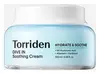
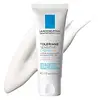
Torriden Dive In Soothing Cream Versus La Roche-Posay Toleriane Sensitive UV Face Cream SPF 30 Face Moisturizer


What's inside
What's inside
 Key Ingredients
Benefits
Concerns
Ingredients Side-by-side
Water
Skin ConditioningButylene Glycol
Humectant

Glycerin
Humectant
1,2-Hexanediol
Skin Conditioning
Hydrogenated Didecene
Skin ConditioningCaprylic/Capric Triglyceride
Masking
Panthenol
Skin Conditioning

Sodium Hyaluronate
Humectant

Sodium Hyaluronate Crosspolymer
Humectant
Hydrolyzed Sodium Hyaluronate
Skin Conditioning
Sodium Acetylated Hyaluronate
Humectant
Hydrolyzed Hyaluronic Acid
Humectant
Allantoin
Skin Conditioning
Ectoin
Skin Conditioning
Glycyrrhiza Glabra Root Extract
Bleaching

Trehalose
Humectant
Hamamelis Virginiana Extract
Antiseborrhoeic


Glyceryl Acrylate/Acrylic Acid Copolymer
HumectantPvm/Ma Copolymer
Emulsion StabilisingHydroxyethyl Acrylate/Sodium Acryloyldimethyl Taurate Copolymer
Emulsion Stabilising2,3-Butanediol
HumectantCetearyl Alcohol
Emollient



C14-22 Alcohols
Emulsion Stabilising
C12-20 Alkyl Glucoside
EmulsifyingPentylene Glycol
Skin Conditioning
Sorbitan Isostearate
Emulsifying
Caprylyl Methicone
Skin Conditioning
Salvia Sclarea Extract
AntiseborrhoeicLavandula Angustifolia Flower Extract
Cleansing

Hyacinthus Orientalis Extract
Skin ConditioningChamomilla Recutita Extract
Skin Conditioning
Centaurea Cyanus Flower Extract
Astringent
Borago Officinalis Extract
Emollient
Disodium EDTA
Carbomer
Emulsion StabilisingTromethamine
BufferingXanthan Gum
EmulsifyingGlutathione
Malachite Extract
Antioxidant
Gluconic Acid


Ethylhexylglycerin
Skin ConditioningWater, Butylene Glycol, Glycerin, 1,2-Hexanediol, Hydrogenated Didecene, Caprylic/Capric Triglyceride, Panthenol, Sodium Hyaluronate, Sodium Hyaluronate Crosspolymer, Hydrolyzed Sodium Hyaluronate, Sodium Acetylated Hyaluronate, Hydrolyzed Hyaluronic Acid, Allantoin, Ectoin, Glycyrrhiza Glabra Root Extract, Trehalose, Hamamelis Virginiana Extract, Glyceryl Acrylate/Acrylic Acid Copolymer, Pvm/Ma Copolymer, Hydroxyethyl Acrylate/Sodium Acryloyldimethyl Taurate Copolymer, 2,3-Butanediol, Cetearyl Alcohol, C14-22 Alcohols, C12-20 Alkyl Glucoside, Pentylene Glycol, Sorbitan Isostearate, Caprylyl Methicone, Salvia Sclarea Extract, Lavandula Angustifolia Flower Extract, Hyacinthus Orientalis Extract, Chamomilla Recutita Extract, Centaurea Cyanus Flower Extract, Borago Officinalis Extract, Disodium EDTA, Carbomer, Tromethamine, Xanthan Gum, Glutathione, Malachite Extract, Gluconic Acid, Ethylhexylglycerin
Octocrylene 7%
UV Absorber

Homosalate 5%
Skin Conditioning
Ethylhexyl Salicylate 5%
UV Absorber
Butyl Methoxydibenzoylmethane 3%
UV Absorber
Water
Skin ConditioningGlycerin
Humectant
Silica
Abrasive

Dimethicone
Emollient
Niacinamide
Smoothing

PEG-100 Stearate
Surfactant
Glyceryl Stearate
Emollient
Ammonium Polyacryloyldimethyl Taurate
Emulsion StabilisingStearic Acid
Cleansing
Sodium Hydroxide
BufferingCapryloyl Glycine
CleansingCaprylyl Glycol
Emollient
Citric Acid
Buffering
Cetyl Alcohol
Emollient
Palmitic Acid
Emollient
Xanthan Gum
EmulsifyingDimethicone/Vinyl Dimethicone Crosspolymer
Skin Conditioning
Disodium EDTA
Allantoin
Skin Conditioning
Tocopherol
Antioxidant
Ceramide NP
Skin Conditioning
Myristic Acid
Cleansing
Octocrylene 7%, Homosalate 5%, Ethylhexyl Salicylate 5%, Butyl Methoxydibenzoylmethane 3%, Water, Glycerin, Silica, Dimethicone, Niacinamide, PEG-100 Stearate, Glyceryl Stearate, Ammonium Polyacryloyldimethyl Taurate, Stearic Acid, Sodium Hydroxide, Capryloyl Glycine, Caprylyl Glycol, Citric Acid, Cetyl Alcohol, Palmitic Acid, Xanthan Gum, Dimethicone/Vinyl Dimethicone Crosspolymer, Disodium EDTA, Allantoin, Tocopherol, Ceramide NP, Myristic Acid
Reviews
Ingredients Explained
These ingredients are found in both products.
Ingredients higher up in an ingredient list are typically present in a larger amount.
Allantoin is a soothing ingredient known for its protective and moisturizing properties; it's basically a quiet workhorse ingredient you can find in a huge range of cosmetics.
Though it can be derived from the comfrey plant, allantoin is produced synthetically for cosmetic products to ensure purity.
Research shows it can encourage your skin cells to turn over and renew by stimulating keratinocyte and fibroblast proliferation.
It also has mild keratolytic properties to help loosen and shed dead skin cells without being harsh.
Studies also suggest allantoin can help calm inflammation by dialing down some of the chemical signals your skin sends out when it is irritated.
This ingredient is typically used in the 0.1-0.5% range, and the FDA recognizes it as a skin protectant in OTC products up to 2%.
Overall, allantoin is a wonderful addition to most routines; it is stable across a wide pH range (~4-8), works well with other ingredients, and is considered non-sensitizing/non-irritating.
Fun fact: Allantoin is naturally occurring in comfrey root, beets, chamomile, and wheat sprouts. Our bodies even produce it as a byproduct of uric acid metabolism.
Learn more about AllantoinDisodium EDTA is a chelating agent. It grabs onto and deactivates metal ions that sneak into your products from water, packaging, or air.
This ingredient mainly works behind the scenes and helps with:
On top of that, this ingredient can counteract the effects of hard water by binding to the minerals in it.
One thing worth knowing is that Disodium EDTA has been shown to be a mild penetration enhancer. It can help other ingredients absorb into skin more effectively which can be a double-edged sword (great for actives, but can also make the active too strong if you have sensitive skin).
Clinical patch testing showed no significant skin irritation at typical use concentrations and minimal dermal absorption.
You'll most likely see this ingredient near the end of an ingredient list. It's typically found in concentrations less than 1%.
Learn more about Disodium EDTAGlycerin (or glycerol) is a compound naturally found in your skin. It's a powerhouse humectant that pulls water into the stratum corneum.
Topically, glycerin does several things at once:
Your skin makes glycerin on its own (mostly from sebaceous oil breakdown) and shuttles it to your outermost layer of skin, or your epidermis, via aquaporin-3.
Aquaporin-3 is a transporter that is essential for normal skin hydration, elasticity, and repair. Interestingly, mice lacking in AQP3 have dry and less elastic skin that can be fully corrected with glycerin.
This ingredient is non-irritating, plays well with almost every ingredient, and works across all skin types. Typical use is anywhere between 3-10% but can go up to 79% in some leave-on products.
Just know very high concentrations (>40%) can feel tacky in low humidity.
Glycerin is the name for this ingredient in American English. British English uses Glycerol/Glycerine.
Learn more about GlycerinWater. It's the most common cosmetic ingredient of all. You'll usually see it at the top of ingredient lists, meaning that it makes up the largest part of the product.
So why is it so popular? Water most often acts as a solvent - this means that it helps dissolve other ingredients into the formulation.
You'll also recognize water as that liquid we all need to stay alive. If you see this, drink a glass of water. Remember to stay hydrated!
Learn more about WaterXanthan gum is used as a stabilizer and thickener within cosmetic products. It helps give products a sticky, thick feeling - preventing them from being too runny.
On the technical side of things, xanthan gum is a polysaccharide - a combination consisting of multiple sugar molecules bonded together.
Xanthan gum is a pretty common and great ingredient. It is a natural, non-toxic, non-irritating ingredient that is also commonly used in food products.
Learn more about Xanthan Gum

