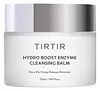
This oil-based makeup remover is made to dissolve makeup, sunscreen, and daily buildup.
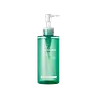
This mild cream makeup remover is made to dissolve makeup, sunscreen, and daily buildup.

What's inside
What's inside
 Key Ingredients
Benefits
Concerns
Ingredients Side-by-side
Ethylhexyl Palmitate
Emollient




PEG-20 Glyceryl Triisostearate
Emollient
Cetyl Ethylhexanoate
EmollientPEG-10 Isostearate
Emulsifying
Synthetic Wax
Abrasive
Oryza Sativa Bran Oil
Emollient



Caprylyl Glycol
Emollient
Tocopheryl Acetate
Antioxidant


Camellia Sinensis Seed Oil
Humectant
Camellia Japonica Seed Oil
Emollient
Squalane
Emollient

Simmondsia Chinensis Seed Oil
Emollient
Ethylhexylglycerin
Skin ConditioningWater
Skin ConditioningNiacinamide
Smoothing





Allantoin
Skin Conditioning
Panthenol
Skin Conditioning
Camellia Sinensis Leaf Extract
Antimicrobial
Butylene Glycol
Humectant
Tocopherol
Antioxidant
1,2-Hexanediol
Skin Conditioning
Hamamelis Virginiana Extract
Antiseborrhoeic

Bifida Ferment Filtrate
Skin Conditioning
Bifida Ferment Lysate
Skin Conditioning
Saccharomyces Ferment Filtrate
Humectant
Lactobacillus Ferment Lysate
Skin Conditioning
Lactococcus Ferment Lysate
Skin Conditioning
Glycyrrhiza Glabra Root Extract
Bleaching
Centella Asiatica Extract
Cleansing
Oryza Sativa Extract
Absorbent
Lavandula Angustifolia Extract
Skin Conditioning
Rosmarinus Officinalis Extract
AntimicrobialMonarda Didyma Leaf Extract
Skin ConditioningAnthemis Nobilis Flower Extract
Masking
Jasminum Officinale Extract
Masking
Protease
Exfoliating
Ethylhexyl Palmitate, PEG-20 Glyceryl Triisostearate, Cetyl Ethylhexanoate, PEG-10 Isostearate, Synthetic Wax, Oryza Sativa Bran Oil, Caprylyl Glycol, Tocopheryl Acetate, Camellia Sinensis Seed Oil, Camellia Japonica Seed Oil, Squalane, Simmondsia Chinensis Seed Oil, Ethylhexylglycerin, Water, Niacinamide, Allantoin, Panthenol, Camellia Sinensis Leaf Extract, Butylene Glycol, Tocopherol, 1,2-Hexanediol, Hamamelis Virginiana Extract, Bifida Ferment Filtrate, Bifida Ferment Lysate, Saccharomyces Ferment Filtrate, Lactobacillus Ferment Lysate, Lactococcus Ferment Lysate, Glycyrrhiza Glabra Root Extract, Centella Asiatica Extract, Oryza Sativa Extract, Lavandula Angustifolia Extract, Rosmarinus Officinalis Extract, Monarda Didyma Leaf Extract, Anthemis Nobilis Flower Extract, Jasminum Officinale Extract, Protease
Water
Skin ConditioningDipropylene Glycol
HumectantSorbeth-30 Tetraoleate
Emulsifying
Isopropyl Palmitate
Emollient
Ethylhexyl Pelargonate
EmollientGlycerin
Humectant
C12-14 Pareth-12
EmulsifyingPentylene Glycol
Skin Conditioning
Pollen Extract
EmollientRosa Canina Fruit Oil
Emollient
Simmondsia Chinensis Seed Oil
Emollient
Polyglyceryl-10 Laurate
Skin Conditioning
Citric Acid
Buffering
Dipotassium Glycyrrhizate
Humectant
Sodium Citrate
BufferingAllantoin
Skin Conditioning
Disodium EDTA
Olea Europaea Oil Unsaponifiables
Skin Conditioning
Triticum Vulgare Germ Oil Unsaponifiables
Emollient
Glycine Soja Oil Unsaponifiables
Emollient
Butylene Glycol
Humectant
Lactobacillus
Skin ConditioningLeuconostoc/Radish Root Ferment Filtrate
Antimicrobial
Streptococcus Thermophilus Ferment
Humectant
Bifida Ferment Lysate
Skin Conditioning
Fructooligosaccharides
Humectant
Parfum
Masking
Hydroxyacetophenone
Antioxidant
Ethylhexylglycerin
Skin ConditioningWater, Dipropylene Glycol, Sorbeth-30 Tetraoleate, Isopropyl Palmitate, Ethylhexyl Pelargonate, Glycerin, C12-14 Pareth-12, Pentylene Glycol, Pollen Extract, Rosa Canina Fruit Oil, Simmondsia Chinensis Seed Oil, Polyglyceryl-10 Laurate, Citric Acid, Dipotassium Glycyrrhizate, Sodium Citrate, Allantoin, Disodium EDTA, Olea Europaea Oil Unsaponifiables, Triticum Vulgare Germ Oil Unsaponifiables, Glycine Soja Oil Unsaponifiables, Butylene Glycol, Lactobacillus, Leuconostoc/Radish Root Ferment Filtrate, Streptococcus Thermophilus Ferment, Bifida Ferment Lysate, Fructooligosaccharides, Parfum, Hydroxyacetophenone, Ethylhexylglycerin
Reviews
Ingredients Explained
These ingredients are found in both products.
Ingredients higher up in an ingredient list are typically present in a larger amount.
Allantoin is a soothing ingredient known for its protective and moisturizing properties; it's basically a quiet workhorse ingredient you can find in a huge range of cosmetics.
Though it can be derived from the comfrey plant, allantoin is produced synthetically for cosmetic products to ensure purity.
Research shows it can encourage your skin cells to turn over and renew by stimulating keratinocyte and fibroblast proliferation.
It also has mild keratolytic properties to help loosen and shed dead skin cells without being harsh.
Studies also suggest allantoin can help calm inflammation by dialing down some of the chemical signals your skin sends out when it is irritated.
This ingredient is typically used in the 0.1-0.5% range, and the FDA recognizes it as a skin protectant in OTC products up to 2%.
Overall, allantoin is a wonderful addition to most routines; it is stable across a wide pH range (~4-8), works well with other ingredients, and is considered non-sensitizing/non-irritating.
Fun fact: Allantoin is naturally occurring in comfrey root, beets, chamomile, and wheat sprouts. Our bodies even produce it as a byproduct of uric acid metabolism.
Learn more about AllantoinBifida Ferment Lysate is a postbiotic ingredient made by fermenting Bifidobacterium to extract a nutrient-rich mix of peptides, amino acids, vitamins, organic acids, and polysaccharides.
These components are basically the building blocks that your skin already uses to stay hydrated, repair itself, and maintain its barrier. That's why this ingredient helps your skin hold onto moisture and stay resilient against irritation.
One in-vitro study found that this ingredient tells your skin cells to produce more of the proteins (filaggrin, loricrin, and involucrin) for building a strong and healthy barrier. This study also found this ingredient to be a solid antioxidant that helped neutralize damage against UV and pollution.
A study with people from 2010 found that sensitive, reactive skin using a cream with 10% of this ingredient for a month became noticeably less dry, less reactive, and harder to irritate compared to the group using a plain cream.
In short, this ingredient is a well-tolerated ingredient that can help with barrier repair, antioxidant protection, and calming reactive skin.
This ingredient is generally considered fungal acne (Malassezia) safe; Bifidobacterium is a bacterium, not a yeast or fungus.
The fungal acne concern with fermented ingredients mainly applies to yeast-derived ferments like Saccharomyces and Galactomyces, because those are in the same kingdom as Malassezia and could theoretically contain residual compounds that feed it.
Bifida is a completely different organism, so on its own it doesn't provide a food source for the Malassezia yeast that causes fungal acne.
Learn more about Bifida Ferment LysateButylene Glycol (or BG) is used within cosmetic products for a few different reasons:
Overall, Butylene Glycol is a safe and well-rounded ingredient that works well with other ingredients.
Though this ingredient works well with most skin types, some people with sensitive skin may experience a reaction such as allergic rashes, closed comedones, or itchiness.
Learn more about Butylene GlycolEthylhexylglycerin is created from glycerin. It is a multitasker ingredient that:
The CIR Expert Panel found minimal skin absorption or sensitization of any kind in a safety assessment. Though this ingredient is considered well-tolerated, a small number of cases of allergic dermatitis have been published since 2002. Just be sure to patch test if you are unsure.
Industry-reported use ranges from 8% in rinse-off products and 2% in leave-on formulations.
Learn more about EthylhexylglycerinJojoba oil is one of the most well-studied plant-derived ingredients in cosmetics. It is an emollient with a special structure.
Because it is made up of 97-98% wax esters, it closely mirrors the linear monoesters found in human sebum. This makes it skin compatible, non-greasy, and lightweight.
Unlike other plant oils, jojoba wax doesn't easily penetrate skin. It mostly works in the uppermost layers as an emollient. This just means it forms a light barrier on the skin to help retain moisture.
Formulations with jojoba esters up to 90% reduced transepidermal water loss (TEWL) and increased barrier recovery by 81% (outperforming bisabolol at 47%).
Besides barrier support, the science also suggests jojoba to have anti-inflammatory effects and potential applications for skin infections, aging, and wound healing.
Fun fact: Indigenous cultures have used jojoba as a moisturizer and to help treat burns for centuries.
Fungal acne: The Malassezia yeast is known to metabolize fatty acids in the C11-24 range and jojoba's dominant fatty acid components fall into this range. This ingredient may not be fungal acne safe.
Learn more about Simmondsia Chinensis Seed OilWater. It's the most common cosmetic ingredient of all. You'll usually see it at the top of ingredient lists, meaning that it makes up the largest part of the product.
So why is it so popular? Water most often acts as a solvent - this means that it helps dissolve other ingredients into the formulation.
You'll also recognize water as that liquid we all need to stay alive. If you see this, drink a glass of water. Remember to stay hydrated!
Learn more about Water

