

What's inside
What's inside
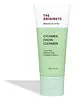 Key Ingredients
Benefits
Concerns
Ingredients Side-by-side
Water
Skin ConditioningCocamidopropyl Betaine
Cleansing


PEG-90 Glyceryl Isostearate
Cleansing
Sodium Laureth Sulfate
Cleansing

Glycerin
Humectant


Sodium Chloride
MaskingSodium Methyl Cocoyl Taurate
Cleansing
Phenoxyethanol
Preservative
Laureth-2
CleansingMethylparaben
Preservative

Niacinamide
Smoothing









Butylene Glycol
Humectant
Ethylhexylglycerin
Skin ConditioningPropylene Glycol
Humectant
Centella Asiatica Extract
Cleansing
Caprylic/Capric Triglyceride
Masking
Hydrogenated Lecithin
Emulsifying
Hexylene Glycol
EmulsifyingStearic Acid
Cleansing
Cholesterol
Emollient
Ceramide NP
Skin Conditioning
Water, Cocamidopropyl Betaine, PEG-90 Glyceryl Isostearate, Sodium Laureth Sulfate, Glycerin, Sodium Chloride, Sodium Methyl Cocoyl Taurate, Phenoxyethanol, Laureth-2, Methylparaben, Niacinamide, Butylene Glycol, Ethylhexylglycerin, Propylene Glycol, Centella Asiatica Extract, Caprylic/Capric Triglyceride, Hydrogenated Lecithin, Hexylene Glycol, Stearic Acid, Cholesterol, Ceramide NP
Water
Skin ConditioningSodium Laureth Sulfate
Cleansing
Cocamidopropyl Betaine
Cleansing
Sodium Lauryl Sulfate
Cleansing
Potassium Palmate
SurfactantSodium Chloride
MaskingGlycol Distearate
Emollient
Decyl Glucoside
Cleansing
Phenoxyethanol
Preservative
Sodium Benzoate
Masking
Potassium Laureth Phosphate
EmulsifyingDistearyl Phthalic Acid Amide
EmollientCocamide Mea
Emulsifying
Acrylates Copolymer
PEG-120 Methyl Glucose Dioleate
Emulsifying
PEG-40 Hydrogenated Castor Oil
Emulsifying
Glycerin
Humectant
Citric Acid
Buffering
Disodium EDTA
Melaleuca Alternifolia Leaf Oil
Antioxidant


Butylene Glycol
Humectant
Centella Asiatica Extract
Cleansing
Salicylic Acid
Masking
Hyaluronic Acid
Humectant
Pentylene Glycol
Skin Conditioning
Moringa Oleifera Seed Extract
Skin Conditioning
Serine
Masking
Histidine
Humectant
Threonine
Aspartic Acid
Masking
Sodium Acetylated Hyaluronate
Humectant
Sodium Hyaluronate
Humectant
1,2-Hexanediol
Skin Conditioning
Sodium Hyaluronate Crosspolymer
Humectant
Hydroxyacetophenone
Antioxidant
Hydrolyzed Sodium Hyaluronate
Skin Conditioning
Ethylhexylglycerin
Skin ConditioningCI 19140
Cosmetic ColorantCI 42090
Cosmetic ColorantWater, Sodium Laureth Sulfate, Cocamidopropyl Betaine, Sodium Lauryl Sulfate, Potassium Palmate, Sodium Chloride, Glycol Distearate, Decyl Glucoside, Phenoxyethanol, Sodium Benzoate, Potassium Laureth Phosphate, Distearyl Phthalic Acid Amide, Cocamide Mea, Acrylates Copolymer, PEG-120 Methyl Glucose Dioleate, PEG-40 Hydrogenated Castor Oil, Glycerin, Citric Acid, Disodium EDTA, Melaleuca Alternifolia Leaf Oil, Butylene Glycol, Centella Asiatica Extract, Salicylic Acid, Hyaluronic Acid, Pentylene Glycol, Moringa Oleifera Seed Extract, Serine, Histidine, Threonine, Aspartic Acid, Sodium Acetylated Hyaluronate, Sodium Hyaluronate, 1,2-Hexanediol, Sodium Hyaluronate Crosspolymer, Hydroxyacetophenone, Hydrolyzed Sodium Hyaluronate, Ethylhexylglycerin, CI 19140, CI 42090
Reviews
Ingredients Explained
These ingredients are found in both products.
Ingredients higher up in an ingredient list are typically present in a larger amount.
Butylene Glycol (or BG) is used within cosmetic products for a few different reasons:
Overall, Butylene Glycol is a safe and well-rounded ingredient that works well with other ingredients.
Though this ingredient works well with most skin types, some people with sensitive skin may experience a reaction such as allergic rashes, closed comedones, or itchiness.
Learn more about Butylene GlycolCentella Asiatica Extract (Centella) is derived from an herb native to Southeast Asia. It is famous for its anti-inflammatory and soothing properties.
Centella is rich in antioxidants and amino acids, such as Madecassic Acid and Asiaticoside.
Studies show the compounds in centella help with:
The combination of all these properties makes centella effective at soothing, hydrating, and protecting the skin.
Other great components of centella include Vitamin A, vitamin C, several B vitamins, and Asiatic Acid.
Fun fact: Centella has been used as a medicine and in food for many centuries. As a medicine, it is used to treat burns, scratches, and wounds.
Learn more about Centella Asiatica ExtractCocamidopropyl Betaine is a fatty acid created by mixing similar compounds in coconut oil and dimethylaminopropylamine, a compound with two amino groups.
This ingredient is a surfactant and cleanser. It helps gather the dirt, pollutants, and other impurities in your skin to be washed away. It also helps thicken a product and make the texture more creamy.
Being created from coconut oil means Cocamidopropyl Betaine is hydrating for the skin.
While Cocamidopropyl Betaine was believed to be an allergen, a study from 2012 disproved this. It found two compounds in unpure Cocamidopropyl Betaine to be the irritants: aminoamide and 3-dimethylaminopropylamine. High-grade and pure Cocamidopropyl Betaine did not induce allergic reactions during this study.
Learn more about Cocamidopropyl BetaineEthylhexylglycerin is created from glycerin. It is a multitasker ingredient that:
The CIR Expert Panel found minimal skin absorption or sensitization of any kind in a safety assessment. Though this ingredient is considered well-tolerated, a small number of cases of allergic dermatitis have been published since 2002. Just be sure to patch test if you are unsure.
Industry-reported use ranges from 8% in rinse-off products and 2% in leave-on formulations.
Learn more about EthylhexylglycerinGlycerin (or glycerol) is a compound naturally found in your skin. It's a powerhouse humectant that pulls water into the stratum corneum.
Topically, glycerin does several things at once:
Your skin makes glycerin on its own (mostly from sebaceous oil breakdown) and shuttles it to your outermost layer of skin, or your epidermis, via aquaporin-3.
Aquaporin-3 is a transporter that is essential for normal skin hydration, elasticity, and repair. Interestingly, mice lacking in AQP3 have dry and less elastic skin that can be fully corrected with glycerin.
This ingredient is non-irritating, plays well with almost every ingredient, and works across all skin types. Typical use is anywhere between 3-10% but can go up to 79% in some leave-on products.
Just know very high concentrations (>40%) can feel tacky in low humidity.
Glycerin is the name for this ingredient in American English. British English uses Glycerol/Glycerine.
Learn more about GlycerinPhenoxyethanol is a preservative that has germicide, antimicrobial, and aromatic properties. Studies show that phenoxyethanol can prevent microbial growth. By itself, it has a scent that is similar to that of a rose.
It's often used in formulations along with Caprylyl Glycol to preserve the shelf life of products.
Chances are, you eat sodium chloride every day. Sodium Chloride is also known as table salt. This ingredient has many purposes in skincare: thickener, emulsifier, and exfoliator.
You'll most likely find this ingredient in cleansers where it is used to create a gel-like texture. As an emulsifier, it also prevents ingredients from separating.
You might see people debate whether Sodium Chloride is comedogenic, but there actually haven't been any comedogenic tests done on it. Either way, the overall formulation of a product matters a lot more than any single ingredient.
You might see this ingredient used in scrubs as a primary exfoliating ingredient.
Learn more about Sodium ChlorideSodium Laureth Sulfate (SLES) is a foaming, cleansing, and emulsifying ingredient. It is created from palm kernel oil or coconut oil. SLES is not the same as sodium lauryl sulfate. It is much milder and less likely to irritate.
SLES helps create foam in personal products. It also prevents ingredients from separating, helping to elongate the shelf life.
Sodium Laureth Sulfate is a type of sulfate. It can be drying. We recommend speaking with a professional about using this ingredient if you have concerns.
Learn more about Sodium Laureth SulfateWater. It's the most common cosmetic ingredient of all. You'll usually see it at the top of ingredient lists, meaning that it makes up the largest part of the product.
So why is it so popular? Water most often acts as a solvent - this means that it helps dissolve other ingredients into the formulation.
You'll also recognize water as that liquid we all need to stay alive. If you see this, drink a glass of water. Remember to stay hydrated!
Learn more about Water
