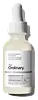
This hydrating serum is formulated around Sodium Hyaluronate and Panthenol to hydrate skin and strengthen the skin barrier.
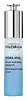
This hydrating serum is formulated around Hydrolyzed Sodium Hyaluronate and Sodium Hyaluronate to hydrate skin and soften the look of wrinkles.


What's inside
What's inside
 Key Ingredients
Benefits
Concerns
Ingredients Side-by-side
Water
Skin ConditioningSodium Hyaluronate
Humectant




Propanediol
Solvent
Pentylene Glycol
Skin Conditioning
Hydrolyzed Hyaluronic Acid
Humectant
Sodium Hyaluronate Crosspolymer
Humectant
Phospholipids
Skin Conditioning
Sphingolipids
Emollient
Panthenol
Skin Conditioning
Ahnfeltiopsis Concinna Extract
Skin Conditioning

Glycerin
Humectant
Polysorbate 20
Emulsifying

Citric Acid
Buffering

Sodium Citrate
BufferingP-Anisic Acid
MaskingTocopherol
Antioxidant


Trisodium Ethylenediamine Disuccinate
ChelatingCaprylyl Glycol
Emollient
Ethoxydiglycol
HumectantEthylhexylglycerin
Skin ConditioningHexylene Glycol
EmulsifyingPhenoxyethanol
Preservative
Chlorphenesin
Antimicrobial
Water, Sodium Hyaluronate, Propanediol, Pentylene Glycol, Hydrolyzed Hyaluronic Acid, Sodium Hyaluronate Crosspolymer, Phospholipids, Sphingolipids, Panthenol, Ahnfeltiopsis Concinna Extract, Glycerin, Polysorbate 20, Citric Acid, Sodium Citrate, P-Anisic Acid, Tocopherol, Trisodium Ethylenediamine Disuccinate, Caprylyl Glycol, Ethoxydiglycol, Ethylhexylglycerin, Hexylene Glycol, Phenoxyethanol, Chlorphenesin
Water
Skin ConditioningGlycereth-26
Humectant
1,2-Hexanediol
Skin Conditioning
PPG-26-Buteth-26
Skin ConditioningPEG-40 Hydrogenated Castor Oil
Emulsifying
Sucrose Palmitate
EmollientHydrolyzed Sodium Hyaluronate
Skin Conditioning
Propanediol
Solvent
Parfum
Masking


Sodium Polyacrylate Starch
AbsorbentGlyceryl Linoleate
Emollient
Tocopheryl Acetate
Antioxidant
Sodium Hyaluronate
Humectant
Sodium Benzoate
Masking
Chondrus Crispus Extract
Skin Conditioning
Citric Acid
Buffering
Disodium EDTA
ChelatingXanthan Gum
EmulsifyingO-Cymen-5-Ol
Antimicrobial
Benzyl Alcohol
Perfuming

Acrylates/C10-30 Alkyl Acrylate Crosspolymer
Emulsion StabilisingAdenosine
Skin Conditioning
Lithothamnion Calcareum Extract
Skin ConditioningPentylene Glycol
Skin Conditioning
Sodium Hyaluronate Crosspolymer
Humectant
Potassium Sorbate
Preservative
Prunus Amygdalus Dulcis Oil
Skin Conditioning
Sodium Chloride
MaskingDehydroacetic Acid
Preservative
Sophora Japonica Flower Extract
Skin ProtectingGlucose
Humectant
Phenoxyethanol
Preservative
Potassium Chloride
Calcium Chloride
AstringentMagnesium Sulfate
Glutamine
Skin ConditioningSodium Phosphate
BufferingAscorbic Acid
Antioxidant

Sodium Acetate
BufferingTocopherol
Antioxidant
Lysine Hcl
Skin Conditioning
Arginine Hcl
Skin ConditioningAlanine
Masking
Histidine Hcl
Skin ConditioningValine
MaskingLeucine
Skin ConditioningThreonine
Isoleucine
Skin ConditioningTryptophan
MaskingPhenylalanine
Masking
Tyrosine
MaskingGlycine
Buffering
Polysorbate 80
Emulsifying
Serine
Masking
Cystine
MaskingCyanocobalamin
Skin ConditioningGlutathione
Asparagine
MaskingAspartic Acid
Masking
Ornithine Hcl
Skin ConditioningGlutamic Acid
Humectant
Nicotinamide Adenine Dinucleotide
Skin ConditioningProline
Skin Conditioning
Methionine
Skin ConditioningTaurine
BufferingHydroxyproline
Skin ConditioningGlucosamine Hcl
Coenzyme A
Skin ConditioningSodium Glucuronate
HumectantThiamine Diphosphate
Skin ConditioningRetinyl Acetate
Skin Conditioning
Inositol
Humectant
Niacin
SmoothingNiacinamide
Smoothing



Pyridoxine Hcl
Skin ConditioningBiotin
AntiseborrhoeicCalcium Pantothenate
Riboflavin
Cosmetic ColorantSodium Tocopheryl Phosphate
Antioxidant
Thiamine Hcl
MaskingFolic Acid
Skin ConditioningWater, Glycereth-26, 1,2-Hexanediol, PPG-26-Buteth-26, PEG-40 Hydrogenated Castor Oil, Sucrose Palmitate, Hydrolyzed Sodium Hyaluronate, Propanediol, Parfum, Sodium Polyacrylate Starch, Glyceryl Linoleate, Tocopheryl Acetate, Sodium Hyaluronate, Sodium Benzoate, Chondrus Crispus Extract, Citric Acid, Disodium EDTA, Xanthan Gum, O-Cymen-5-Ol, Benzyl Alcohol, Acrylates/C10-30 Alkyl Acrylate Crosspolymer, Adenosine, Lithothamnion Calcareum Extract, Pentylene Glycol, Sodium Hyaluronate Crosspolymer, Potassium Sorbate, Prunus Amygdalus Dulcis Oil, Sodium Chloride, Dehydroacetic Acid, Sophora Japonica Flower Extract, Glucose, Phenoxyethanol, Potassium Chloride, Calcium Chloride, Magnesium Sulfate, Glutamine, Sodium Phosphate, Ascorbic Acid, Sodium Acetate, Tocopherol, Lysine Hcl, Arginine Hcl, Alanine, Histidine Hcl, Valine, Leucine, Threonine, Isoleucine, Tryptophan, Phenylalanine, Tyrosine, Glycine, Polysorbate 80, Serine, Cystine, Cyanocobalamin, Glutathione, Asparagine, Aspartic Acid, Ornithine Hcl, Glutamic Acid, Nicotinamide Adenine Dinucleotide, Proline, Methionine, Taurine, Hydroxyproline, Glucosamine Hcl, Coenzyme A, Sodium Glucuronate, Thiamine Diphosphate, Retinyl Acetate, Inositol, Niacin, Niacinamide, Pyridoxine Hcl, Biotin, Calcium Pantothenate, Riboflavin, Sodium Tocopheryl Phosphate, Thiamine Hcl, Folic Acid
Reviews
Ingredients Explained
These ingredients are found in both products.
Ingredients higher up in an ingredient list are typically present in a larger amount.
Citric Acid is an alpha hydroxy acid (AHA) naturally found in citrus fruits like oranges, lemons, and limes.
Like other AHAs, citric acid can exfoliate skin by breaking down the bonds that hold dead skin cells together. This helps reveal smoother and brighter skin underneath.
However, this exfoliating effect only happens at high concentrations (20%) which can be hard to find in cosmetic products.
Due to this, citric acid is usually included in small amounts as a pH adjuster. This helps keep products slightly more acidic and compatible with skin's natural pH.
In skincare formulas, citric acid can:
While it can provide some skin benefits, research shows lactic acid and glycolic acid are generally more effective and less irritating exfoliants.
Most citric acid used in skincare today is made by fermenting sugars (usually from molasses). This synthetic version is identical to the natural citrus form but easier to stabilize and use in formulations.
Rosacea skin has a lower threshold for acids generally, with 62.5% of rosacea subjects in one study reacting to lactic acid in a sting test. This is why we mark citric acid as a potential rosacea trigger.
However, this ingredient shows up as a pH adjuster or chelator at roughly 0.1-1% in many products. These low levels are unlikely to be an issue for rosacea skin and becomes a potential trigger at exfoliating concentrations (20%). Because everybody's skin is unique, we recommend a patch test if you are unsure.
Learn more about Citric AcidPentylene Glycol (1,2-pentanediol) is a multitasking little diol with three main roles in a formula:
Research on alkanediols (the family pentylene glycol belongs to) show they work by disrupting microbial cell membranes. This disruption helps the primary preservative system in a product work more effectively at lower doses.
On the safety side, the Cosmetic Ingredient Review Expert Panel has concluded this ingredient to be safe as used in current cosmetic practices + concentrations.
Typical use levels in a formula run about 1-5%.
Learn more about Pentylene GlycolPhenoxyethanol is one of the most widely used preservatives in skincare (and for good reason!).
It has a large spectrum of antimicrobial activity and especially effective bacteria, yeast, and mold while only having a weak effect on your skin's natural microbiome.
On a cellular level, it disrupts the cell membranes of microbes by poking holes that make the cell leak. This shuts down the chemical reactions the microbe needs to make energy so it can no longer survive.
Another perk of this ingredient is that it stays functional across a wide pH range (3-10).
You'll often see it paired with boosters like Ethylhexylglycerin; one study showed that a 1:9 ratio of Ethylhexylglycerin to Phenoxyethanol damages bacterial membranes as effectively as doubling the Phenoxyethanol concentration on its own.
Typical use concentrations range from 0.3-1% depending on the formula, and this ingredient is capped at 1% int the EU.
Safety-wise, the fear mongering does not hold up to the evidence. The EU's Scientific Committee on Consumer Safety and FDA consider it safe as a preservative at up to 1%, including for children of all ages.
Adverse systemic effects only showed up in animal studies at exposures roughly 200x higher than what people get from cosmetics. And despite its very widespread use, this ingredient is a rare sensitizer and allergic reactions are uncommon.
Learn more about PhenoxyethanolPropanediol is an all-star ingredient. It softens, hydrates, and smooths the skin.
It’s often used to:
Propanediol is not likely to cause sensitivity and considered safe to use. It is derived from corn or petroleum with a clear color and no scent.
Learn more about PropanediolSodium Hyaluronate is the salt form of hyaluronic acid. It is a long sugar chain that is naturally found in your skin, joints, and connective tissue that maintains hydration and elasticity.
In skincare, it works as a humectant. It pulls water from the environment and deeper layers of skin and binds it to the surface.
Interestingly, the size of the molecule affects its behavior:
Some clinical evidence links low molecular weight versions to improved wrinkle depth, elasticity, anti-inflammatory effects, and barrier repair.
Many serums use a blend of both weights so you can get surface hydration plus longer-lasting and deeper effects.
You'll typically see concentrations between 0.1-2% for this ingredient.
Learn more about Sodium HyaluronateSodium Hyaluronate Crosspolymer is a crosslinked version of sodium hyaluronate. This just means it's linked into a 3D mesh network that lets it be more stable and sit on skin as a cohesive, gel-like film rather than sinking into skin.
A 2016 human skin study found crosslinked HA increased epidermal water content by 7.6% over the control group and reduced transepidermal water loss by 27.8%.
A follow-up clinical trial found that a topical crosslinked HA serum applied after fillers, microneedling, or chemical peels was well-tolerated and enhanced skin quality at 14 / 28 days.
More recent research suggests that concentrations as low as 0.03% can act as a penetration enhancer for other skincare actives.
Learn more about Sodium Hyaluronate CrosspolymerTocopherol is a fat-soluble antioxidant known as Vitamin E.
You'll find this ingredient in the vast majority of skincare (for good reason). It works to neutralize free radicals, or unstable molecules generated by UV exposure, pollution, and other environmental stressors, before they can cause oxidative damage to your skin cells.
Topically applied tocopherol has been shown to protect against UV damage by ramping up the skin's own natural defense enzymes.
It also acts as a skin conditioning agent; some studies show that regular topical use can improve the skin's water-binding capacity over 2-4 weeks.
This ingredient is especially loved for being a team player. When combined with Vitamin C, the photoprotective effect of both ingredients roughly doubles and the combo also helps reduce UV-induced DNA damage.
This ingredient has some brightening potential but it's more of a prevention ingredient than spot-fader. Cell studies show it can slow down melanin production but it's worth noting that it's not the most powerful brightener out there.
In formulations, it also serves as a stabilizer that helps protect other oxidation-prone ingredients from degrading.
Concentrations usually range from 0.1-1% in most leave-on products.
Learn more about TocopherolWater. It's the most common cosmetic ingredient of all. You'll usually see it at the top of ingredient lists, meaning that it makes up the largest part of the product.
So why is it so popular? Water most often acts as a solvent - this means that it helps dissolve other ingredients into the formulation.
You'll also recognize water as that liquid we all need to stay alive. If you see this, drink a glass of water. Remember to stay hydrated!
Learn more about Water

