This calming serum is formulated around Aloe Barbadensis Leaf Juice Powder and Acetyl Glucosamine to calm redness and refine skin texture.
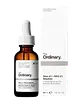
This anti-aging serum is formulated around Niacinamide and Palmitoyl Pentapeptide-4 to soften the look of wrinkles and strengthen the skin barrier.


What's inside
What's inside
 Key Ingredients
Benefits
Concerns
No concerns
Ingredients Side-by-side
Water
Skin ConditioningPropanediol
Solvent

Glycerin
Humectant
Dipropylene Glycol
HumectantAloe Barbadensis Leaf Juice Powder
Skin Conditioning

Acetyl Glucosamine
Skin Conditioning


Palmitoyl Pentapeptide-4
Skin Conditioning

Biosaccharide Gum-2
Skin ConditioningPentylene Glycol
Skin Conditioning
Xanthan Gum
EmulsifyingIsoceteth-20
EmulsifyingHydroxymethoxyphenyl Decanone
Skin ConditioningSodium Lactate
Buffering
Lactic Acid
Buffering





Sodium Hydroxide
BufferingEthylhexylglycerin
Skin ConditioningPhenoxyethanol
Preservative
Chlorphenesin
Antimicrobial
Water, Propanediol, Glycerin, Dipropylene Glycol, Aloe Barbadensis Leaf Juice Powder, Acetyl Glucosamine, Palmitoyl Pentapeptide-4, Biosaccharide Gum-2, Pentylene Glycol, Xanthan Gum, Isoceteth-20, Hydroxymethoxyphenyl Decanone, Sodium Lactate, Lactic Acid, Sodium Hydroxide, Ethylhexylglycerin, Phenoxyethanol, Chlorphenesin
Water
Skin ConditioningButylene Glycol
Humectant
Glycerin
Humectant
Cetyl Ethylhexanoate
Emollient1,2-Hexanediol
Skin Conditioning
Niacinamide
Smoothing

Hydrogenated Lecithin
Emulsifying
Pentaerythrityl Tetrabehenate
EmollientBetaine
Humectant
Diethoxyethyl Succinate
SolventCeramide NP
Skin Conditioning
Hydroxyethyl Urea
Humectant
Panthenol
Skin Conditioning
Cetearyl Alcohol
Emollient




Squalane
Emollient
Carbomer
Emulsion StabilisingButyrospermum Parkii Butter
Skin Conditioning
Tromethamine
BufferingXanthan Gum
EmulsifyingAllantoin
Skin Conditioning
Nicotinamide Adenine Dinucleotide
Skin ConditioningEthylhexylglycerin
Skin ConditioningAdenosine
Skin Conditioning
Disodium EDTA
ChelatingNicotinamide Mononucleotide
Antioxidant
Cyanocobalamin
Skin Conditioning2,3-Butanediol
HumectantDipropylene Glycol
HumectantCaprylyl Glycol
Emollient
Sodium Hyaluronate
Humectant
Rubus Fruticosus Fruit Extract
AstringentVaccinium Macrocarpon Fruit Extract
AstringentVaccinium Angustifolium Fruit Extract
Skin Protecting
Rubus Idaeus Fruit Extract
AstringentSambucus Nigra Fruit Extract
AstringentPunica Granatum Fruit Extract
Antioxidant
Polyglyceryl-10 Laurate
Skin Conditioning
Octyldodecanol
Emollient
Polyglyceryl-4 Caprate
EmulsifyingGlyceryl Stearate
Emollient
Methylpropanediol
SolventCopper Tripeptide-1
Skin Conditioning
Acetyl Hexapeptide-8
Humectant
Palmitoyl Pentapeptide-4
Skin Conditioning
Palmitoyl Tripeptide-1
Skin Conditioning
Hydrolyzed Hyaluronic Acid
Humectant
Hydrolyzed Sodium Hyaluronate
Skin Conditioning
Hyaluronic Acid
Humectant
Hydroxypropyltrimonium Hyaluronate
Potassium Hyaluronate
Skin ConditioningCeramide Ns
Skin Conditioning
Ceramide As
Skin Conditioning
Ceramide AP
Skin Conditioning
Cholesterol
Emollient
Tripeptide-1
Skin Conditioning
Hexapeptide-9
Skin Conditioning
Pentylene Glycol
Skin Conditioning
Astaxanthin
Skin Conditioning
Sodium Hyaluronate Crosspolymer
Humectant
Nonapeptide-1
Skin Conditioning
Sodium Acetylated Hyaluronate
Humectant
Soluble Collagen
Humectant
Oligopeptide-32
Antiseborrhoeic
Oligopeptide-29
Antioxidant
Acetyl Tetrapeptide-2
Skin Conditioning
Acetyl Tetrapeptide-3
Skin Protecting
Acetyl Octapeptide-3
Humectant
Palmitoyl Tetrapeptide-7
Skin Conditioning
Oligopeptide-6
Skin Conditioning
Ceramide EOP
Skin Conditioning
Water, Butylene Glycol, Glycerin, Cetyl Ethylhexanoate, 1,2-Hexanediol, Niacinamide, Hydrogenated Lecithin, Pentaerythrityl Tetrabehenate, Betaine, Diethoxyethyl Succinate, Ceramide NP, Hydroxyethyl Urea, Panthenol, Cetearyl Alcohol, Squalane, Carbomer, Butyrospermum Parkii Butter, Tromethamine, Xanthan Gum, Allantoin, Nicotinamide Adenine Dinucleotide, Ethylhexylglycerin, Adenosine, Disodium EDTA, Nicotinamide Mononucleotide, Cyanocobalamin, 2,3-Butanediol, Dipropylene Glycol, Caprylyl Glycol, Sodium Hyaluronate, Rubus Fruticosus Fruit Extract, Vaccinium Macrocarpon Fruit Extract, Vaccinium Angustifolium Fruit Extract, Rubus Idaeus Fruit Extract, Sambucus Nigra Fruit Extract, Punica Granatum Fruit Extract, Polyglyceryl-10 Laurate, Octyldodecanol, Polyglyceryl-4 Caprate, Glyceryl Stearate, Methylpropanediol, Copper Tripeptide-1, Acetyl Hexapeptide-8, Palmitoyl Pentapeptide-4, Palmitoyl Tripeptide-1, Hydrolyzed Hyaluronic Acid, Hydrolyzed Sodium Hyaluronate, Hyaluronic Acid, Hydroxypropyltrimonium Hyaluronate, Potassium Hyaluronate, Ceramide Ns, Ceramide As, Ceramide AP, Cholesterol, Tripeptide-1, Hexapeptide-9, Pentylene Glycol, Astaxanthin, Sodium Hyaluronate Crosspolymer, Nonapeptide-1, Sodium Acetylated Hyaluronate, Soluble Collagen, Oligopeptide-32, Oligopeptide-29, Acetyl Tetrapeptide-2, Acetyl Tetrapeptide-3, Acetyl Octapeptide-3, Palmitoyl Tetrapeptide-7, Oligopeptide-6, Ceramide EOP
Reviews
Ingredients Explained
These ingredients are found in both products.
Ingredients higher up in an ingredient list are typically present in a larger amount.
Dipropylene Glycol is a synthetically created humectant, stabilizer, and solvent.
This ingredient helps:
Dipropylene glycol is technically an alcohol, but it belongs to the glycol family (often considered part of the ‘good’ alcohols). This means it is hydrating and gentle on skin unlike drying solvent alcohols like denatured alcohol.
As a masking agent, Dipropylene Glycol can be used to cover the smell of other ingredients. However, it does not have a scent.
Studies show Dipropylene Glycol is considered safe to use in skincare.
Learn more about Dipropylene GlycolEthylhexylglycerin is created from glycerin. It is a multitasker ingredient that:
The CIR Expert Panel found minimal skin absorption or sensitization of any kind in a safety assessment. Though this ingredient is considered well-tolerated, a small number of cases of allergic dermatitis have been published since 2002. Just be sure to patch test if you are unsure.
Industry-reported use ranges from 8% in rinse-off products and 2% in leave-on formulations.
Learn more about EthylhexylglycerinGlycerin (or glycerol) is a compound naturally found in your skin. It's a powerhouse humectant that pulls water into the stratum corneum.
Topically, glycerin does several things at once:
Your skin makes glycerin on its own (mostly from sebaceous oil breakdown) and shuttles it to your outermost layer of skin, or your epidermis, via aquaporin-3.
Aquaporin-3 is a transporter that is essential for normal skin hydration, elasticity, and repair. Interestingly, mice lacking in AQP3 have dry and less elastic skin that can be fully corrected with glycerin.
This ingredient is non-irritating, plays well with almost every ingredient, and works across all skin types. Typical use is anywhere between 3-10% but can go up to 79% in some leave-on products.
Just know very high concentrations (>40%) can feel tacky in low humidity.
Glycerin is the name for this ingredient in American English. British English uses Glycerol/Glycerine.
Learn more about GlycerinYou might know this ingredient as Matrixyl. It is a synthetic peptide made up of five amino acids attached to a palmitic acid, a fatty acid that helps it absorb into skin more easily.
As a signal peptide, Matrixyl acts like a little messenger. Once it reaches your skin cells, it tells them to ramp up production of collagen, elastin, and other proteins that keep skin looking firm and smooth.
A 12 week clinical study found that a moisturizer containing just 3 ppm of Matrixyl led to a significant improvement in fine-lines and wrinkles. Another study showed an 18% reduction in wrinkle depth, 37% reduction in wrinkle thickness, and a 21% improvement in skin firmness after just 28 days of twice-daily use.
The coolest part is that it works at incredibly low concentrations (like 0.0003%) and it plays well with other actives.
The CIR (Cosmetic Ingredient Review) panel found it to be non-sensitizing across multiple tests and human patch tests also showed no irritation or sensitization.
Fun fact: Matrixyl was originally developed by French company Sederma and Procter & Gamble.
Read more about other common types of peptides here:
Learn more about Palmitoyl Pentapeptide-4Pentylene Glycol (1,2-pentanediol) is a multitasking little diol with three main roles in a formula:
Research on alkanediols (the family pentylene glycol belongs to) show they work by disrupting microbial cell membranes. This disruption helps the primary preservative system in a product work more effectively at lower doses.
On the safety side, the Cosmetic Ingredient Review Expert Panel has concluded this ingredient to be safe as used in current cosmetic practices + concentrations.
Typical use levels in a formula run about 1-5%.
Learn more about Pentylene GlycolWater. It's the most common cosmetic ingredient of all. You'll usually see it at the top of ingredient lists, meaning that it makes up the largest part of the product.
So why is it so popular? Water most often acts as a solvent - this means that it helps dissolve other ingredients into the formulation.
You'll also recognize water as that liquid we all need to stay alive. If you see this, drink a glass of water. Remember to stay hydrated!
Learn more about WaterXanthan gum is used as a stabilizer and thickener within cosmetic products. It helps give products a sticky, thick feeling - preventing them from being too runny.
On the technical side of things, xanthan gum is a polysaccharide - a combination consisting of multiple sugar molecules bonded together.
Xanthan gum is a pretty common and great ingredient. It is a natural, non-toxic, non-irritating ingredient that is also commonly used in food products.
Learn more about Xanthan Gum

