

What's inside
What's inside
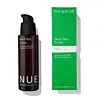 Key Ingredients
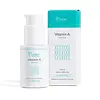
Benefits
Concerns
Ingredients Side-by-side
Water
Skin ConditioningGlycerin
Humectant



Isoamyl Laurate
Emollient
Heptyl Glucoside
Galactoarabinan
Sclerotium Gum
Emulsion StabilisingGlycolic Acid
Buffering








Lactic Acid
Buffering
Vaccinium Myrtillus Fruit Extract
Skin ConditioningBakuchiol
Antimicrobial



Sodium Hydroxide
BufferingPhenoxyethanol
Preservative
Maltodextrin
Absorbent
Caffeine
Skin Conditioning
Saccharum Officinarum Extract
MoisturisingIsoamyl Cocoate

Dipotassium Glycyrrhizate
Humectant
Zinc PCA
Humectant
Citrus Aurantium Dulcis Fruit Extract
MaskingCitrus Limon Fruit Extract
Masking
Ethylhexylglycerin
Skin ConditioningAcer Saccharum Extract
Skin ConditioningLeuconostoc/Radish Root Ferment Filtrate
Antimicrobial
Terminalia Ferdinandiana Fruit Extract
Antioxidant
Trisodium Ethylenediamine Disuccinate
Hyaluronic Acid
Humectant
Nephelium Lappaceum Peel Extract
Skin ConditioningHeptanol
Perfuming
Pinus Strobus Bark Extract
Skin ConditioningWater, Glycerin, Isoamyl Laurate, Heptyl Glucoside, Galactoarabinan, Sclerotium Gum, Glycolic Acid, Lactic Acid, Vaccinium Myrtillus Fruit Extract, Bakuchiol, Sodium Hydroxide, Phenoxyethanol, Maltodextrin, Caffeine, Saccharum Officinarum Extract, Isoamyl Cocoate, Dipotassium Glycyrrhizate, Zinc PCA, Citrus Aurantium Dulcis Fruit Extract, Citrus Limon Fruit Extract, Ethylhexylglycerin, Acer Saccharum Extract, Leuconostoc/Radish Root Ferment Filtrate, Terminalia Ferdinandiana Fruit Extract, Trisodium Ethylenediamine Disuccinate, Hyaluronic Acid, Nephelium Lappaceum Peel Extract, Heptanol, Pinus Strobus Bark Extract
Water
Skin ConditioningPentylene Glycol
Skin ConditioningGlycerin
Humectant
Tricaprylin
Masking
Dimethyl Isosorbide
SolventCandelilla/Jojoba/Rice Bran Polyglyceryl-3 Esters
Emulsifying
Glyceryl Stearate
Emollient
Panthenol
Skin Conditioning
Caprylyl Caprylate/Caprate
Emollient
Bakuchiol
Antimicrobial
Hydroxypinacolone Retinoate
Skin Conditioning
Sodium Hyaluronate
Humectant
Helianthus Annuus Seed Oil
Emollient
Retinol
Skin Conditioning
Retinal
Skin Conditioning
Asiaticoside
Antioxidant
Madecassic Acid
Skin Conditioning
Asiatic Acid
Skin ConditioningPropylheptyl Caprylate
EmollientDisodium Cetearyl Sulfosuccinate
CleansingCetearyl Alcohol
Emollient


Sodium Stearoyl Lactylate
EmulsifyingAllantoin
Skin Conditioning
Hydroxypropyl Cyclodextrin
MaskingTocopherol
Antioxidant
Sodium Phytate
Xanthan Gum
EmulsifyingCitric Acid
Buffering
Water, Pentylene Glycol, Glycerin, Tricaprylin, Dimethyl Isosorbide, Candelilla/Jojoba/Rice Bran Polyglyceryl-3 Esters, Glyceryl Stearate, Panthenol, Caprylyl Caprylate/Caprate, Bakuchiol, Hydroxypinacolone Retinoate, Sodium Hyaluronate, Helianthus Annuus Seed Oil, Retinol, Retinal, Asiaticoside, Madecassic Acid, Asiatic Acid, Propylheptyl Caprylate, Disodium Cetearyl Sulfosuccinate, Cetearyl Alcohol, Sodium Stearoyl Lactylate, Allantoin, Hydroxypropyl Cyclodextrin, Tocopherol, Sodium Phytate, Xanthan Gum, Citric Acid
Reviews
Ingredients Explained
These ingredients are found in both products.
Ingredients higher up in an ingredient list are typically present in a larger amount.
Bakuchiol is a plant-derived antioxidant (it's vegan!). It is often called the replacement for retinol although it is not part of the same family.
It has similar effects as retinol: skin smoothing, reducing discoloration, and preventing wrinkles. It does not cause as much irritation as traditional retinoids.
Bakuchiol works by breaking down free radicals and stimulating collagen production in skin.
Combining bakuchiol with retinol will not have adverse side effects. Studies show using them will just boost the benefits. Bakuchiol is also found to help stabilize retinol.
While bakuchiol does not make the skin more sun sensitive, we recommend wearing SPF on a daily basis.
Read more about traditional retinol
Learn more about BakuchiolGlycerin is already naturally found in your skin. It helps moisturize and protect your skin.
A study from 2016 found glycerin to be more effective as a humectant than AHAs and hyaluronic acid.
As a humectant, it helps the skin stay hydrated by pulling moisture to your skin. The low molecular weight of glycerin allows it to pull moisture into the deeper layers of your skin.
Hydrated skin improves your skin barrier; Your skin barrier helps protect against irritants and bacteria.
Glycerin has also been found to have antimicrobial and antiviral properties. Due to these properties, glycerin is often used in wound and burn treatments.
In cosmetics, glycerin is usually derived from plants such as soybean or palm. However, it can also be sourced from animals, such as tallow or animal fat.
This ingredient is organic, colorless, odorless, and non-toxic.
Glycerin is the name for this ingredient in American English. British English uses Glycerol/Glycerine.
Learn more about GlycerinWater. It's the most common cosmetic ingredient of all. You'll usually see it at the top of ingredient lists, meaning that it makes up the largest part of the product.
So why is it so popular? Water most often acts as a solvent - this means that it helps dissolve other ingredients into the formulation.
You'll also recognize water as that liquid we all need to stay alive. If you see this, drink a glass of water. Stay hydrated!
Learn more about Water
