

What's inside
What's inside
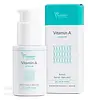 Key Ingredients
Benefits
Concerns
Ingredients Side-by-side
Water
Skin ConditioningPentylene Glycol
Skin Conditioning
Glycerin
Humectant

Tricaprylin
Perfuming
Dimethyl Isosorbide
SolventCandelilla/Jojoba/Rice Bran Polyglyceryl-3 Esters
Emulsifying
Glyceryl Stearate
Emollient
Panthenol
Skin Conditioning

Caprylyl Caprylate/Caprate
Emollient
Bakuchiol
Antimicrobial






Hydroxypinacolone Retinoate
Skin Conditioning


Sodium Hyaluronate
Humectant
Helianthus Annuus Seed Oil
Emollient
Retinol
Skin Conditioning
Retinal
Skin Conditioning
Asiaticoside
Antioxidant
Madecassic Acid
Skin Conditioning
Asiatic Acid
Skin Conditioning
Propylheptyl Caprylate
EmollientDisodium Cetearyl Sulfosuccinate
CleansingCetearyl Alcohol
Emollient



Sodium Stearoyl Lactylate
EmulsifyingAllantoin
Skin Conditioning
Hydroxypropyl Cyclodextrin
MaskingTocopherol
Antioxidant
Sodium Phytate
Xanthan Gum
EmulsifyingCitric Acid
Buffering
Water, Pentylene Glycol, Glycerin, Tricaprylin, Dimethyl Isosorbide, Candelilla/Jojoba/Rice Bran Polyglyceryl-3 Esters, Glyceryl Stearate, Panthenol, Caprylyl Caprylate/Caprate, Bakuchiol, Hydroxypinacolone Retinoate, Sodium Hyaluronate, Helianthus Annuus Seed Oil, Retinol, Retinal, Asiaticoside, Madecassic Acid, Asiatic Acid, Propylheptyl Caprylate, Disodium Cetearyl Sulfosuccinate, Cetearyl Alcohol, Sodium Stearoyl Lactylate, Allantoin, Hydroxypropyl Cyclodextrin, Tocopherol, Sodium Phytate, Xanthan Gum, Citric Acid
Reviews
Ingredients Explained
These ingredients are found in both products.
Ingredients higher up in an ingredient list are typically present in a larger amount.
Retinal is a form of retinoid. Retinoids are the gold-standard class of anti-aging ingredients.
Retinal has many benefits as other retinoids: improve skin texture, reduce large pores, reduce the effects of aging, reduce the visibility of dark spots, heal scars, and fight acne.
Studies show retinal may work at a faster rate than retinol due to its structure.
All retinoids have to be converted into retinoic acid before starting to work. Some retinoids take several steps of conversion before binding. Retinal is only one step away, making it more potent.
Like other retinoids, retinal may be irritating. It is best to ease into using this ingredient frequently.
Using the 'ramp up' method, start by using retinol once a week. This gives your skin time to adjust and decrease irritation. Once you feel ready, you can slowly increase the frequency of retinol use.
Using retinoids will increase sun-sensitivity in the first few weeks of use. Though studies show retinoids increase your skin's natural SPF with continuous use, it is best to always wear sunscreen and sun-protection.
Learn more about RetinalTocopherol is a fat-soluble antioxidant known as Vitamin E.
You'll find this ingredient in the vast majority of skincare (for good reason). It works to neutralize free radicals, or unstable molecules generated by UV exposure, pollution, and other environmental stressors, before they can cause oxidative damage to your skin cells.
Topically applied tocopherol has been shown to protect against UV damage by ramping up the skin's own natural defense enzymes.
It also acts as a skin conditioning agent; some studies show that regular topical use can improve the skin's water-binding capacity over 2-4 weeks.
This ingredient is especially loved for being a team player. When combined with Vitamin C, the photoprotective effect of both ingredients roughly doubles and the combo also helps reduce UV-induced DNA damage.
This ingredient has some brightening potential but it's more of a prevention ingredient than spot-fader. Cell studies show it can slow down melanin production but it's worth noting that it's not the most powerful brightener out there.
In formulations, it also serves as a stabilizer that helps protect other oxidation-prone ingredients from degrading.
Concentrations usually range from 0.1-1% in most leave-on products.
Learn more about Tocopherol
