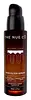
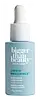
The Nue Co Skin Filter Daily Brightening Phyto-Retinol + AHA Serum Versus Thrive Causemetics Liquid Brilliance Super Serum
This brightening serum is formulated around Glycolic Acid and Lactic Acid to brighten dull-looking skin and refine skin texture.
This brightening serum is formulated around Niacinamide and Ectoin to brighten dull-looking skin and soften the look of wrinkles.

What's inside
What's inside
 Key Ingredients
Benefits
Concerns
Ingredients Side-by-side
Water
Skin ConditioningGlycerin
Humectant


Isoamyl Laurate
Emollient

Heptyl Glucoside
SurfactantGalactoarabinan

Sclerotium Gum
Emulsion StabilisingGlycolic Acid
Buffering









Lactic Acid
Buffering
Vaccinium Myrtillus Fruit Extract
Skin ConditioningBakuchiol
Antimicrobial


Sodium Hydroxide
BufferingMaltodextrin
Absorbent
Caffeine
Skin Conditioning
Saccharum Officinarum Extract
MoisturisingIsoamyl Cocoate


Dipotassium Glycyrrhizate
Humectant
Zinc PCA
Humectant
Citrus Aurantium Dulcis Fruit Extract
MaskingCitrus Limon Fruit Extract
Masking
Ethylhexylglycerin
Skin ConditioningAcer Saccharum Extract
Skin ConditioningLeuconostoc/Radish Root Ferment Filtrate
Antimicrobial
Terminalia Ferdinandiana Fruit Extract
Antioxidant
Trisodium Ethylenediamine Disuccinate
ChelatingHyaluronic Acid
Humectant
Nephelium Lappaceum Peel Extract
Skin ConditioningHeptanol
Perfuming

Pinus Strobus Bark Extract
Skin ConditioningWater, Glycerin, Isoamyl Laurate, Heptyl Glucoside, Galactoarabinan, Sclerotium Gum, Glycolic Acid, Lactic Acid, Vaccinium Myrtillus Fruit Extract, Bakuchiol, Sodium Hydroxide, Maltodextrin, Caffeine, Saccharum Officinarum Extract, Isoamyl Cocoate, Dipotassium Glycyrrhizate, Zinc PCA, Citrus Aurantium Dulcis Fruit Extract, Citrus Limon Fruit Extract, Ethylhexylglycerin, Acer Saccharum Extract, Leuconostoc/Radish Root Ferment Filtrate, Terminalia Ferdinandiana Fruit Extract, Trisodium Ethylenediamine Disuccinate, Hyaluronic Acid, Nephelium Lappaceum Peel Extract, Heptanol, Pinus Strobus Bark Extract
Water
Skin ConditioningGlycerin
Humectant
Propanediol
Solvent
Polysorbate 20
Emulsifying
Niacinamide
Smoothing
Betaine
Humectant
Citrus Aurantium Dulcis Flower Extract
Skin ConditioningPunica Granatum Bark/Fruit Extract
AntimicrobialEctoin
Skin Conditioning
Hedychium Coronarium Root Extract
MaskingPolyacrylate Crosspolymer-6
Emulsion StabilisingDimethyl Isosorbide
SolventPanthenol
Skin Conditioning
Sodium Hyaluronate
Humectant
Tocopheryl Acetate
Antioxidant
1,2-Hexanediol
Skin Conditioning
Glyceryl Glucoside
Humectant
Sodium PCA
Humectant
Allantoin
Skin Conditioning
Creatine
Skin ConditioningTrehalose
Humectant
Sodium Lactate
Buffering
Palmitoyl Tripeptide-38
Skin Conditioning
Dipotassium Glycyrrhizate
Humectant
PCA
Humectant
Opuntia Ficus-Indica Stem Extract
Skin Conditioning
Ferulic Acid
Antimicrobial
Maltodextrin
Absorbent
Serine
Masking
Alanine
Masking
Glycine
Buffering
Tetraselmis Suecica Extract
Skin ConditioningGlutamic Acid
Humectant
Hippophae Rhamnoides Fruit Oil
Skin Protecting
Limnanthes Alba Seed Oil
Skin Conditioning
Lysine Hcl
Skin Conditioning
Threonine
Arginine
Masking
Aspalathus Linearis Leaf Extract
Skin ConditioningProline
Skin Conditioning
Hydroxypropyl Cyclodextrin
MaskingXanthan Gum
EmulsifyingTrisodium Ethylenediamine Disuccinate
ChelatingSodium Hydroxide
BufferingHydroxyacetophenone
Antioxidant
Caprylyl Glycol
Emollient
Ethylhexylglycerin
Skin ConditioningWater, Glycerin, Propanediol, Polysorbate 20, Niacinamide, Betaine, Citrus Aurantium Dulcis Flower Extract, Punica Granatum Bark/Fruit Extract, Ectoin, Hedychium Coronarium Root Extract, Polyacrylate Crosspolymer-6, Dimethyl Isosorbide, Panthenol, Sodium Hyaluronate, Tocopheryl Acetate, 1,2-Hexanediol, Glyceryl Glucoside, Sodium PCA, Allantoin, Creatine, Trehalose, Sodium Lactate, Palmitoyl Tripeptide-38, Dipotassium Glycyrrhizate, PCA, Opuntia Ficus-Indica Stem Extract, Ferulic Acid, Maltodextrin, Serine, Alanine, Glycine, Tetraselmis Suecica Extract, Glutamic Acid, Hippophae Rhamnoides Fruit Oil, Limnanthes Alba Seed Oil, Lysine Hcl, Threonine, Arginine, Aspalathus Linearis Leaf Extract, Proline, Hydroxypropyl Cyclodextrin, Xanthan Gum, Trisodium Ethylenediamine Disuccinate, Sodium Hydroxide, Hydroxyacetophenone, Caprylyl Glycol, Ethylhexylglycerin
Ingredients Explained
These ingredients are found in both products.
Ingredients higher up in an ingredient list are typically present in a larger amount.
Dipotassium Glycyrrhizate comes from licorice root.
Extracts of licorice have demonstrated to have antibacterial, anti‐inflammatory, antiviral, antioxidant properties.
One component, glabridin, has extra potent antioxidant and soothing properties. It has also been found to block pigmentation from UVB rays in guinea pigs.
Licorice Root also contains a flavonoid. Flavonoids are a natural substance from in plants. Flavonoids also have antioxidant properties.
Another component, glycyrrhizin, has been found to have anti-inflammatory and antimicrobial benefits. This may make licorice root extract effective at treating acne. However, more research is needed to support this.
Liquiritin is one of the flavone compounds found in licorice. It has been found to help lighten skin by preventing tyrosinase from reacting with tyrosine. When the two react, protein is converted to melanin. Melanin is the substance in your body that gives your features pigmentation.
Licorice root is native to Southern Europe and Asia. It has been used in traditional Chinese medicine to help with respiratory issues.
Learn more about Dipotassium GlycyrrhizateEthylhexylglycerin is created from glycerin. It is a multitasker ingredient that:
The CIR Expert Panel found minimal skin absorption or sensitization of any kind in a safety assessment. Though this ingredient is considered well-tolerated, a small number of cases of allergic dermatitis have been published since 2002. Just be sure to patch test if you are unsure.
Industry-reported use ranges from 8% in rinse-off products and 2% in leave-on formulations.
Learn more about EthylhexylglycerinGlycerin (or glycerol) is a compound naturally found in your skin. It's a powerhouse humectant that pulls water into the stratum corneum.
Topically, glycerin does several things at once:
Your skin makes glycerin on its own (mostly from sebaceous oil breakdown) and shuttles it to your outermost layer of skin, or your epidermis, via aquaporin-3.
Aquaporin-3 is a transporter that is essential for normal skin hydration, elasticity, and repair. Interestingly, mice lacking in AQP3 have dry and less elastic skin that can be fully corrected with glycerin.
This ingredient is non-irritating, plays well with almost every ingredient, and works across all skin types. Typical use is anywhere between 3-10% but can go up to 79% in some leave-on products.
Just know very high concentrations (>40%) can feel tacky in low humidity.
Glycerin is the name for this ingredient in American English. British English uses Glycerol/Glycerine.
Learn more about GlycerinMaltodextrin is a plant-derived carbohydrate made by breaking down starch (usually from corn, potato, or rice). In cosmetic formulas, it's a multitasking absorbent, emulsion stabilizer, and skin conditioner.
This ingredient is mostly used to stabilize emulsions and improve the powdery, non-greasy feel of products (like dry shampoos).
Safety-wise, this ingredient is pretty solid; it's even recognized as a food additive. Both animal and clinical studies found no adverse effects at the levels used in cosmetics.
Industry data shows this ingredient is used up to 45.7% in spray products and up to 33% in powder products.
Learn more about MaltodextrinSodium Hydroxide is also known as lye or caustic soda. It is used to adjust the pH of products; many ingredients require a specific pH to be effective.
In small amounts, sodium hydroxide is considered safe to use. However, large amounts may cause chemical burns due to its high alkaline.
Your skin has a natural pH and acid mantle. This acid mantle helps prevent harmful bacteria from breaking through. The acid mantle also helps keep your skin hydrated.
"Alkaline" refers to a high pH level. A low pH level would be considered acidic.
Learn more about Sodium HydroxideTrisodium Ethylenediamine Disuccinate is used to help stabilize a product.
It is a chelating agent, meaning it helps prevent metal ions from binding to other ingredients. This prevents unwanted reactions in products. Metal ions can come into a product via the water ingredient. They are found in trace amounts and are not known to be harmful.
Water. It's the most common cosmetic ingredient of all. You'll usually see it at the top of ingredient lists, meaning that it makes up the largest part of the product.
So why is it so popular? Water most often acts as a solvent - this means that it helps dissolve other ingredients into the formulation.
You'll also recognize water as that liquid we all need to stay alive. If you see this, drink a glass of water. Remember to stay hydrated!
Learn more about Water

