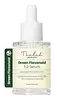
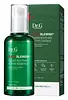
THE LAB by blanc doux Green Flavonoid 5.0 Serum Versus Dr.G R.e.d Blemish Clear Soothing Active Essence
This serum is formulated around Capryloyl Salicylic Acid to fight breakouts and control oil.
This calming essence is formulated around Niacinamide and Houttuynia Cordata Extract to calm redness and strengthen the skin barrier.

What's inside
What's inside
 Key Ingredients
Benefits
Concerns
Ingredients Side-by-side
Water
Skin ConditioningDipropylene Glycol
HumectantGlycerin
Humectant


Propanediol
Solvent
1,2-Hexanediol
Skin Conditioning
Pentylene Glycol
Skin Conditioning
Acrylates/C10-30 Alkyl Acrylate Crosspolymer
Emulsion StabilisingPolyglyceryl-10 Laurate
Skin Conditioning

Polyglycerin-3
Humectant
Tromethamine
BufferingCapryloyl Salicylic Acid
Exfoliating




Sodium Citrate
BufferingGlucosyl Hesperidin
HumectantCitrus Unshiu Peel Extract
MaskingDiethoxyethyl Succinate
SolventSodium Phytate
ChelatingPanthenol
Skin Conditioning

Xanthan Gum
EmulsifyingHydrogenated Lecithin
Emulsifying
Cetearyl Olivate
Sorbitan Olivate
Emulsifying
Glyceryl Acrylate/Acrylic Acid Copolymer
HumectantPvm/Ma Copolymer
Emulsion StabilisingSodium Hyaluronate
Humectant

Water, Dipropylene Glycol, Glycerin, Propanediol, 1,2-Hexanediol, Pentylene Glycol, Acrylates/C10-30 Alkyl Acrylate Crosspolymer, Polyglyceryl-10 Laurate, Polyglycerin-3, Tromethamine, Capryloyl Salicylic Acid, Sodium Citrate, Glucosyl Hesperidin, Citrus Unshiu Peel Extract, Diethoxyethyl Succinate, Sodium Phytate, Panthenol, Xanthan Gum, Hydrogenated Lecithin, Cetearyl Olivate, Sorbitan Olivate, Glyceryl Acrylate/Acrylic Acid Copolymer, Pvm/Ma Copolymer, Sodium Hyaluronate
Water
Skin ConditioningPropanediol
Solvent
Dipropylene Glycol
HumectantGlycerin
Humectant
Niacinamide
Smoothing


1,2-Hexanediol
Skin Conditioning
Pentylene Glycol
Skin Conditioning
Houttuynia Cordata Extract
Skin Conditioning
Ectoin
Skin Conditioning
Acrylates/C10-30 Alkyl Acrylate Crosspolymer
Emulsion StabilisingMadecassoside
Antioxidant
Butylene Glycol
Humectant
Panthenol
Skin Conditioning
Allantoin
Skin Conditioning
Caprylyl Glycol
Emollient
Tromethamine
BufferingIlex Aquifolium Leaf Extract
Skin ConditioningDisodium EDTA
ChelatingCaprylic/Capric Triglyceride
Masking
Olea Europaea Fruit Oil
Masking



Butyrospermum Parkii Butter
Skin Conditioning
Hydrogenated Lecithin
Emulsifying
Squalane
Emollient
Centella Asiatica Extract
Cleansing
Portulaca Oleracea Extract
Skin Conditioning
Pinus Densiflora Leaf Extract
Antimicrobial
Citrus Junos Fruit Extract
Skin ConditioningBeta-Glucan
Skin Conditioning
Artemisia Annua Extract
Masking
Aloe Ferox Leaf Extract
Skin ConditioningEryngium Maritimum Extract
TonicAchillea Millefolium Flower Extract
Antioxidant
Ethylhexylglycerin
Skin ConditioningCholesterol
Emollient
Ceramide NP
Skin Conditioning
Phytosphingosine
Skin Conditioning
Asiaticoside
Antioxidant
Asiatic Acid
Skin Conditioning
Madecassic Acid
Skin Conditioning
Water, Propanediol, Dipropylene Glycol, Glycerin, Niacinamide, 1,2-Hexanediol, Pentylene Glycol, Houttuynia Cordata Extract, Ectoin, Acrylates/C10-30 Alkyl Acrylate Crosspolymer, Madecassoside, Butylene Glycol, Panthenol, Allantoin, Caprylyl Glycol, Tromethamine, Ilex Aquifolium Leaf Extract, Disodium EDTA, Caprylic/Capric Triglyceride, Olea Europaea Fruit Oil, Butyrospermum Parkii Butter, Hydrogenated Lecithin, Squalane, Centella Asiatica Extract, Portulaca Oleracea Extract, Pinus Densiflora Leaf Extract, Citrus Junos Fruit Extract, Beta-Glucan, Artemisia Annua Extract, Aloe Ferox Leaf Extract, Eryngium Maritimum Extract, Achillea Millefolium Flower Extract, Ethylhexylglycerin, Cholesterol, Ceramide NP, Phytosphingosine, Asiaticoside, Asiatic Acid, Madecassic Acid
Reviews
Ingredients Explained
These ingredients are found in both products.
Ingredients higher up in an ingredient list are typically present in a larger amount.
1,2-Hexanediol is a synthetic liquid and another multi-functional powerhouse.
It is a:
- Humectant, drawing moisture into the skin
- Emollient, helping to soften skin
- Solvent, dispersing and stabilizing formulas
- Preservative booster, enhancing the antimicrobial activity of other preservatives
Acrylates/C10-30 Alkyl Acrylate Crosspolymer is a synthetic polymer. It is used to thicken, emulsify, and improve the texture of products.
As an emulsifier, it helps stabilize oil-in-water emulsions to give products an elegant feel when applied.
It can also form a thin protective film on skin. One study found that a formula using this polymer helped slow down how quickly other ingredients (like DEET) were absorbed through skin.
A 2024 study of over 1,300 patients confirmed that sensitization to this ingredient is rare. It is also non-mutagenic and has a clean track record.
Learn more about Acrylates/C10-30 Alkyl Acrylate CrosspolymerDipropylene Glycol is a synthetically created humectant, stabilizer, and solvent.
This ingredient helps:
Dipropylene glycol is technically an alcohol, but it belongs to the glycol family (often considered part of the ‘good’ alcohols). This means it is hydrating and gentle on skin unlike drying solvent alcohols like denatured alcohol.
As a masking agent, Dipropylene Glycol can be used to cover the smell of other ingredients. However, it does not have a scent.
Studies show Dipropylene Glycol is considered safe to use in skincare.
Learn more about Dipropylene GlycolGlycerin (or glycerol) is a compound naturally found in your skin. It's a powerhouse humectant that pulls water into the stratum corneum.
Topically, glycerin does several things at once:
Your skin makes glycerin on its own (mostly from sebaceous oil breakdown) and shuttles it to your outermost layer of skin, or your epidermis, via aquaporin-3.
Aquaporin-3 is a transporter that is essential for normal skin hydration, elasticity, and repair. Interestingly, mice lacking in AQP3 have dry and less elastic skin that can be fully corrected with glycerin.
This ingredient is non-irritating, plays well with almost every ingredient, and works across all skin types. Typical use is anywhere between 3-10% but can go up to 79% in some leave-on products.
Just know very high concentrations (>40%) can feel tacky in low humidity.
Glycerin is the name for this ingredient in American English. British English uses Glycerol/Glycerine.
Learn more about GlycerinHydrogenated Lecithin is a more stable version of lecithin.
It's made by taking lecithin (a phospholipid commonly found in soybeans and egg yolks) and hydrogenating it. This just means the unsaturated fatty acids are turned into saturated ones so they don't go bad as easily.
This ingredient is an emollient, emulsifier, and penetration enhancer. As an emollient, it helps soften and hydrate skin by trapping moisture within. As an emulsifier, it prevents oil and water ingredients from separating.
Hydrogenated Lecithin can form tiny spherical structures made of phospholipid bilayers called liposomes. These liposomes are able to capture compounds inside their structure and deliver them through the skin barrier.
Because phospholipids are a natural component of our cell membranes, this ingredient is inherently compatible with skin.
A 2021 study found lecithin-based surfactants were less harsh and more tolerable comared to Sodium Lauryl Sulfate (SLS).
Learn more about Hydrogenated LecithinPanthenol is a common ingredient that helps hydrate and soothe the skin. It is found naturally in our skin and hair.
There are two forms of panthenol: D and L.
D-panthenol is also known as dexpanthenol. Most cosmetics use dexpanthenol or a mixture of D and L-panthenol.
Panthenol is famous due to its ability to go deeper into the skin's layers. Using this ingredient has numerous pros (and no cons):
Like hyaluronic acid, panthenol is a humectant. Humectants are able to bind and hold large amounts of water to keep skin hydrated.
This ingredient works well for wound healing. It works by increasing tissue in the wound and helps close open wounds.
Once oxidized, panthenol converts to pantothenic acid. Panthothenic acid is found in all living cells.
This ingredient is also referred to as pro-vitamin B5.
Learn more about PanthenolPentylene Glycol (1,2-pentanediol) is a multitasking little diol with three main roles in a formula:
Research on alkanediols (the family pentylene glycol belongs to) show they work by disrupting microbial cell membranes. This disruption helps the primary preservative system in a product work more effectively at lower doses.
On the safety side, the Cosmetic Ingredient Review Expert Panel has concluded this ingredient to be safe as used in current cosmetic practices + concentrations.
Typical use levels in a formula run about 1-5%.
Learn more about Pentylene GlycolPropanediol is an all-star ingredient. It softens, hydrates, and smooths the skin.
It’s often used to:
Propanediol is not likely to cause sensitivity and considered safe to use. It is derived from corn or petroleum with a clear color and no scent.
Learn more about PropanediolTromethamine (aka THAM) is a synthetic amino acid that shows up in skincare as a helper ingredient.
It functions as a pH adjuster to help neutralize acidic ingredients and set a formula's pH to the right spot.
This matters a lot because a lot of actives (like vitamin C) needs a specific pH to work well and feel comfortable on skin.
Concentration use ranges from 0.1-1.0% depending on the formula.
Learn more about TromethamineWater. It's the most common cosmetic ingredient of all. You'll usually see it at the top of ingredient lists, meaning that it makes up the largest part of the product.
So why is it so popular? Water most often acts as a solvent - this means that it helps dissolve other ingredients into the formulation.
You'll also recognize water as that liquid we all need to stay alive. If you see this, drink a glass of water. Remember to stay hydrated!
Learn more about Water

