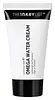
This barrier-repair moisturizer is formulated around Niacinamide to strengthen the skin barrier and balance excess oil.
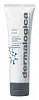
This barrier-repair moisturizer is formulated around Caprylic/Capric Triglyceride and Saccharide Isomerate to strengthen the skin barrier and hydrate skin.


What's inside
What's inside
 Key Ingredients
No key ingredients
Benefits
Concerns
Ingredients Side-by-side
Water
Skin ConditioningDicaprylyl Carbonate
EmollientGlycerin
Humectant


Niacinamide
Smoothing









Propanediol
Solvent
Betaine
Humectant
Polyglyceryl-4 Isostearate
Emulsifying

Coco-Caprylate/Caprate
Emollient
Magnesium Sulfate
Glycosphingolipids
EmollientGlycolipids
Skin ConditioningSodium Benzoate
Masking
Disteardimonium Hectorite
StabilisingOleic Acid
Emollient


Potassium Sorbate
Preservative
Citric Acid
Buffering
Polyglycerin-3
Humectant
Water
Skin ConditioningCaprylic/Capric Triglyceride
Masking
Pentylene Glycol
Skin Conditioning
Butylene Glycol
Humectant
Methyl Gluceth-20
Humectant
Coconut Alkanes
Emollient
Cetearyl Alcohol
Emollient
Palmitic Acid
Emollient
Stearic Acid
Cleansing
Saccharide Isomerate
Humectant
Dimethicone
Emollient
Glyceryl Stearate
Emollient
Hydrolyzed Jojoba Esters
Skin Conditioning
Leuconostoc/Radish Root Ferment Filtrate
Antimicrobial
Arctium Lappa Root Extract
Skin Conditioning
Citrus Limon Fruit Extract
Masking
Cucumis Sativus Fruit Extract
Emollient
Hedera Helix Extract
AntimicrobialMalva Sylvestris Flower Extract
Skin ConditioningNasturtium Officinale Extract
Perfuming
Propanediol
Solvent
Polysorbate 60
Emulsifying
Caprylyl Glycol
Emollient
Acrylates/C10-30 Alkyl Acrylate Crosspolymer
Emulsion StabilisingAllantoin
Skin Conditioning
Tetrasodium Glutamate Diacetate
ChelatingCoco-Caprylate/Caprate
Emollient
Polyquaternium-10
Ethylhexylglycerin
Skin ConditioningTriethyl Citrate
Masking
Myristic Acid
Cleansing
Citrus Aurantium Bergamia Fruit Extract
Skin ConditioningCitrus Limon Peel Extract
EmollientLavandula Angustifolia Flower/Leaf/Stem Extract
Masking
Lavandula Hybrida Flower Extract
Masking
Citric Acid
Buffering
Sodium Citrate
BufferingSodium Hydroxide
BufferingAminomethyl Propanol
BufferingCitral
Perfuming
Linalool
Perfuming
Limonene
Perfuming
Water, Caprylic/Capric Triglyceride, Pentylene Glycol, Butylene Glycol, Methyl Gluceth-20, Coconut Alkanes, Cetearyl Alcohol, Palmitic Acid, Stearic Acid, Saccharide Isomerate, Dimethicone, Glyceryl Stearate, Hydrolyzed Jojoba Esters, Leuconostoc/Radish Root Ferment Filtrate, Arctium Lappa Root Extract, Citrus Limon Fruit Extract, Cucumis Sativus Fruit Extract, Hedera Helix Extract, Malva Sylvestris Flower Extract, Nasturtium Officinale Extract, Propanediol, Polysorbate 60, Caprylyl Glycol, Acrylates/C10-30 Alkyl Acrylate Crosspolymer, Allantoin, Tetrasodium Glutamate Diacetate, Coco-Caprylate/Caprate, Polyquaternium-10, Ethylhexylglycerin, Triethyl Citrate, Myristic Acid, Citrus Aurantium Bergamia Fruit Extract, Citrus Limon Peel Extract, Lavandula Angustifolia Flower/Leaf/Stem Extract, Lavandula Hybrida Flower Extract, Citric Acid, Sodium Citrate, Sodium Hydroxide, Aminomethyl Propanol, Citral, Linalool, Limonene
Reviews
Ingredients Explained
These ingredients are found in both products.
Ingredients higher up in an ingredient list are typically present in a larger amount.
Citric Acid is an alpha hydroxy acid (AHA) naturally found in citrus fruits like oranges, lemons, and limes.
Like other AHAs, citric acid can exfoliate skin by breaking down the bonds that hold dead skin cells together. This helps reveal smoother and brighter skin underneath.
However, this exfoliating effect only happens at high concentrations (20%) which can be hard to find in cosmetic products.
Due to this, citric acid is usually included in small amounts as a pH adjuster. This helps keep products slightly more acidic and compatible with skin's natural pH.
In skincare formulas, citric acid can:
While it can provide some skin benefits, research shows lactic acid and glycolic acid are generally more effective and less irritating exfoliants.
Most citric acid used in skincare today is made by fermenting sugars (usually from molasses). This synthetic version is identical to the natural citrus form but easier to stabilize and use in formulations.
Rosacea skin has a lower threshold for acids generally, with 62.5% of rosacea subjects in one study reacting to lactic acid in a sting test. This is why we mark citric acid as a potential rosacea trigger.
However, this ingredient shows up as a pH adjuster or chelator at roughly 0.1-1% in many products. These low levels are unlikely to be an issue for rosacea skin and becomes a potential trigger at exfoliating concentrations (20%). Because everybody's skin is unique, we recommend a patch test if you are unsure.
Learn more about Citric AcidCoco-Caprylate/Caprate is a lightweight ester created from coconut oil fatty acids, caprylic acid, and capric acid.
It is an emollient that helps soften skin and reduce transepidermal water loss (TEWL). What sets it apart from heavier emollients is its ultralight, non-greasy feel.
Once applied, this ingredient dries down quickly and leaves a dry, silky finish behind. This also helps improve spreadability and texture.
This ingredient has an excellent safety-record and is non-irritating.
Typical concentrations for cosmetics range from 0.5-62%.
Research on Malassezia growth found no growth on fatty acid esters with chain lengths shorter than 12 carbons (it prefers C11-24).
Since Coco-Caprylate/Caprate is built on C8 and C10 fatty acids, it is out of the range that Malassezia metabolizes, and therefore safe for fungal acne.
Learn more about Coco-Caprylate/CapratePropanediol is an all-star ingredient. It softens, hydrates, and smooths the skin.
It’s often used to:
Propanediol is not likely to cause sensitivity and considered safe to use. It is derived from corn or petroleum with a clear color and no scent.
Learn more about PropanediolWater. It's the most common cosmetic ingredient of all. You'll usually see it at the top of ingredient lists, meaning that it makes up the largest part of the product.
So why is it so popular? Water most often acts as a solvent - this means that it helps dissolve other ingredients into the formulation.
You'll also recognize water as that liquid we all need to stay alive. If you see this, drink a glass of water. Remember to stay hydrated!
Learn more about Water


