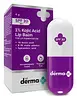
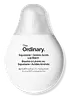
The Derma Co 1% Kojic Acid Lip Balm With Alpha Arbutin & Hyaluronic Acid Versus The Ordinary Squalane + Amino Acids Lip Balm
This brightening lip moisturizer is formulated around Sodium Hyaluronate and Alpha-Arbutin to fade the look of dark spots and brighten dull-looking skin.
This barrier-repair lip moisturizer is formulated around Squalane and Sodium PCA to strengthen the lip barrier and hydrate lips.


What's inside
What's inside
 Key Ingredients
Benefits
Concerns
Ingredients Side-by-side
Beeswax
Emulsion Stabilising




Cocos Nucifera Oil
Masking



Butyrospermum Parkii Butter
Skin Conditioning
Ricinus Communis Seed Oil
Masking
Ethylhexyl Methoxycinnamate
UV Absorber


Euphorbia Cerifera Cera
Astringent
Theobroma Cacao Seed Butter
Emollient
Prunus Amygdalus Dulcis Oil
Skin Conditioning
Rubus Idaeus Seed Oil
Emollient
Simmondsia Chinensis Seed Oil
Emollient
Olea Europaea Fruit Oil
Masking
Calendula Officinalis Flower Oil
Masking


Copernicia Cerifera Wax
Persea Gratissima Oil
Skin Conditioning
Dicaprylyl Carbonate
EmollientCetearyl Olivate
Sorbitan Olivate
Emulsifying
Zinc Oxide
Cosmetic Colorant
Titanium Dioxide
Cosmetic Colorant
Kojic Dipalmitate
Emollient
Sodium Hyaluronate
Humectant

Alpha-Arbutin
Antioxidant



Caprylyl Methicone
Skin Conditioning
Tocopherol
Antioxidant
Helianthus Annuus Seed Oil
Emollient
Zea Mays Oil
Emulsifying
Macadamia Integrifolia Seed Oil
Skin Conditioning
Beeswax, Cocos Nucifera Oil, Butyrospermum Parkii Butter, Ricinus Communis Seed Oil, Ethylhexyl Methoxycinnamate, Euphorbia Cerifera Cera, Theobroma Cacao Seed Butter, Prunus Amygdalus Dulcis Oil, Rubus Idaeus Seed Oil, Simmondsia Chinensis Seed Oil, Olea Europaea Fruit Oil, Calendula Officinalis Flower Oil, Copernicia Cerifera Wax, Persea Gratissima Oil, Dicaprylyl Carbonate, Cetearyl Olivate, Sorbitan Olivate, Zinc Oxide, Titanium Dioxide, Kojic Dipalmitate, Sodium Hyaluronate, Alpha-Arbutin, Caprylyl Methicone, Tocopherol, Helianthus Annuus Seed Oil, Zea Mays Oil, Macadamia Integrifolia Seed Oil
Squalane
Emollient
Sorbitan Olivate
Emulsifying
Water
Skin ConditioningTrihydroxystearin
Skin Conditioning
Betaine
Humectant
Jojoba Esters
Emollient
Helianthus Annuus Seed Wax
Skin Conditioning
Sodium PCA
Humectant
PCA
Humectant
Serine
Masking
Alanine
Masking
Arginine
Masking
Proline
Skin Conditioning
Glycine
Buffering
Glutamic Acid
Humectant
Lysine Hcl
Skin Conditioning
Threonine
Sodium Lactate
Buffering
Adansonia Digitata Seed Oil
Emollient
Caprylic/Capric Triglyceride
Masking
Acacia Decurrens Flower Wax
Emollient
Polyglycerin-3
Humectant
Hydroxymethoxyphenyl Decanone
Skin ConditioningTocopherol
Antioxidant
Calcium Gluconate
HumectantGluconolactone
Chelating



Sodium Benzoate
Masking
Squalane, Sorbitan Olivate, Water, Trihydroxystearin, Betaine, Jojoba Esters, Helianthus Annuus Seed Wax, Sodium PCA, PCA, Serine, Alanine, Arginine, Proline, Glycine, Glutamic Acid, Lysine Hcl, Threonine, Sodium Lactate, Adansonia Digitata Seed Oil, Caprylic/Capric Triglyceride, Acacia Decurrens Flower Wax, Polyglycerin-3, Hydroxymethoxyphenyl Decanone, Tocopherol, Calcium Gluconate, Gluconolactone, Sodium Benzoate
Reviews
Ingredients Explained
These ingredients are found in both products.
Ingredients higher up in an ingredient list are typically present in a larger amount.
Sorbitan Olivate is created from the fatty acids in olive oil and sorbitol.
This ingredient is an oil in water emulsifier. It helps stabilize a product by preventing oils and waters from separating. Sorbitan Olivate also helps hydrate the skin.
This ingredient is also known as part of Olivem 1000, with Cetearyl Olivate being the other part.
According to a manufacturer, this ingredient helps preserve the natural microbiome of skin. Having a healthy microbiome helps keep our skin healthy and protects against harmful bacteria.
Please note, having a healthy microbiome is different from fungal acne; a healthy microbiome includes small amounts of yeast that normally live on your skin without causing problems.
Fungal acne happens when one type of yeast (Malassezia) grows out of control. This is usually because it's feeding on certain oils or fatty acids. Due to the olive oil base, this ingredient may not be fungal acne safe.
Learn more about Sorbitan OlivateTocopherol is a fat-soluble antioxidant known as Vitamin E.
You'll find this ingredient in the vast majority of skincare (for good reason). It works to neutralize free radicals, or unstable molecules generated by UV exposure, pollution, and other environmental stressors, before they can cause oxidative damage to your skin cells.
Topically applied tocopherol has been shown to protect against UV damage by ramping up the skin's own natural defense enzymes.
It also acts as a skin conditioning agent; some studies show that regular topical use can improve the skin's water-binding capacity over 2-4 weeks.
This ingredient is especially loved for being a team player. When combined with Vitamin C, the photoprotective effect of both ingredients roughly doubles and the combo also helps reduce UV-induced DNA damage.
This ingredient has some brightening potential but it's more of a prevention ingredient than spot-fader. Cell studies show it can slow down melanin production but it's worth noting that it's not the most powerful brightener out there.
In formulations, it also serves as a stabilizer that helps protect other oxidation-prone ingredients from degrading.
Concentrations usually range from 0.1-1% in most leave-on products.
Learn more about Tocopherol

